
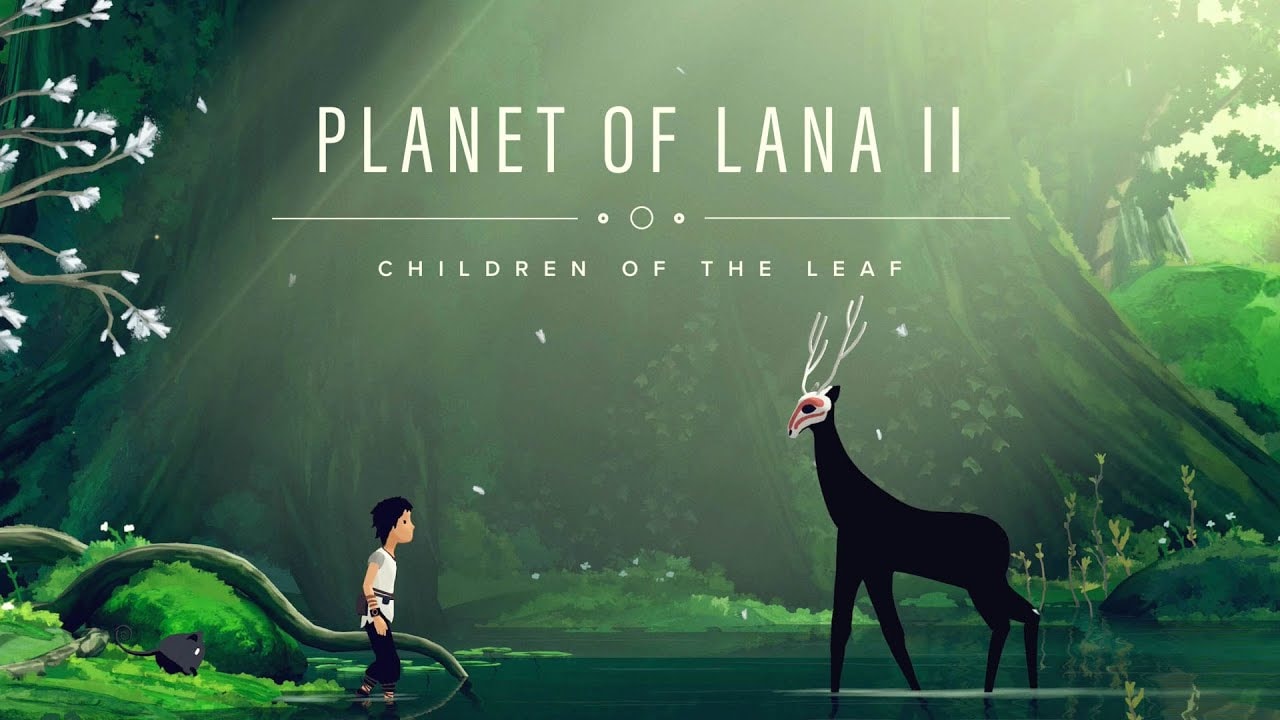
Fresh off the quiet strength of its predecessor, Planet of Lana II sticks close to what worked before. Instead of chasing new mechanics, it leans into mood - images that linger, notes that hum beneath the surface. Story pulls harder here, tugged forward by silence as much as sound. Visuals bloom in soft contrast, never shouting, always watching. Music slips between scenes like breath between words. What changes isn’t the shape of play, but how it feels to move through it.
One moment you're stepping into broken metal under gray moss, then the past creeps up - Lana moves slower now, eyes sharper. Her companion Mui pads beside her, fur streaked with age, silent where once it purred. This time, no sirens split the air; instead, quiet spreads through wreckage like roots through soil. Danger doesn’t roar down from clouds but whispers in footprints near shattered glass. You feel closer to the ground here, breath fogging cold stone, yet the unknown presses just behind each tree line. Answers slip away when reached for, even as familiar faces carry heavier scars. Not everything loud is dangerous. Some threats wait without moving.
One step at a time, the game moves forward just like the first one - same mix of climbing and puzzles in that flat-but-deep space. Not much new under the hood mechanically, yet it deepens the mood, pulls you into secrets slow and quiet. Two years have passed since everything shifted; Lana walks through cities altered by peace no one expected. Machines that once hunted people now stand still, waiting to work, handed over to human hands like hammers or cranes.
Few seasons pass before unrest returns. Southward moves a group skilled in strange tools - the Dijinghala - whose ways chip away at steady rhythms, shaking the ground beneath Lana’s kin.
Pacing drags right at the start, despite how brief everything feels. Two stories kick off fast - one gets almost all the time, even though it pulls less weight. A strange crystal leaks thick green fumes when the Dijinghala mess with it. That sickness hits Lana’s little sister hard - she adopted her years ago. Then comes the hunt: three rare things must come together to fix what the poison broke.
She begins the journey for one clear reason, yet that reason slowly fades into the background. Beautiful landscapes appear at every turn, still the mission behind them never grabs hold of anything real. Her connection to her sibling stays thin, so caring about their fate becomes a stretch. Instead of building meaning, the plot drifts along, waiting for moments that matter to finally show up.
The real mystery lies with the Dijinghala. Questions swirl around them. Who exactly are these people? The odd glowing crystals they pull from the ground - what kind of substance is that? It seems harmful, maybe even emitting unseen rays. Their roots remain unclear. A cloaked leader guides them, face hidden, motives unknown. Could their deep understanding of machines link back to those robotic intruders seen earlier? That idea lingers, unproven but hard to ignore.
Right off, the game nudges you with mysteries it won’t solve just yet. Moving ahead, Lana hunts for medicine, winding up in places worlds apart. One moment she's near sweltering jungle heat, watching Dijinghala dive into shipwrecks with tiny subs. Elsewhere, cold stone peaks host their mines - then thick woods swallow others whole. Each scene peels back a layer, quietly insisting there’s something bigger humming below. All along, the sense grows: another story pulses under what you see.
Fortunately, waiting pays off. Halfway through, things change pace - suddenly answers start arriving one after another. With every twist, tension grows stronger so progress feels earned. By the end, emotions run high; conclusions land well even while leaving room for more later on. A sharp moment closes it, quiet but charged, pointing toward what might come next.
What stands out in Planet of Lana II is how it tells its story. Much like the first game, nearly everything unfolds through made-up speech - players piece things together using gestures, expressions, and what they see on screen. Only at the start do real words appear, summarizing past events with subtitles. That choice takes away a bit of the mystery found before, yet helps clear up moments once unclear. After those few minutes pass, silence returns as the main voice.
Out of nowhere, the approach shines when handling tangled parts of the tale, sparking talk and different views. Still, a gap shows up between the two central threads. While one follows a clear path - the ill sibling - simple to follow even if words are lost, it somehow feels flat. On the flip side, Dijinghala’s journey stacks meaning like old bricks, inviting guesses, pulling interest deeper. That uneven weight shifts how each part lands.
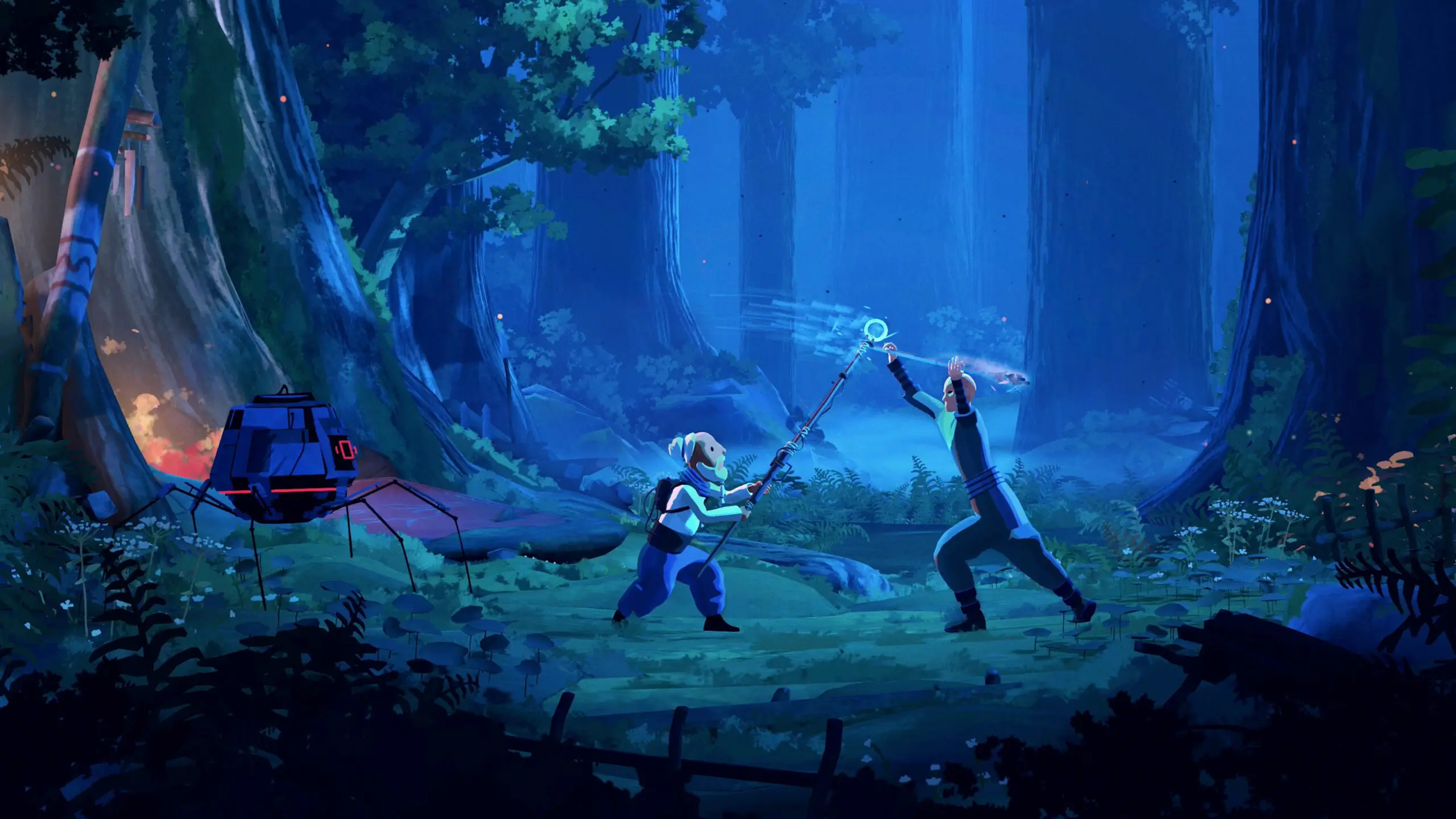
Puzzles shape much of what happens, built on jumping challenges plus how Lana and Mui work together. Swimming comes naturally to Lana, along with moving things and getting into select devices. Tight spots? That is where Mui shines, slipping through cracks others cannot touch. High ledges open up when Mui climbs, triggers get flipped, critters sometimes do exactly what they are told. Switches in the world respond to either one, depending on timing. Each ability fits somewhere, like pieces nudged into place.
Even though Mui still moves just like before, Lana can now dash forward, leap off walls, or slip through tight spots. Puzzles usually ask you to mix what each character does - like lifting Mui over gaps or sending Mui ahead to trigger doors for Lana.
Puzzles grow tougher as things move forward - sometimes extra steps appear, sometimes the clock gets shorter. Shorter clocks work better, turning big moments into something tense, urgent. But Lana’s quicker moves feel odd when you still have to halt just to give orders or manage secondary tasks. Not until near the end do challenges finally mix sharp timing with fast action across both characters - and that blend makes those parts shine brighter than anything before them.
Even though the puzzles work well, they hardly ever seem new. People who enjoyed games such as Inside or Little Nightmares might spot moves they’ve seen before. Then again, the way you move - particularly when jumping - feels a bit light, which could bother those unused to it.
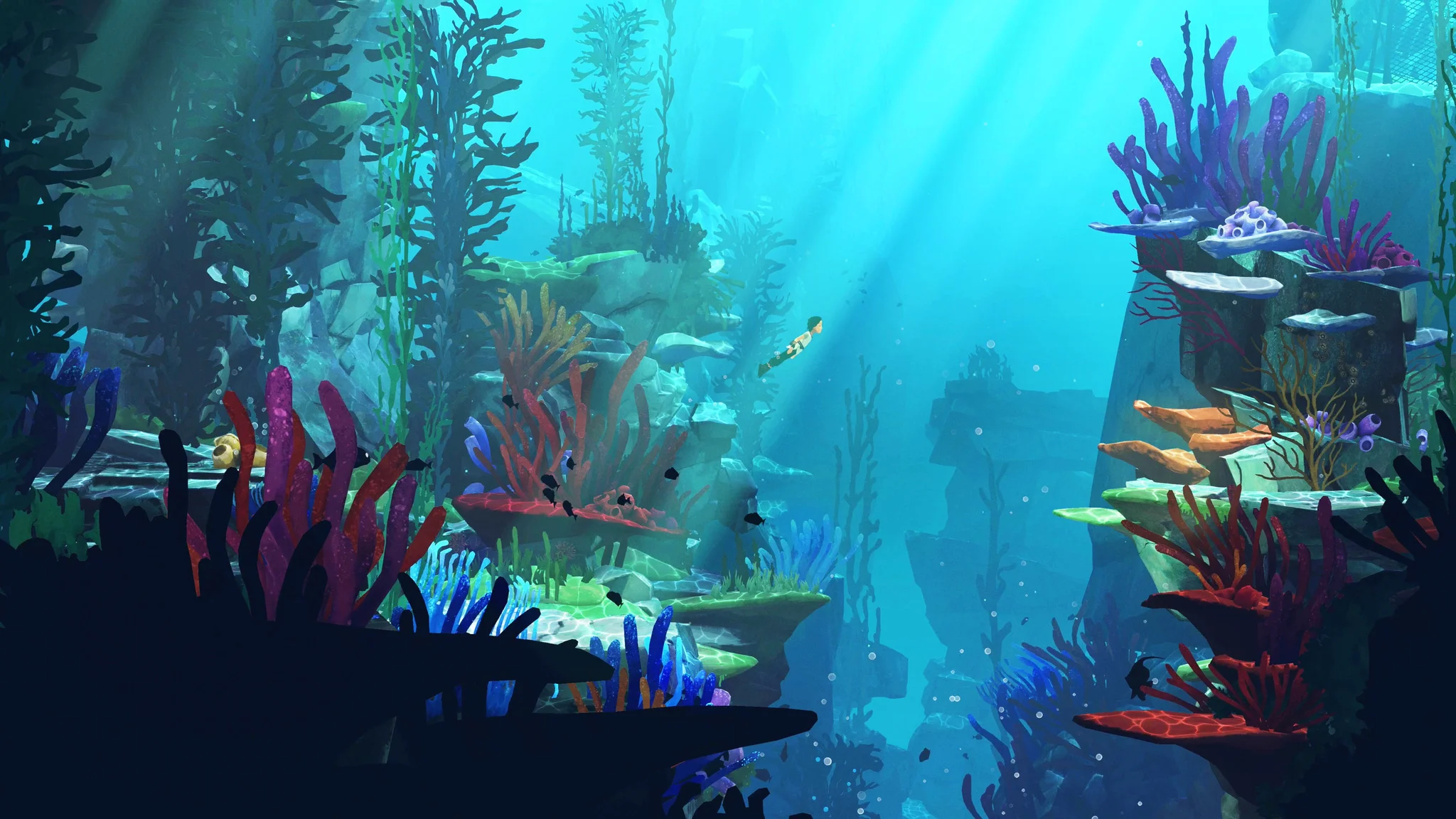
What stands out about Chapter 3 is how much time it spends under water. Right when players are ready to leave behind the repetitive tasks, it drags them into slower moments. The story begins to stretch thin just as interest peaks. Pacing stumbles instead of building momentum. Excitement fades where it should grow.
Every chapter in Planet of Lana II carries its own mood, shaped by how it looks, sounds, and challenges you. Not like the original - this one spreads wider in scenery, each area speaking to Lana differently. Whispers of green, earthy shades wrap around where she begins, grounding those early scenes in comfort. Later, Chapter 3 drowns everything in blue and purple, pressing down like a held breath. That shift matches tougher puzzles, tighter rules, a world less willing to bend.
It sticks in your mind, the way each place feels unique. Even weeks later, you can still picture every level clearly - how they looked, how they sounded. That kind of detail really shows when the story nears its end. Old themes come back then, remixed into new moments. When Lana moves through those last scenes, familiar problems return - but different. Colors shift slightly. The music changes just enough to point the way without words.
What stands out in Planet of Lana II: Children of the Leaf isn’t just how it looks, but how everything hums together - color pools into sound, mood builds quietly. Mystery threads through each scene, pulling interest forward even when answers stay hidden. Yet early on, things stumble; pacing drags under loose plot beats and puzzles that feel unsure of themselves. It takes time before clarity arrives. Only near the end does confidence fully return, delivering what the rest only hinted at - tight play, focused story, weight behind every choice made.

Discussion(0)