
The newest World of Warcraft expansion picks up exactly where The War Within leaves off, and Midnight’s main task is to carry that story forward and raise the stakes. It is the second chapter in a planned trilogy, and its success hinges more on how it develops the narrative than on flashy headline features. Midnight opens with the Sunwell on Quel’Danas once again under siege, this time by Xal’atath and the armies of the Void, and then layers a broad mix of old‑zone revamps, new regions, dungeons, and delves on top of that premise.
The War Within in 2024 had already marked a turning point in how World of Warcraft structures and presents its storytelling, moving toward a more focused, continuous narrative rather than disconnected plot arcs. Midnight continues this approach without trying to reinvent the wheel in terms of systems. Instead of one big gimmick that defines the expansion, it leans on a string of smaller new touches and the momentum of the overarching story. The one obvious “box feature” on the back, aside from more content in general, is the long‑awaited addition of player housing, but even that is framed as a side pillar, not the heart of the game.
From the very start, Midnight avoids a slow burn. You are quickly summoned by Lady Liadrin, the Blood Knight matriarch, as she attempts a last‑ditch effort to gather defenders against Xal’atath’s full‑scale assault on the Sunwell. Once you arrive on Quel’Danas, you are immediately thrown into frontline duties: coordinating with major commanders, culling Voidspawn, and escorting civilians out of the chaos. Those opening hours serve as an introduction to the main factions and threats in this chapter—the Void, hints that the Light itself might not be as pure as previously believed, and the warlike Amani Trolls. After this initial push, the campaign opens up and lets you choose between three story branches: venturing into Zul’Aman, diving into Harandar, or starting Arator’s Journey from Silvermoon.
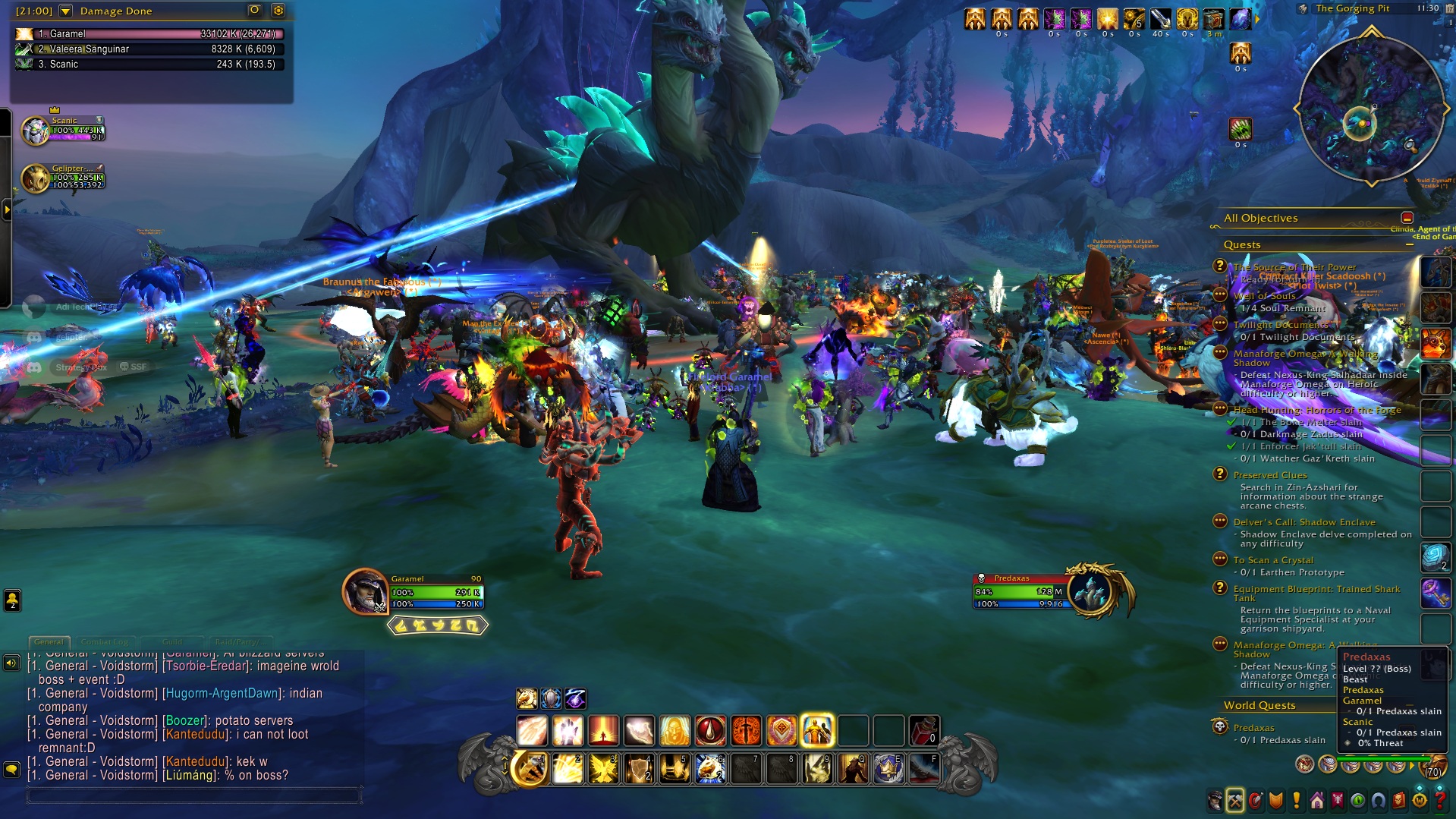
All three routes begin with strong setups. The Zul’Aman chain centers on the long, bitter conflict between the Blood Elves and the Amani, with the trolls trying to exact long‑delayed revenge while simultaneously contending with Void incursions into their homeland. Arator’s Journey, on the other hand, is a paladin‑driven storyline that follows Arator across Azeroth as he hunts down vital artifacts and reflects on what it means to wield the Light in the face of the Void. Harandar is positioned as the strangest of the trio, set in a subterranean realm where the Light might be mutating the local ecosystem in unexpected and disturbing ways. Eventually, all three narrative paths feed into the same endgame: the Voidstorm, a climactic arc where you eliminate Xal’atath’s key lieutenants and establish a forward base for the final confrontation.
The storytelling across these threads can vary in strength. Some segments are sharp and engaging, while others feel like they never quite reach their potential. The Zul’Aman arc is a standout, especially thanks to Zul’jarra, the new Amani leader, whose attempts to reconnect with the Loa and navigate centuries of bloodshed give the story weight and personality. In contrast, Harandar’s premise—questioning whether the Light can be as dangerous as the Void—is fascinating on paper, but the execution feels incomplete and familiar, especially to anyone who has seen similar themes explored more deeply in other MMOs. It comes across as a good idea that needed more time to fully land.
Throughout much of Midnight’s campaign, Arator effectively serves as the central protagonist. He is written as a foil to his father Turalyon, who seems increasingly rigid and uncompromising in his devotion to the Light. Thematically, this works well, but the way Arator is portrayed can feel inconsistent; despite canonically being well into middle age for his race, the story often treats him like a rookie still learning the basics of his own legacy. His arc revolves around wrestling with the example of legendary paladins and questioning inherited faith, while his mother, Alleria Windrunner, steps in later to tip the balance in the Voidstorm storyline. Her late arrival has impact, but some players may wish she played a more prominent role earlier in the expansion.
Even with its unevenness, Midnight succeeds at laying down strong hooks for what comes next in the Worldsoul Saga. The main questline gives clear signals that future patches and raids will expand on the consequences of the Voidstorm, as well as the future of the Amani, the state of Quel’Thalas, and the shifting relationship between the Void and the Light. The current campaign is deliberately not the final word; it is more of a foundation for later storytelling than a cleanly wrapped‑up standalone plot.
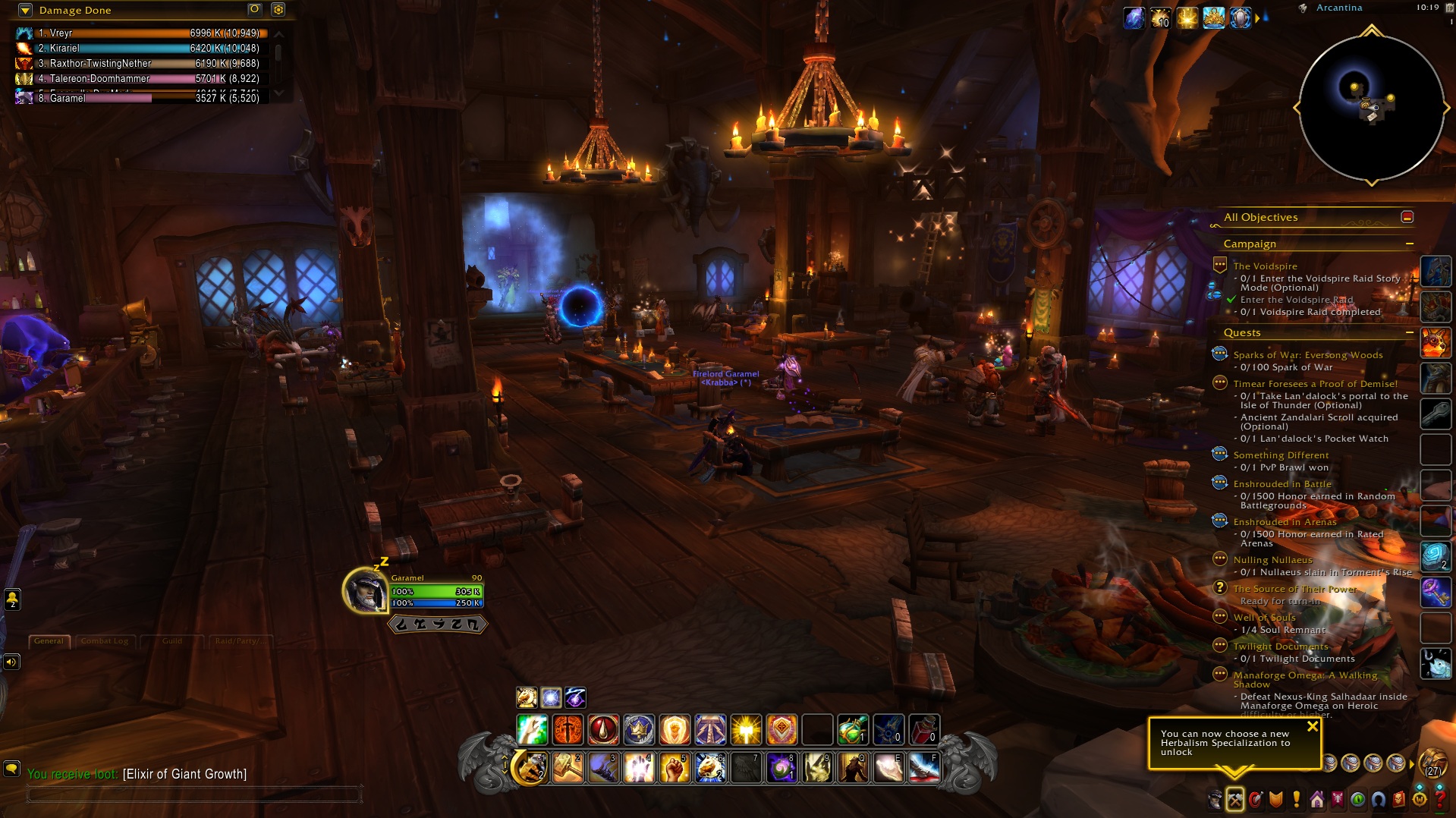
In terms of raw length, the central story arc is not particularly long. Many players will see the credits for the main campaign in roughly fifteen hours of focused play. However, Midnight is structured so that simply following the critical path is not enough to hit all the necessary level thresholds. After finishing the three initial branches, you are likely to end up around the mid‑80s, short of what you need to begin the Voidstorm portion. That means you will have to dive into side quests or repeatable content to bridge the gap. Even once the story is complete, you probably will not be at the new level cap of 90, leaving a stretch from the high 80s onward that you must fill using dungeons, delves, and world quests. This pacing is not inherently bad—it nudges you into optional arcs that flesh out how everyday people and minor characters respond to the looming catastrophe—but it is worth noting for players who want to rush straight to endgame.
Long‑time fans who have been around since The Burning Crusade will immediately recognize how much care has gone into revamping the classic Blood Elf areas. Eversong Woods and Ghostlands have effectively been stitched together into a single, more expansive zone, with the scars of the Scourge invasion now grown over, replaced by a more cohesive landscape that reflects the time that has passed. Zul’Aman—once an endgame raid and later a dungeon—has been transformed into a full questing zone, complete with its own story beats and exploration opportunities. Silvermoon City has arguably undergone the most dramatic change: the former “two corridors with key NPCs stuck along the edges” layout has been replaced with a design that feels like a living, breathing capital city. On a macro level, the entire northern slice of the Eastern Kingdoms has been reshaped into one continuous landmass that players can fly over without frequent transitions.
The genuinely new zones, Harandar and the Voidstorm, serve as the main fresh destinations but do not always hit the same highs. Harandar, an underground region at the point where the roots of all World Trees entwine, is meant to be a lush, organic environment, yet much of its visual identity leans on fairly flat green and brown tones without the contrast of a dramatic skybox. The result is a zone that can come across as visually monotonous despite its fantasy concept. The Voidstorm, dominated by dark blues and purples, runs the risk of feeling similarly one‑note in terms of color palette, but its role as the focal point of the campaign’s climactic military push gives it more inherent energy. Unfortunately, both zones feel somewhat disconnected from the rest of Azeroth because they rely on portals rather than natural transitions or flight paths for access, which also makes them seem smaller and more isolated than they actually are.
On the class side, Demon Hunters receive the most dramatic update with the introduction of a brand‑new specialization: the Devourer. This spec is built around the Void themes of Midnight, reskinning abilities to look and feel more tightly tied to that cosmic force. The Devourer also comes with its own Hero Talent tree, Annihilator, aimed at amplifying its damage output and leaning into an aggressive, spell‑centric playstyle. Interestingly, the old Fel‑Scarred Hero tree has been renamed Void‑Scarred and given visual updates to match the new Void aesthetic. A key mechanical twist is that Devourer is centered on mid‑range spellcasting rather than the melee focus Demon Hunters are known for, and it uses Intellect instead of Agility as its primary stat. That stat swap can be jarring for veteran Demon Hunters, since it forces them to farm an entirely different set of accessories and gear pieces if they want to swap to the new spec on an established character.
In practice, Devourer plays fast and fluid, keeping the high‑tempo feel of the class while changing the spacing and rhythm of combat. Balance is still a moving target—especially early in an expansion’s lifecycle when tuning passes are frequent—and the spec can feel a bit underpowered compared to some alternatives in the first weeks. Raid releases and more patches will ultimately determine where it lands in the overall meta. For other classes, core gameplay loops remain mostly intact. Demonology Warlocks have lost a few tools, such as sacrificing imps for Demon Cores, while Fury Warriors continue to deliver the same rapid‑fire, high‑energy rotation they are known for. Many of the new Hero Talent nodes simply translate into incremental damage bumps or stat bonuses, but the extra capstone node at the end of the tree offers surprisingly significant boosts to each spec’s signature abilities. Across multiple dungeon runs while leveling, overall class balance does not feel wildly out of step, with tanks, healers, and DPS all in serviceable positions for this early stage. Anecdotally, some specs—Rogues in particular—seem less visible in day‑to‑day play, but nothing feels outright unplayable.
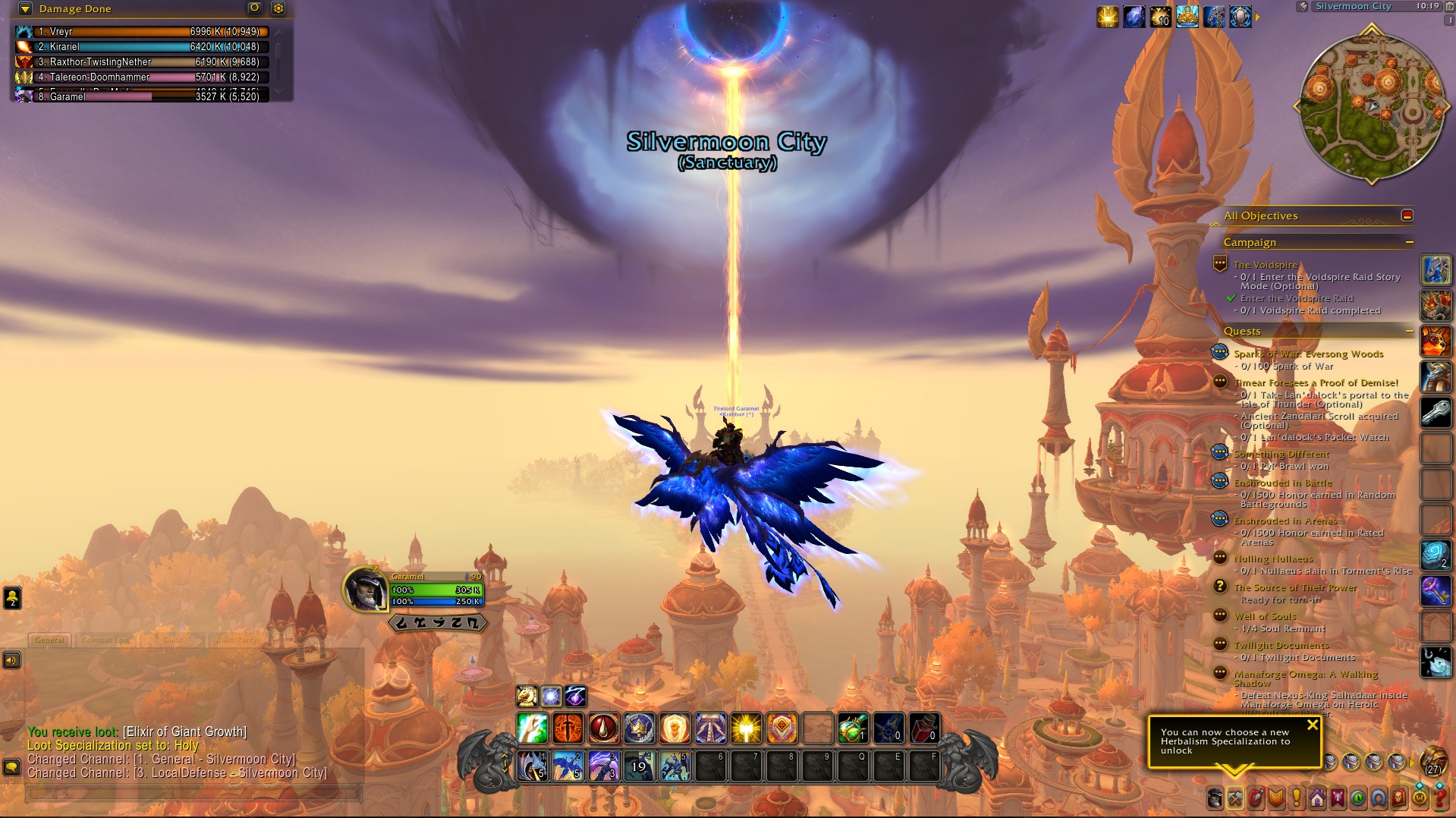
One of the biggest structural changes in Midnight has nothing to do with zones or specs, but with how the game handles UI customization and combat information. For years, World of Warcraft’s endgame was effectively designed around powerful third‑party addons that delivered oversized warnings, timers, and visual cues for boss abilities. Addons like WeakAuras and Deadly Boss Mods turned complicated mechanics into clear on‑screen instructions, and encounter designers responded by making fights more demanding to compensate. Midnight marks a firm shift in philosophy: Blizzard has severely curtailed what combat addons can do and has brought many readability and accessibility features into the base UI. Boss fights and dungeons now rely more on in‑game telegraphs, animation clarity, and native alerts, forcing players to actively read encounters rather than waiting for a mod to tell them exactly where to stand. This in turn requires the developers to be far more deliberate about how enemy attacks are communicated, but it also reduces the feeling that external tools are mandatory for high‑end content.

Discussion(0)