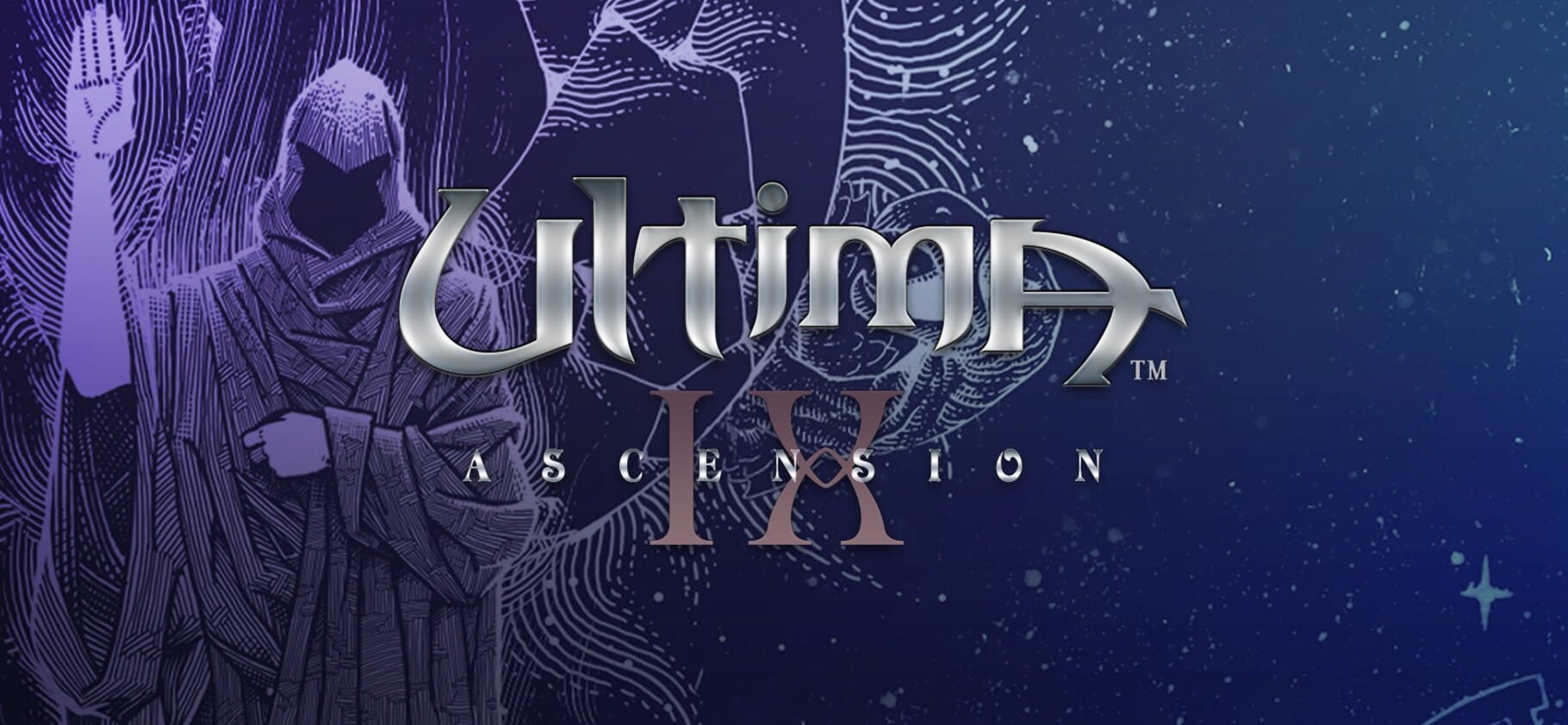
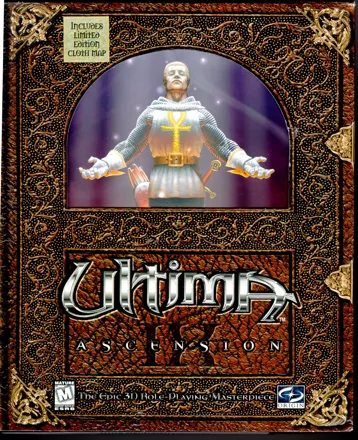
Ultima IX: Ascension
by Origin Systems·published by Electronic Arts
Reader score
7.2/ 10
106 votes
Where to get it
Community
Trailer
Gallery
51Screenshots
Key art
About
For the last time, the Avatar is being summoned to free Britannia from Guardian's curse. The eight Shrines of Virtues, the pride of Britannia, have been all desecrated by this evil and mysterious creature. The glyphs which protected them have been taken, and put into huge columns the Guardian built in Britannia, with their entrances hidden deep in dangerous dungeons. As a result, the people of Britannia have lost their virtues. The Avatar must now cleanse the shrines and let the virtues return to the people. His task becomes particularly difficult because he cannot trust the people he encounters any more. With the help of a few allies, the Avatar will have to help the inhabitants of Britannia, and learn about the true origin of the Guardian.
Ultima IX: Ascension is the last single-player installment of the Ultima series, and the conclusion of its overarching story. The game still contains role-playing elements such as the series' traditional character creation based on ethically ambiguous questions, a quest-based structure (including side quests), a large world to explore, heavy inventory management, financial system, as well as weapon and armor customization. However, the game has no experience points system; the protagonist's basic attributes are increased only after completing certain storyline events.
Similarly to the previous installment, the combat in the game is action-oriented, and the protagonist has no companions that would help him in battles. The Avatar can use melee and ranged weapons (bows) or magic spells to dispose of his foes. The puzzle-oriented structure of the dungeons further emphasizes the game's tendency towards action-adventure gameplay not dissimilar to Zelda games.
The game features support for EAX sound and a fully 3D world with an almost unrestricted freedom of movement: in addition to climbing and jumping, which the Avatar has "learned" in the previous game, he can also swim and dive; some well-hidden locations can only be accessed in this way. The physical interactivity with the game world has been preserved; almost every object can be moved from place to place or taken into the Avatar's inventory.
Ways to play
Modes
Perspective
Languages
1 languages, with audio, subtitles and interface
| Language | audio | subtitles | interface |
|---|---|---|---|
| English | — |
Game details
Business Model
Commercial
Supported Systems/Models
x86 (32-bit)
Drivers/APIs Supported
Direct3D, Glide, OpenGL
Media Type
CD-ROM, Download
Sound Capabilities
Dolby Surround, EAX
Input Devices Supported/Optional
Keyboard, Mouse
Additional Hardware Required
3D Accelerator
Number of Offline Players
1 Player
GOG.com
Single-player
System requirements
Min. CPU Class Required
Intel Pentium II
Min. OS Class Required
Windows 95
Min. RAM Required
128 MB
Min. DirectX Version Required
DirectX 7.0
Min. CD-ROM Drive Speed Required
8X (1.2 MB/s)
Min. Video Memory Required
8 MB
Video Modes Supported
Full screen
Video Resolutions Supported
640×480, 800×600
Box art
Also known as
Ultima 9 — Informal title
Ultima 9: Ascension — GOG.com store page title
Ultima: Ascension — Working title
Reader ratings
Rate this game
Nobody has rated this yet.
Facts
Developer
Publisher
Released
26 November 1999
Series
UltimaPlatforms
Age ratings
Standing
Top 24% by visits