Ms. Pac-Man
by General Computer Corporation (GCC)·published by Bally Midway, Atarisoft, Namco Hometek
Reader score
7.1/ 10
364 votes
How long to beat
only 1 report1h
Rushed
main story only
1h
Normally
story and some extras
1h
Completionist
everything in it
Where to get it
Trailer
Gallery
3About
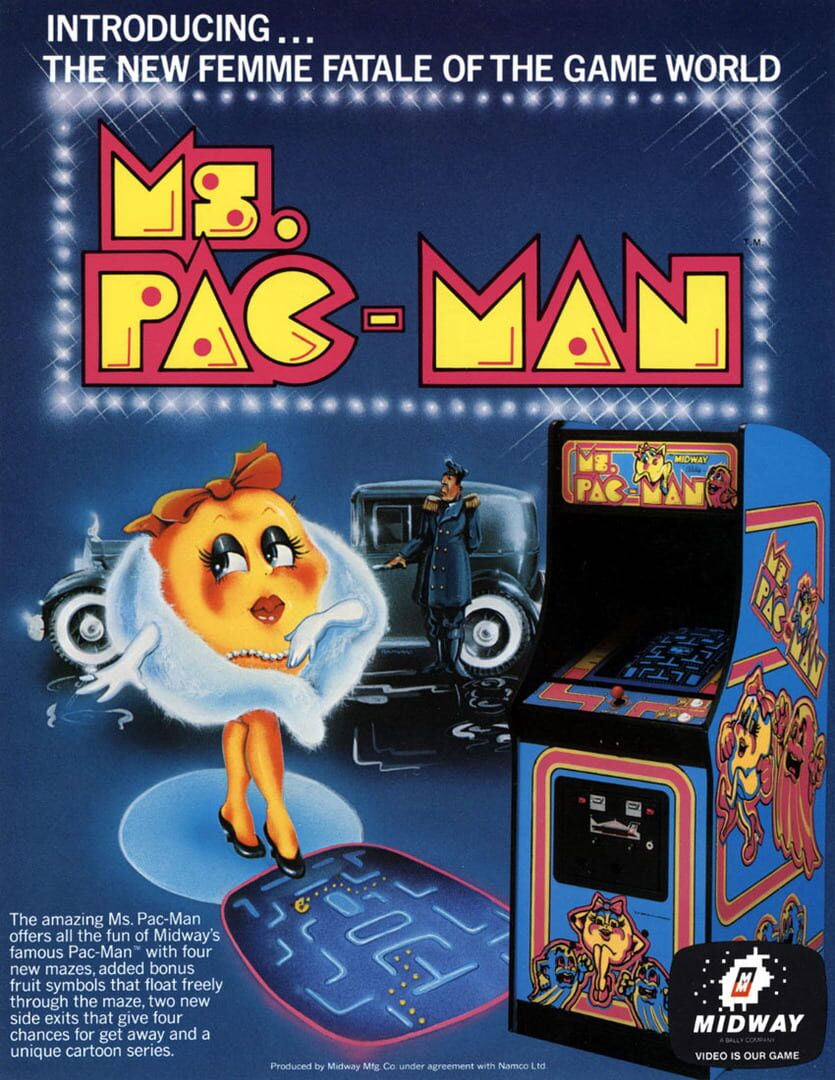
Ms. Pac-Man is a single-player maze-chase game. Set in a series of interconnected neon mazes, the player guides Ms. Pac-Man as she eats dots and bonus fruit while being pursued by four ghosts. A round ends when all dots are cleared, and a life is lost if any ghost touches Ms. Pac-Man. Play proceeds through a sequence of stages that rotate between distinct maze layouts, with brief comedic intermissions that show Ms. Pac-Man’s relationship with Pac-Man and the appearance of Junior.
Core play centers on navigating corridors efficiently, managing risk around corners, and using the maze’s side tunnels to outmaneuver the pursuing ghosts. Four large Energizers are positioned near the corners of each maze. Eating an Energizer temporarily turns the ghosts blue, allowing Ms. Pac-Man to eat them for points in a set progression of 200, 400, 800, and 1,600. The blue-time shortens as stages advance, and later rounds reduce or remove the vulnerability window.
Compared to its predecessor, Pac-Man, Ms. Pac-Man features four different maze designs that appear across the game’s stage order. Maze geometry affects route planning, with changes in corridor width, dead-ends, and tunnel placement. Side tunnels can alter ghost speed, and their placement varies by layout, so a safe escape on one maze might be unsafe on another.
Ghost behavior mixes pursuit and dispersal periods with movement that is less predictable than in the earlier game. The four ghosts retain individual identities: Blinky, Pinky, Inky, and Sue, with Sue replacing Clyde. Their paths can diverge based on player position, timing, and maze configuration, which encourages improvisation rather than relying on fixed patterns.
Bonus fruit differ from the earlier static items. A single fruit enters mid-round from a side tunnel, moves along corridors, and exits if not collected. Fruit types change as the game progresses and grant increasing point values.
Secondary options include alternating two-player mode, adjustable bonus-life thresholds in some versions, and increasing difficulty across rounds as ghost speed rises and Energizer effects diminish. The intermission scenes occur between specific stages, and the stage sequence cycles the four maze layouts as the difficulty escalates.
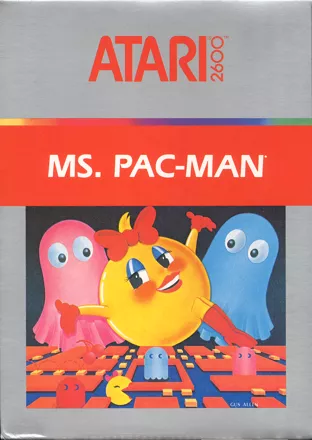
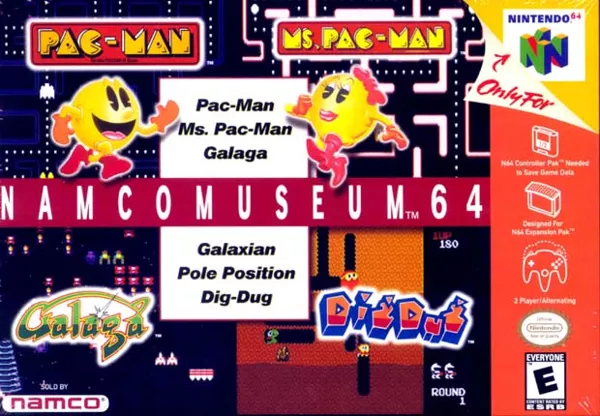
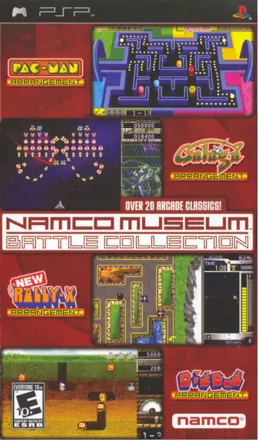
Over the years, Ms. Pac-Man has been released on numerous platforms, each with small variations. The original arcade game featured four distinct maze layouts, but some early home conversions, such as the Atari 2600 and 5200 ports, simplified the mazes, reduced color detail, or limited the number of layouts due to hardware constraints. The Sega Genesis and Super Nintendo versions retained multiple mazes and added cooperative or competitive two-player modes. Later compilations and digital re-releases, including Arcade Game Series: Ms. Pac-Man, preserved the arcade layouts while offering features like persistent high score saving, display options, and improved sound fidelity. Portable versions, such as those on Game Boy and Game Gear, often redesigned or rescaled the mazes to fit smaller screens, while mobile phone editions introduced touch controls. Despite these differences, the core mechanics have remained consistent across all adaptations.
Ways to play
Modes
Perspective
Players
2 offline
Expanded into
Mods
Included in
Ported as
Remastered as
Languages
1 languages, with audio, subtitles and interface
| Language | audio | subtitles | interface |
|---|---|---|---|
| English | — | — |
Game details
Business Model
Commercial
Media Type
Download
Steam
Achievements, Leaderboards, Steam account required
System requirements
Min. OS Class Required
Windows 7
Min. RAM Required
2 GB
Min. DirectX Version Required
DirectX 9.0c
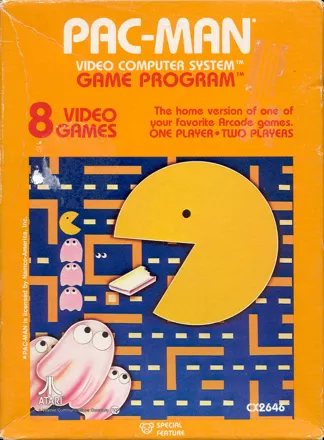
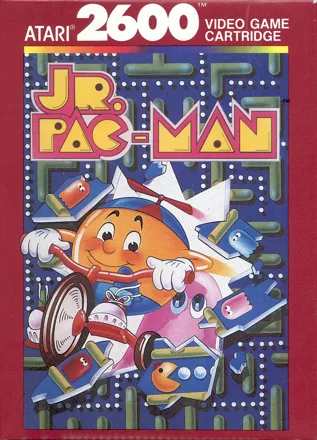
Box art
Also known as
Arcade Game Series: Ms. Pac-Man — Steam release
Crazy Otto — Working title
Miss Pac-Man — Working title
Mrs. Pac-Man — Working title
Pac-Woman — Working title
Super Pac-Man — Working title
Reader ratings
Rate this game
Nobody has rated this yet.
Facts
Developer
Publisher
Ported by
Released
3 February 1982
Series
Pac-ManPlatforms
Age ratings
Standing
Top 10% by visits