Where to get it
Trailer
Gallery
25Screenshots
Key art
About
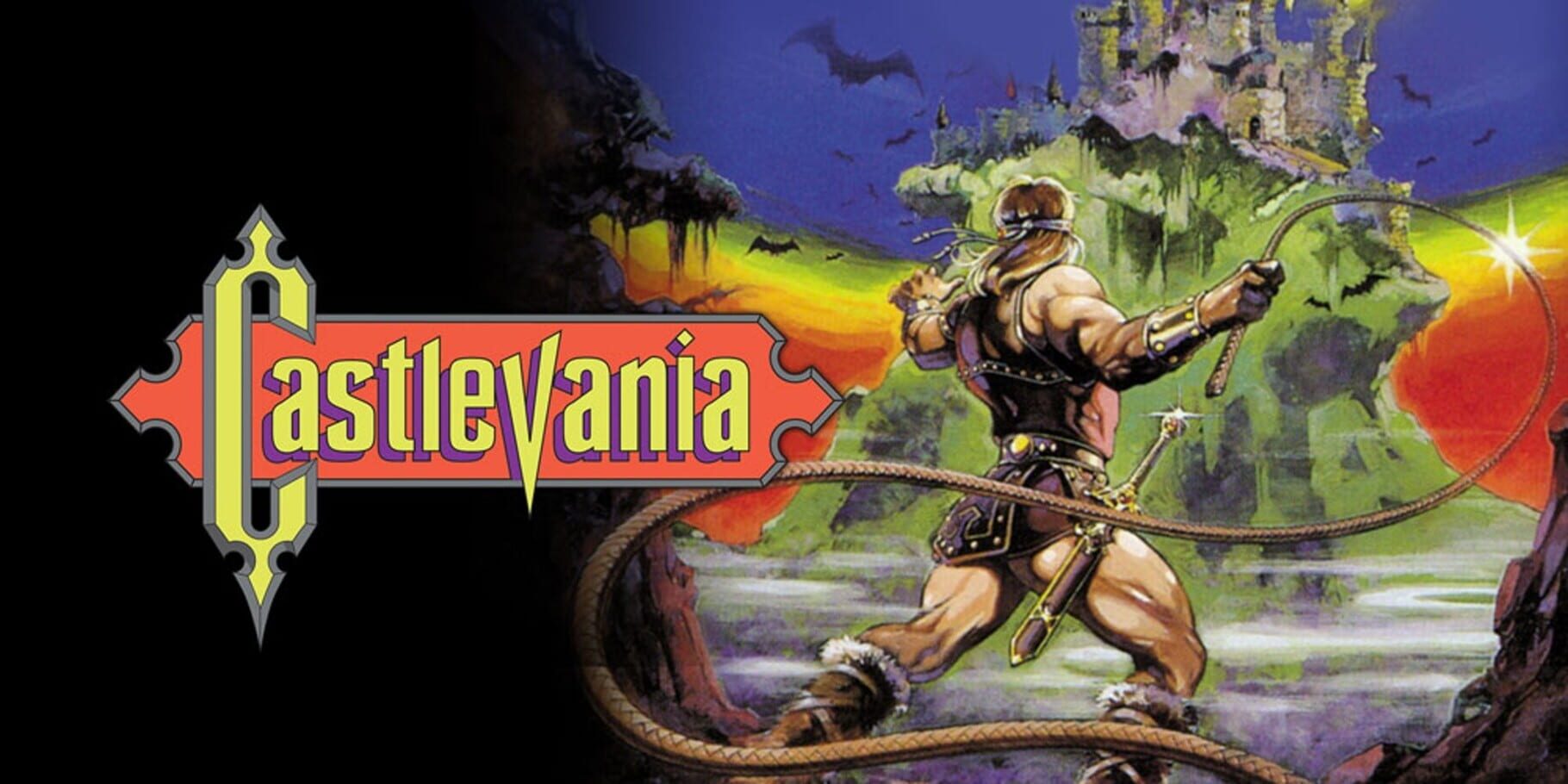
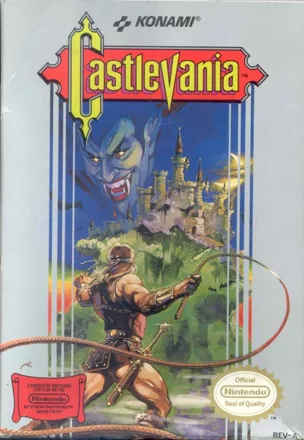
Castlevania is a single-player side-scrolling action platform game. Every hundred years, Count Dracula returns to terrorize the land. Simon Belmont, heir to a famed line of vampire hunters, enters the Count’s sprawling castle to break the curse and end the rampage. The fortress is a maze of halls, towers, catacombs, and clockworks filled with classic monsters and traps that guard the path to Dracula’s throne room.
Players guide Simon through a sequence of themed stages, each concluding with a boss encounter. Movement emphasizes deliberate timing: jumps follow a fixed arc, stairs must be climbed to change vertical levels, and enemy hits cause knockback that can send Simon into pits or hazards. A visible timer limits each stage, and losing all health, falling, or running out of time costs a life. Checkpoints occur within stages, and limited continues allow progress to resume from the start of a section.
Simon’s primary weapon is the Vampire Killer whip, which strikes straight ahead. Hitting certain candles and lanterns drops upgrades that extend the whip’s length and power. Secondary “sub-weapons” expand combat options and consume hearts as ammunition. These include the dagger, axe, holy water, stopwatch, and a returning boomerang-style cross. Sub-weapons are switched by picking up a new one, encouraging players to choose tools that fit the next room’s enemies and layouts.
Resource and item management underpin the action. Hearts, earned from candles and enemies, fuel sub-weapon use but do not restore health. Roast meat hidden in breakable walls replenishes vitality. Additional pickups provide temporary enhancements such as the Double Shot and Triple Shot, which let Simon throw multiple sub-weapons in quick succession, and invincibility or increased points. Extra lives are awarded at score thresholds or by rare 1-Up items, while stage-specific hazards, such as moving platforms, collapsing bridges, and fire traps, test precision.
The game’s structure is linear, with a fixed sequence of areas that escalate in difficulty, although secrets and optional breakable walls reward exploration with healing items, hearts, or score bonuses. Enemy types vary by behavior and vulnerability. Each stage culminates in a boss patterned after horror archetypes.
Castlevania has appeared on multiple platforms and services. Home releases retain the core progression and mechanics, while some versions adjust difficulty or content. An arcade adaptation, VS. Castlevania, modifies enemy placements and stage balance for shorter, tougher sessions. Later compilations and downloads preserve the original play while adding conveniences such as suspend or save features outside the game’s native design.
Ways to play
Modes
Perspective
Mods
Included in
Ported as
Remade as
Languages
2 languages, with audio, subtitles and interface
| Language | audio | subtitles | interface |
|---|---|---|---|
| English | — | — | |
| Japanese | — | — |
Game details
Business Model
Commercial
Media Type
3.5" Floppy Disk, 5.25" Floppy Disk
Input Devices Supported/Optional
Keyboard
Controller Types Supported
Analog Joystick
Number of Offline Players
1 Player
System requirements
Min. CPU Class Required
Intel 8088 / 8086
Min. OS Class Required
PC/MS-DOS 2.0
Min. RAM Required
384 KB
Video Modes Supported
CGA, EGA, Hercules, Tandy / PCjr
Sound Devices Supported
Adlib, PC Speaker, Tandy / PCjr
Box art
Also known as
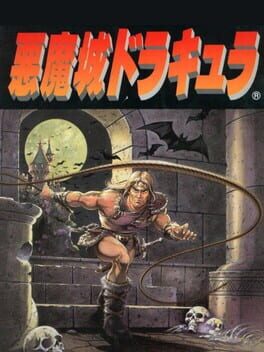
Akumajō Dracula — Japanese title
Arcade Archives: Vs. Castlevania — Nintendo Switch / PS4 title
Castle Vania — Brazilian CCE's Top Game title
Vs. Castlevania — Arcade title
Reader ratings
Rate this game
Nobody has rated this yet.
Facts
Developer
Released
26 September 1986
Series
CastlevaniaPlatforms
Age ratings
Standing
Top 6% by visits