
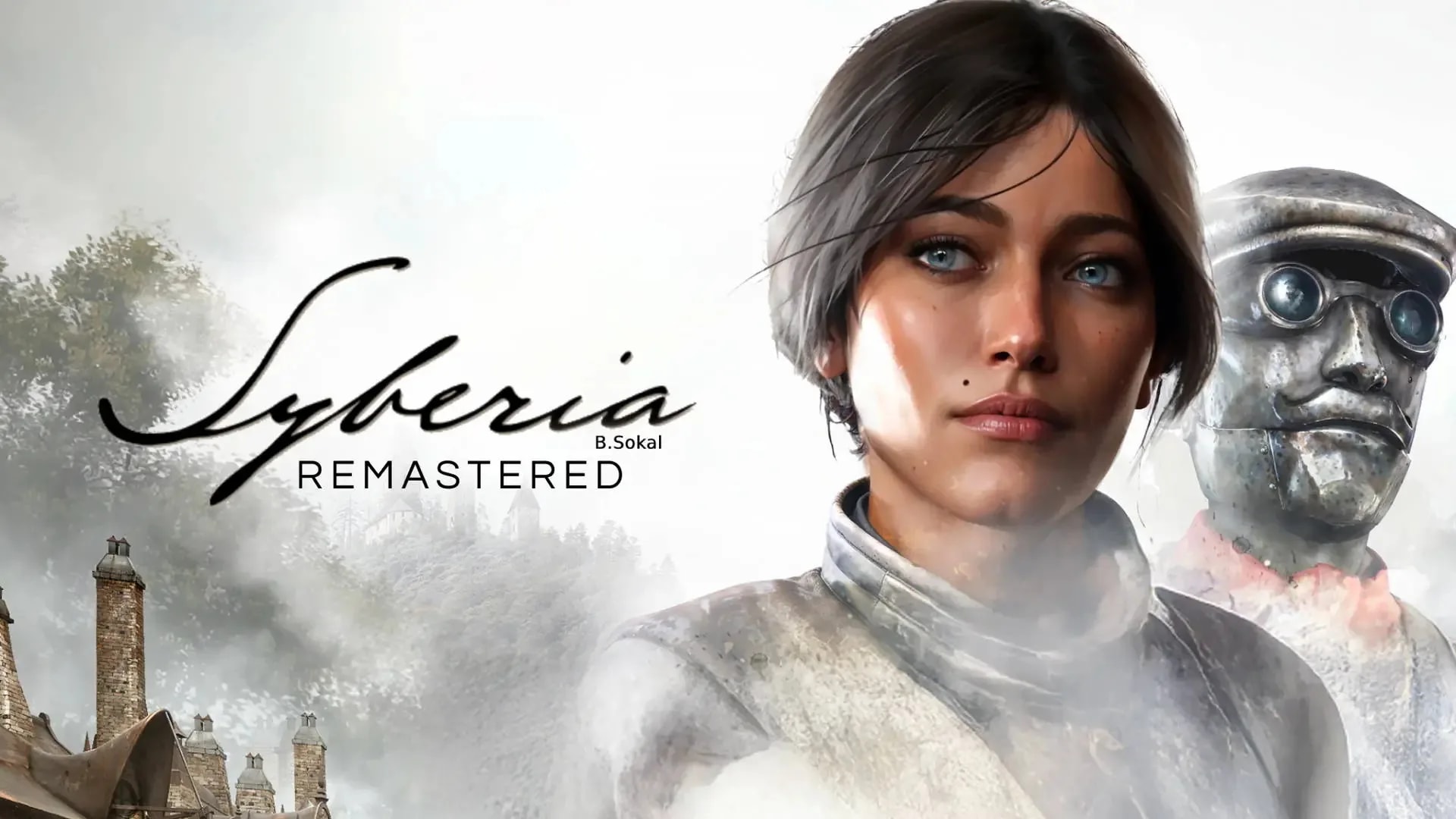
As a longtime fan of point-and-click adventures, raised on classics like Monkey Island and Broken Sword, Syberia has always attracted me with its steampunk charm and story. After being pleasantly surprised by the Amerzone remaster, I decided to wait for the Syberia remaster to see if the new version could refresh this 2002 classic.
I played the game on Xbox Series S, and although I noticed a few bugs at first – such as objects that couldn't be interacted with and issues with the quest log – all of that was fortunately fixed by a patch just before the official release. After an eight-hour slow but convincing journey through French villages, snowy wastes, and the mysteries of automatons, the conclusion is clear: the remaster successfully kept the spirit of the original, but failed to fully recreate that adventurous energy that once graced the game.
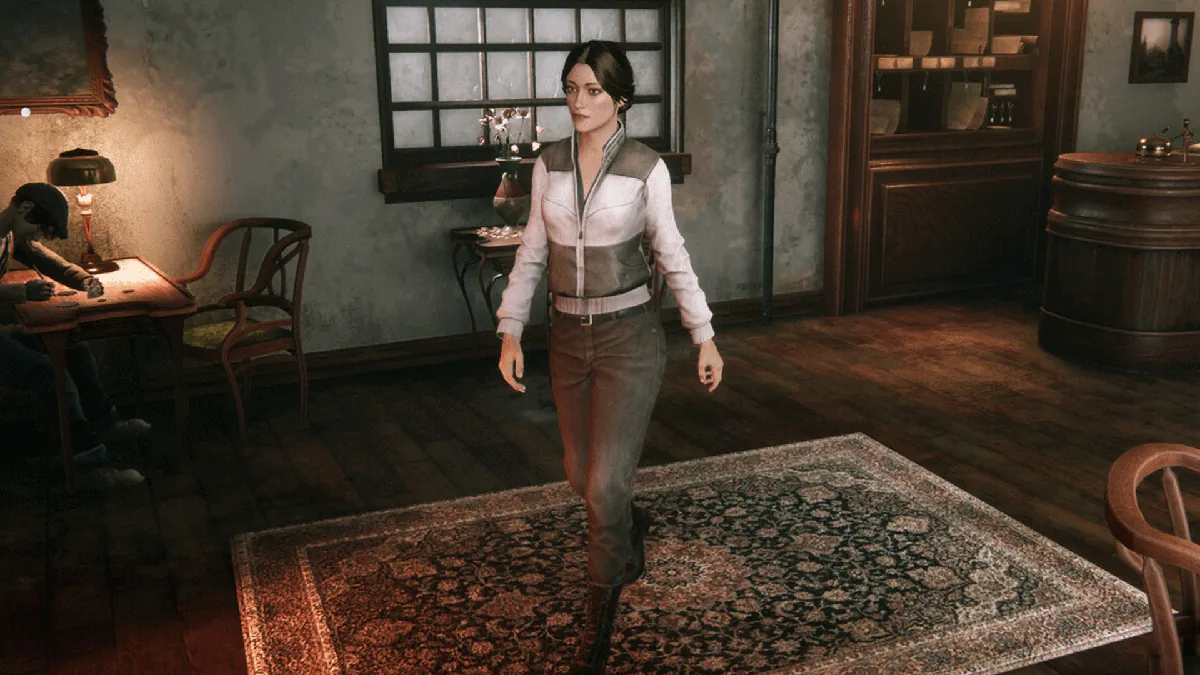
The journey of Kate Walker
The plot begins in Val d’Adige, a small French village where I take on the role of Kate Walker, an ambitious American lawyer sent to finalize the purchase of an automaton factory for Universal Toy Company. The owner, Anna Voralberg, has passed away, but her brother Hans – an autistic genius obsessed with mammoths – is still alive somewhere far to the east. With the help of the stiff automaton Oscar (and his wind-up train!), Kate sets off in search of his signature, passing through university towns, baroque settlements, and the snowy landscapes of Syberia.
Sounds epic, doesn't it? Yet, the playing experience feels more like a light walk. The plot is often interrupted by phone calls from her mother, friend, and fiancé, who are all irritatingly caricatured, and there is actually very little real conflict in the story. Kate changes before my eyes – from a careerist she becomes an adventurer who leaves everything behind – but the ending feels like an anticlimax. There is no big showdown, just a quiet resolution. There is a clear parallel with Amerzone (a young professional follows the footsteps of an old genius while maintaining a fantastic vehicle), but here that "pulp" adventure note is missing.
The locations are uneven: the first part of the game in the foggy village and empty university lasts a long time, while the later parts are rushed through. Although I love how the world feels alive through diaries and conversations with NPCs, too much remains unexplored – like the ruined city around the university that is never mentioned. The story is introspective, but for someone looking for action, perhaps too quiet.
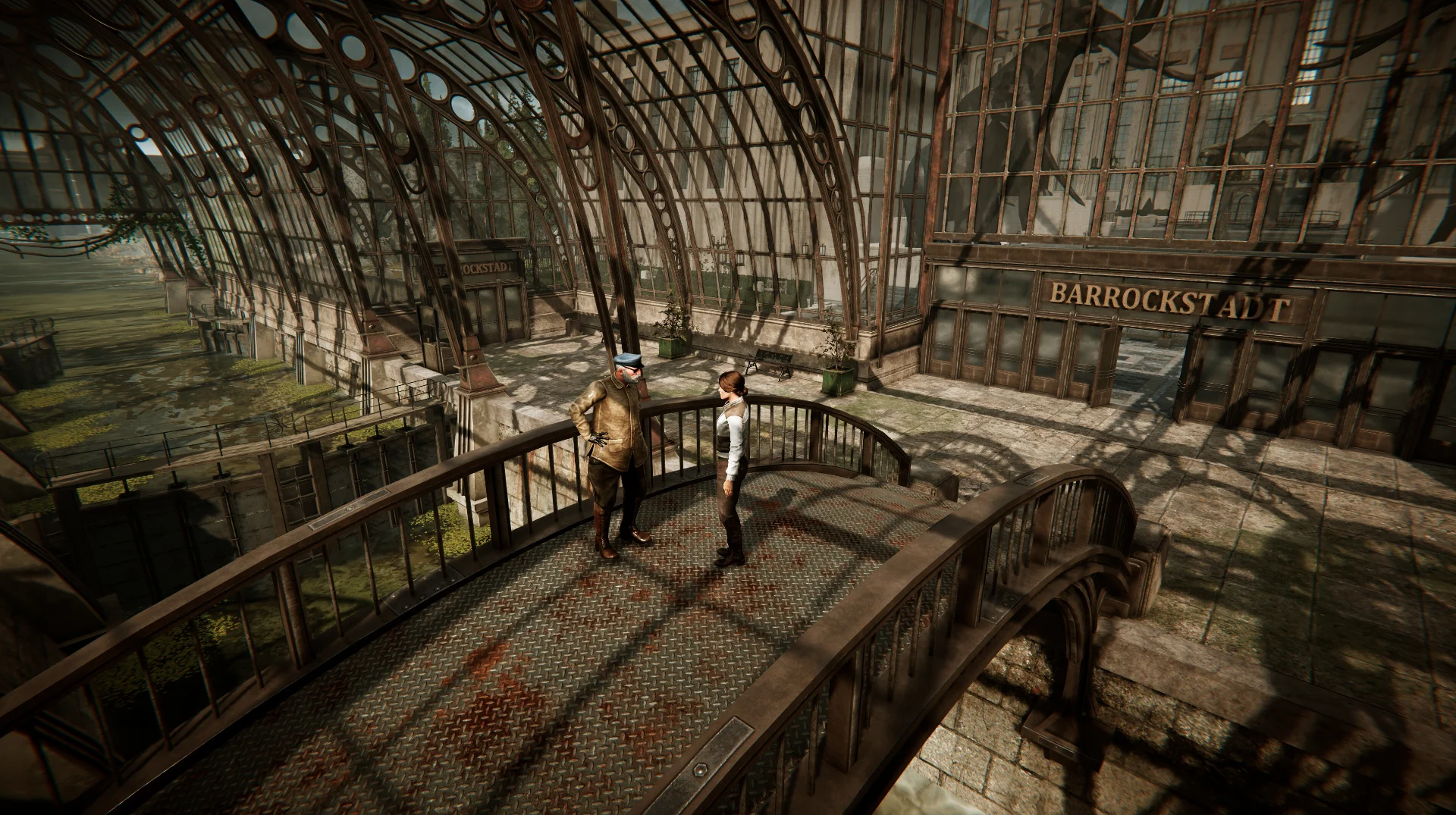
Visual upgrades and technical flaws
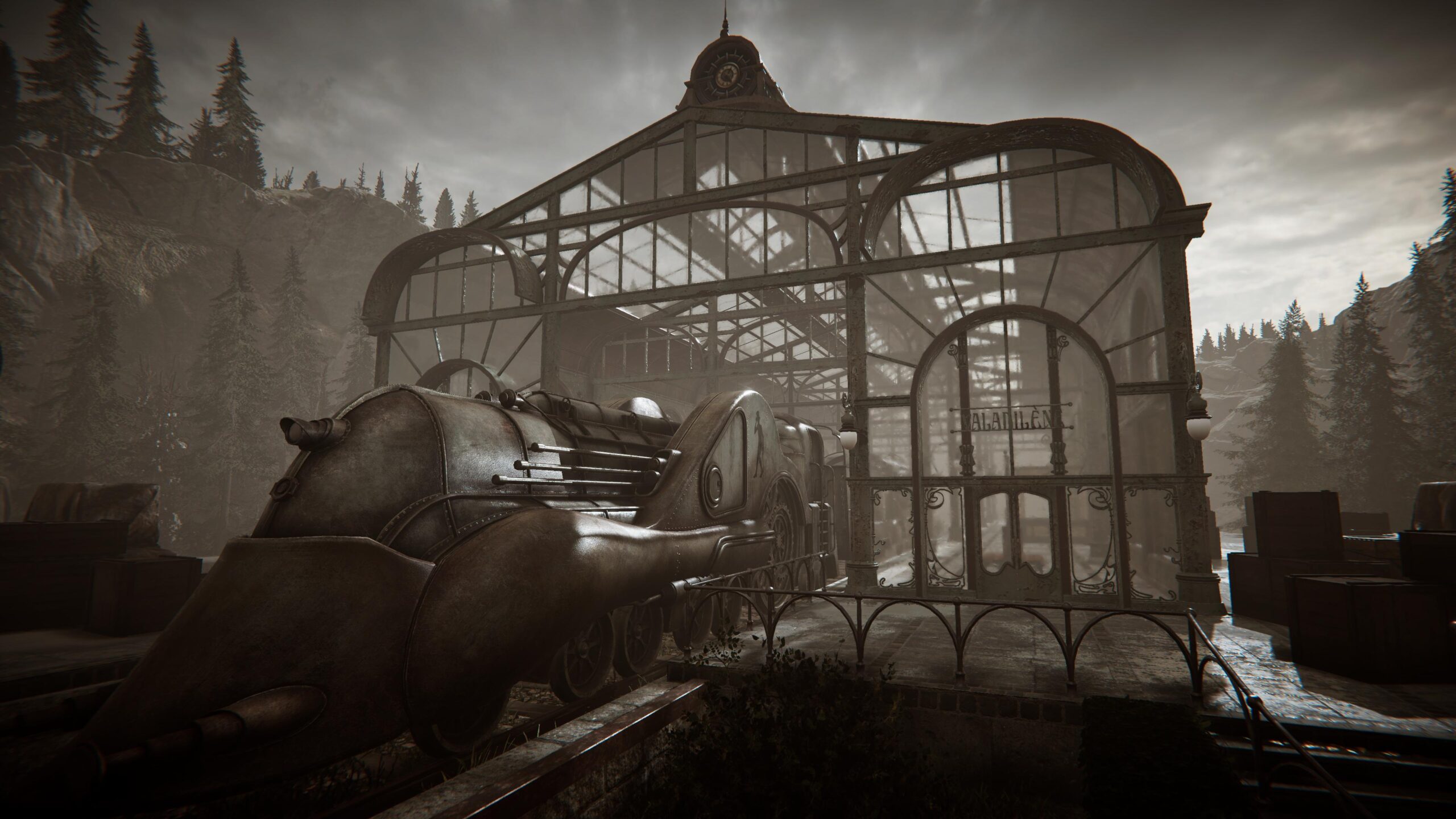
The biggest change is visual. Instead of clicking on static, 3D rendered screens, I now move with the left stick through a fluid 3D environment. The camera adjusts to the original shots, so screenshots look like they are from fans' memories – perfect for nostalgia. Natural landscapes, like snowy wastes and rivers, look beautiful with dynamic lighting and fog that builds the atmosphere.
However, when you zoom in closer, the flaws are visible: blurry textures and low-poly models that remind me more of the PS3 era than 2025. The open area of Val d’Adige looks like the old assets were just scaled to a higher resolution, and the pre-rendered cutscenes were left UNTOUCHED. It is quite uncomfortable to watch a low-resolution train (like from the PS2) leaving a blurry location with unrecognizable NPCs. The colors are generally dull and gray; realistic, but without the liveliness of the original.
Controls have been improved and are now a hybrid of point-and-click and direct control. Still, walking is slow, resulting in a lot of running through empty spaces. On PS5, the game runs at a smooth 60 FPS, with no bugs after the patch (earlier I was getting stuck on invisible objects). The interface is clean, the quest log helps, but backtracking (returning to old locations) is painful – I often solve a puzzle in my head long before Kate physically reaches the place of action. Small things like new items and reworked puzzles have been added (only 2-3, nothing revolutionary), so it all feels more like an aesthetic procedure (facelift) rather than a complete renewal.
Puzzles and backtracking
Puzzles are the core of this genre. In Syberia, they are logical, but there are too few of them and solving them takes too long. Examples include hunting for grapes to scare birds off a ladder, getting a visa, or repairing an automaton using keys and gears. Most come down to backtracking – running between locations while the brain already knows the solution. I was particularly frustrated at the university: I searched for mammoth teeth in the corridors just to put them in a machine – cleverly imagined, but it required 10 minutes of sheer walking.
The remaster adds layering through more interactive objects (e.g., more ways to reach an item), but there is nothing that represents a real challenge. There is no hint system (except for the quest log), which is a plus for purists, but can be tiring for casual players. The later puzzles with the train are the best – managing wheels, fuel, and Oscar gives the feeling of maintaining a living being. Still, overall it feels sparse; I wanted more collectible items or bonus puzzles like in Amerzone to fill the gaps.
Audio and atmosphere
The sound is what holds everything together. The voices are original; Kate is restrained and serious amidst a parade of eccentrics (the rectors at the university sound like characters from the movie Labyrinth – funny, but the sound is a bit "tinny"). The dialogues are witty, with a dose of self-irony.
The music is a masterpiece. Nicholas Varley and Dimitri Bodiansky bring one theme for each location – elegant, unobtrusive, and full of intrigue. The university theme pushed me to explore, and the snowy one made me shiver with cold. Without the music, the game would be dry; with it, it is magical. Sound effects are top-notch: clicks of gears, the sound of wind and birds.
Syberia: The Remastered is like an old book with a new cover – beautiful at first glance, but the content remains slow and predictable. It "bought" me with its atmosphere and music and made me continue with the series, but it did not reach the level of Amerzone. If you like slow-burn adventures and steampunk, get on board. If you are looking for fast action, skip it. Kate reminded me why I love this genre, but honestly – I wanted more mammoths and less walking.

Discussion(0)