
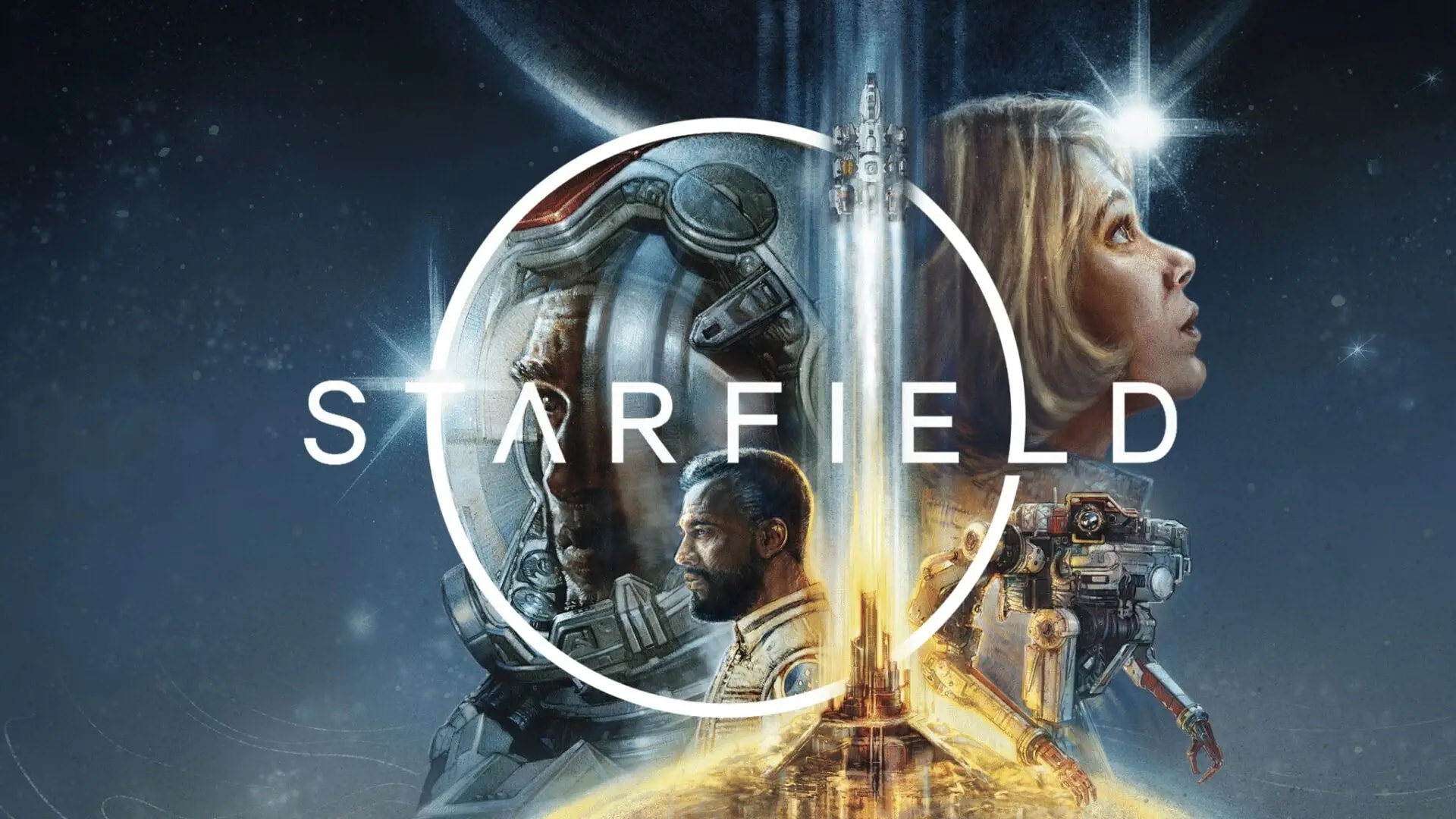
An extraterrestrial experience finally in the world. Dive into the vast expanse of Bethesda's sci-fi epic in our Starfield review!
It's been a long time since we played a new major Bethesda game – 2015 gave us Fallout 4. At the same time, we are surely far from The Elder Scrolls VI, so fans of this studio's grandiose adventures will surely be satisfied with the first new IP in more than two decades, Starfield. The premise is simple enough – explore space, visit new planets, customize your spaceship, gather your crew. It is essentially a dream game for anyone who grew up wanting to be an astronaut with an unlimited amount of content to browse.
Starfield had immeasurable amounts of hype around its release. There are many interesting factors in the game, and one of the most compelling is that it is a Day One Game Pass title. A high-budget AAA flagship console exclusive with minimal DLC being made available en masse instead of a $69.99 price tag is very risky. But the mere fact that this is a Bethesda title means that millions will flock to play it on that principle. And millions did, making Starfield the biggest launch in history. So, how does the game meet the incredibly high expectations?
Starting tips and factions
You may have seen some stories that the best way to play Starfield is to rush through the main story and then start exploring. I usually don't like playing games of this nature that way, but this turned out to be pretty good advice – it's best to soak up the universe within a fairly well-paced narrative.
In short, you are in search of artifacts after an out-of-body experience, and the group Constellation is there to help you collect them across the Settled Systems, where you can freely jump from planet/galaxy to planet/galaxy at will. You can take a break from the story at any time and go exploring, but I suggest getting light XP and better immersion in the story as your main focus to start – especially because there are so many systems to learn in Starfield.
In typical Bethesda style, Starfield also has large factions that are not big fans of each other. The Freestar Collective and The United Colonies are the largest governing bodies, and of any Bethesda game so far, it is actually quite difficult to choose which one to join. This is where the role-playing aspect of Starfield really comes into play and offers a lot of replayability because you will likely think more and more about this choice through multiple playthroughs, of which there will likely be more than one.
Technical performance and visual identity
Starfield is the biggest test for high-end PCs since Cyberpunk 2077. I played that game with an RTX 2060. As Starfield is optimized for AMD technology and does not include DLSS support at launch, I don't necessarily enter this game with an advantage in terms of frame rate, but I am happy to report that, much like past Bethesda titles, the only performance drops are in busy cities full of NPCs. In fact, I got a full 60 frames per second in well-lit buildings, indicating that there is deep optimization, with only the consistency department lacking. I also tested the game on an Xbox Series S console at 1440p resolution and it worked perfectly.
I also didn't experience any visual glitches in gameplay, which is essentially unheard of for a AAA PC port these days; they really crushed all those bugs before release, which is a feat for a game of this scale!
The ability to land on a new planet and not know what to expect is one of Starfield's most endearing qualities. One planet was a rainy swamp, the next an icy brick, and they all used different color palettes, weather, and day/night indicators that are far from the overly green debris-filled waste of Fallout 3. I was skeptical when I heard “you can visit 1000 planets!” I said that for me there were no visual glitches in Starfield, but the gameplay is far from glitch-free. Talking to someone while an enemy is nearby? If an enemy catches you, there is a chance you will get stuck in dialogue and won't be able to do anything but load a new save. This should be patched soon, but it seems it never happened in Fallout 4 or Skyrim because those games transitioned to combat without incident. After this irritating problem and frame drops, Starfield actually has above-average performance for a traditionally messy developer, and hopefully, the last few flaws will be smoothed out in coming patches.
Sound and voice acting
Sound is a pretty big thing within science fiction because there are many sounds that are unnatural and, therefore, play in the imagination and the sound team needs to create them. Lasers thump satisfyingly, the void of space is echoey and transcendental, the beeps and noises inside your ship are quirky. It is a treat for the ears and best experienced with headphones to maximize immersion, which is necessary for a game of this caliber.
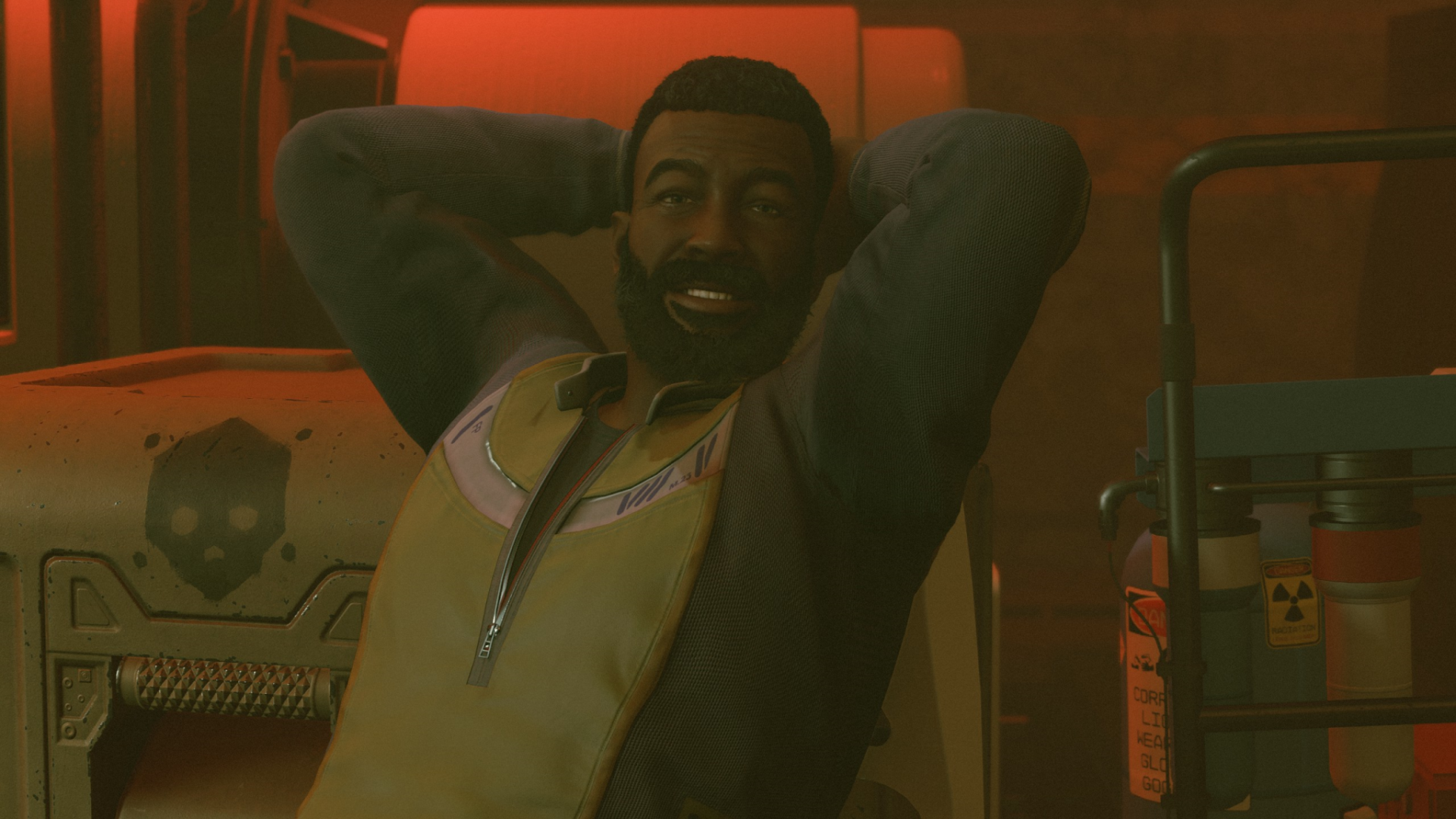
But where Starfield shines best is its stellar voice acting which works on all levels. Not like the three male actors with voices we experienced in Skyrim that fit everyone, you can truly distinguish NPCs from each other. Bringing star power and range like Damien Haas, Armin Shimerman, Steve Blum, and others, it is fantastic to hear diversity in a Bethesda game whose beginning we also saw in Fallout 4.
The bread and butter of Bethesda games are their unbridled adventures at your own pace that stretch what would be a 20-30 hour main story into more than 100 hours of searching maps for every nook and cranny and letting your imagination run wild. No other company can pull this off as well as Bethesda; now that they are setting the setting in space with dozens and dozens of planets to dig through, it is a huge risk after games like No Man’s Sky and Elite Dangerous have already wowed players in this area.
Combat mechanics and ship management
You might have seen that the “first 12 hours” of Starfield are the hardest to get through. That statement was felt in a big way in my playthrough, as the learning curve is no joke. This game offers you so many different systems and perhaps could have done a better job in teaching instead of letting the player run free; I didn't know you could fast travel to a planet from anywhere in space, and it took 5 hours for it to click that I had to buy a skill to even use a boost pack.
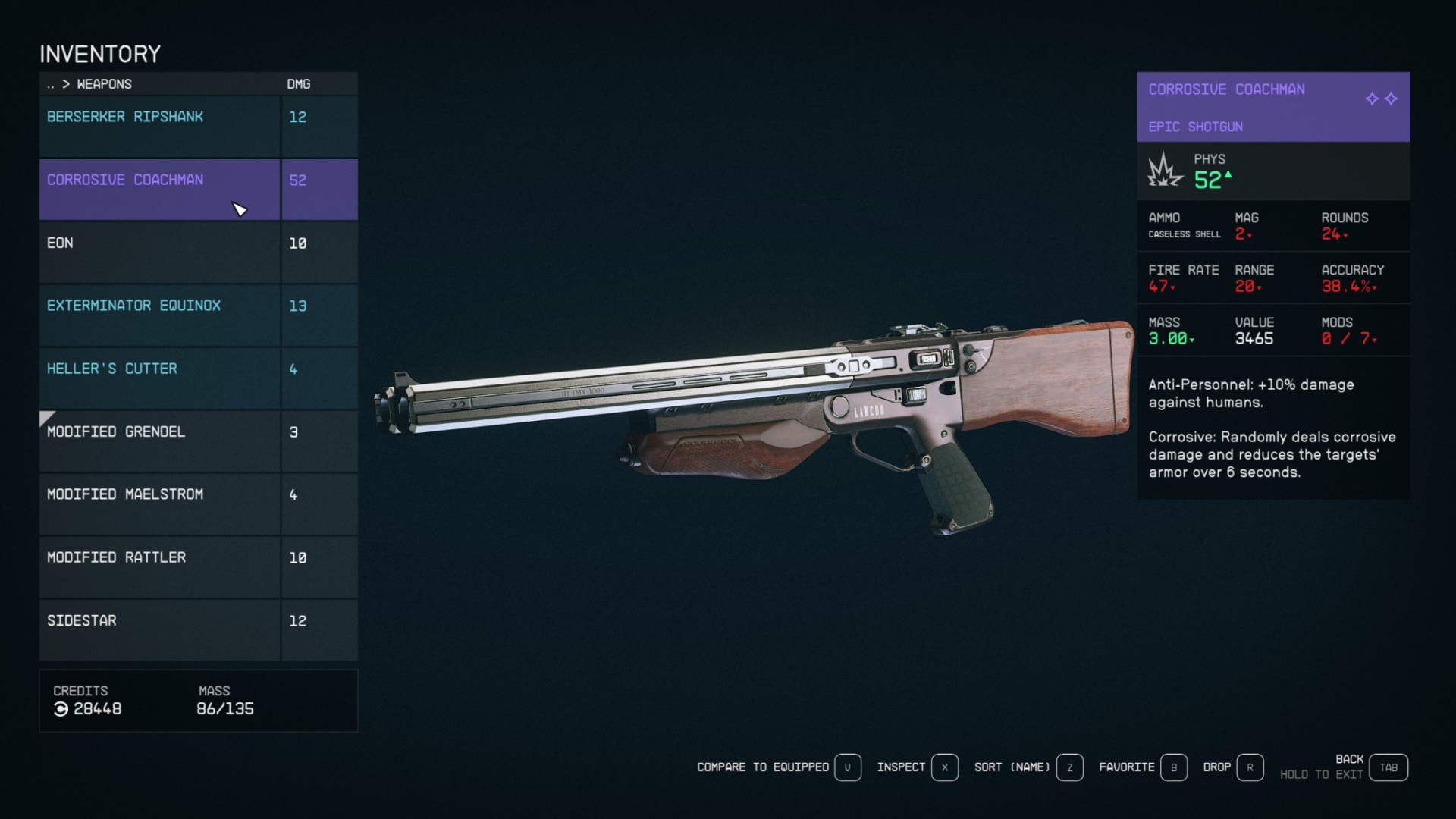
The gunplay in Starfield is significantly better than it was in Fallout 4. I struggled to find a weapon that felt right at distance for a few hours, but the shotgun was an easy favorite and dealt massive damage to enemies in a satisfying way. Your companion also has fairly competent AI, which is more of an asset than a liability in fights, even if it repeats some of the same dialogue every few minutes. Enemies are usually spongy, but a worthy enough challenge that in most cases I didn't mind.
Inventory management in Starfield is as concise as it has ever been in a Bethesda title. Swapping weapons and filling up on food after a hit is still a breeze, and it's easy to determine which weapon/spacesuit to use based on the situation you are in. The initial carrying weight is small, making it a must for early upgrades.
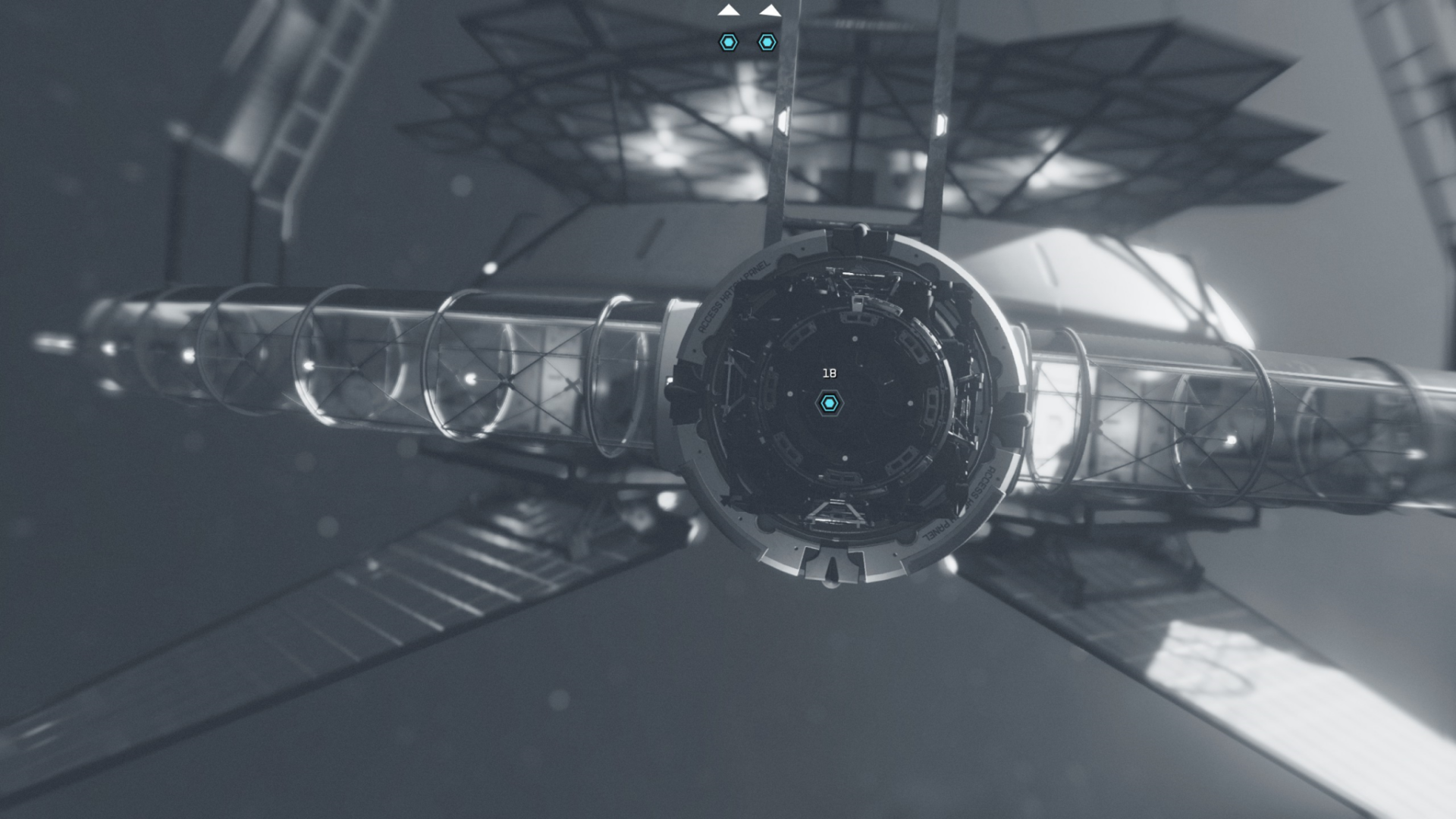
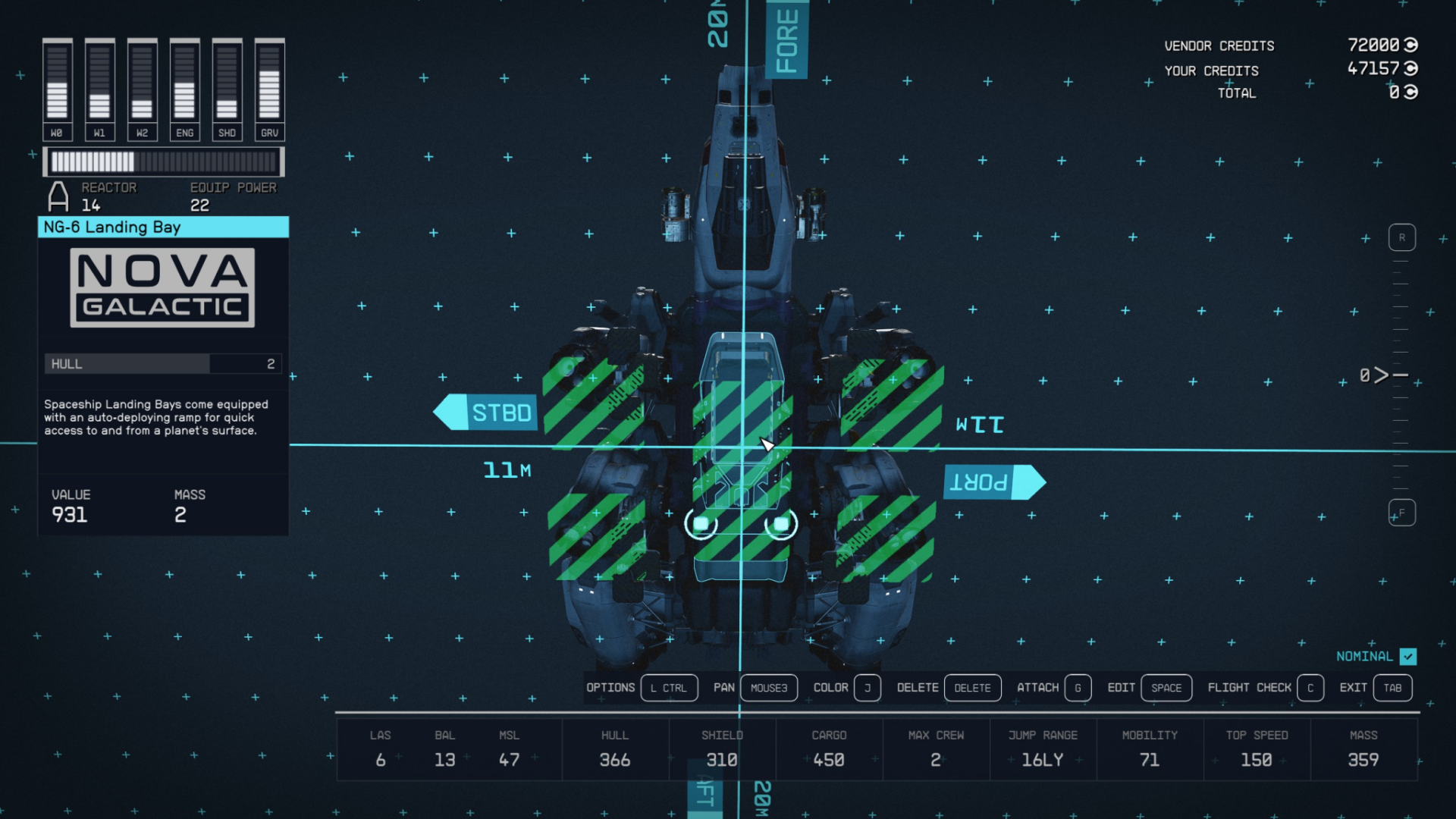
Dogfights in space are actually something new in Starfield. If you encounter enemies in space, you won't just press the left mouse button and win. You have guns, missiles, and lasers at your disposal that you can use together. The part that makes this fun is that you will have to manage your power output between each system on your ship; lower your shields if you want to be less conspicuous and avoid a fight, or boost your weapons so you can shoot harder and faster.
I was thrilled the first time I went to modify my ship in Starfield. This menu is packed with customization options to the point where you can create anything that comes to mind. The fact that players have managed to recreate some of their favorite ships from other games/pop culture, such as the X-Wing and Normandy, testifies not only to how diverse this menu is but also how dedicated players are to spending time here instead of exploring.
Exploration and conclusion
Interacting with NPCs in Starfield returns to more than just one of the four usual options in Fallout 4. You can choose whole sentences that vary greatly in tone and intensity, and some made me laugh well. Because exploration is the key to the game in Starfield, there are some pain points in its early beginnings that limit the fun during the learning process. I wish locations on each planet could be a bit closer because you spend a lot of time running from point A to point B while running out of breath every 20 seconds or so.
If you go into Starfield expecting a Bethesda RPG in space, that is exactly what you get. That could be a big deal for fans of the genre, and a trouble for those who hate the idea of measuring tons of new systems to master on top of some bugs that need resolving.
It is far from a flawless transition from any previous Bethesda game to Starfield, and that's perfectly fine, because with everything Starfield offers, it's worth learning how the game works; I was afraid I wouldn't like this game, but after four hours I was hooked like nothing else I've played so far this year. I had doubts in the first few hours of Starfield, but when it clicked, it was only academic at that point. It's obvious that a multitude of players are also looking forward to sharing their ship builds and adventures, so it's clear that Bethesda has managed to succeed once again in this new IP.

Discussion(0)