
I don't envy Bloober Team. No one really wants the difficult task of updating something as layered, emotionally sensitive, and respected as Silent Hill 2. The original game has been praised and analyzed for decades by fans wanting to understand every detail. It’s a game where every strange pattern and unusual room decoration means something, and its unforgettable atmosphere hangs on the finest threads.
This modern remake of that legendary story starts off great, offering a wide range of graphic settings and accessibility options. It only takes a bit of tweaking for the game to become beautiful thanks to ray-tracing technology, or to adjust the controls exactly how they suit me. My favorite option is the ability to swap the standard ‘quick action’ for getting monsters off me with a simple button press – a small change that allows me to focus on the horror around me, rather than the pain in my thumb.
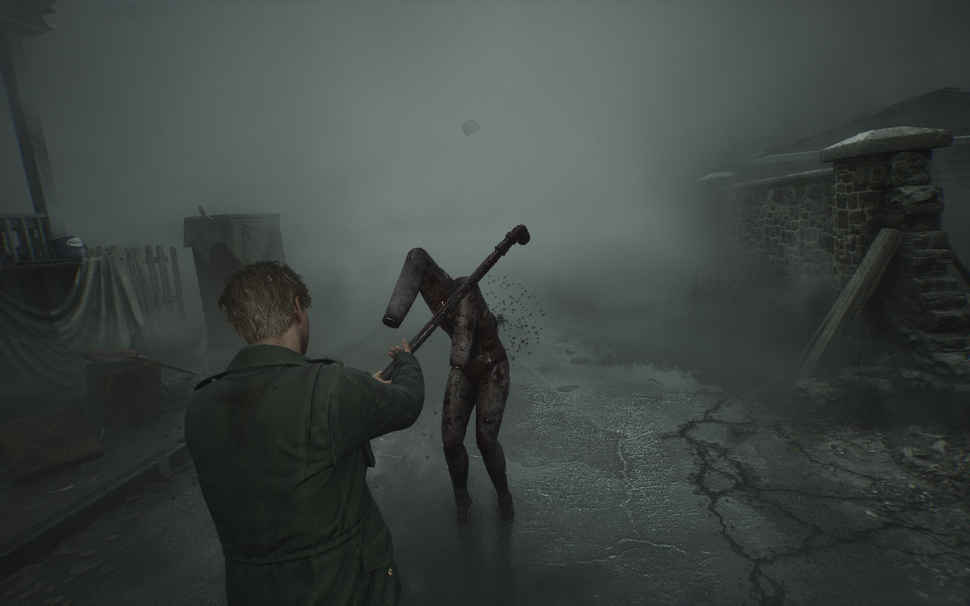
These horrors feel impressively familiar, even decades after the game's debut on PlayStation 2. Hellish scenes covered in rust, signs, a shiny pile of meat staggering past locked houses falling into the abyss – it’s easy to believe that Silent Hill 2 always looked this good, but that illusion requires a lot of effort.
The role of fog and exploration
The fog rendering, which is a trademark of the series, is equally impressive in the remake. Fog rolls across the scenes, gathers in dirty corners, and descends to the ground. It becomes a physically present obstacle that James Sunderland must push through, rather than a simple cloud trying to hide the view.
Despite the improved fog, Silent Hill 2 is now easier to explore than ever, thanks to an auto-marked map that updates itself, keeping notes and circles around key locations, and a new visual aid – white fabric. This more subtle solution compared to the yellow paint of modern games can be seen over parts of the scene that James can climb or around objects he can interact with, helping him navigate through the visual clutter in the game's detailed and overcrowded environments.
This time, the maps of the main locations have been completely redesigned. All the key features are there somewhere – the doctor's office, an ornate clock, gallows in the middle of an eerily large area – but now they feel like a blurry memory of the original, where familiar sights are transformed into something new. Like being trapped in a nightmare, the clash of the familiar and unfamiliar leads you through paths you think you know, only to get completely lost. My old experience and favorite guides didn't help much here, which helped make the remake feel as fresh and dangerous as the original.
Puzzles and combat
Some of these changes come from new and redesigned puzzles. The standard difficulty is perfectly balanced, providing something challenging and satisfying to solve without the need for taking notes. Unfortunately, the new physical tasks are less successful, too often involving pushing a box from one place to another, while some less exciting challenges from the original remained. Dropping juice cans down a chute on the third floor to find a key item wasn't a fun or thematically relevant task 23 years ago, and it isn't now.
Many better tasks that didn't make it into the game have been transformed into unobtrusive reminders of the past. New players will surely wonder why someone is leaving a horseshoe covered in wax, but returnees will immediately recognize the reference. These discoveries suggest that James's 2024 adventure is just the latest loop in an endless nightmare, layers of mixed torment, but they are also a reminder that I am playing a version of Silent Hill 2, not the original.
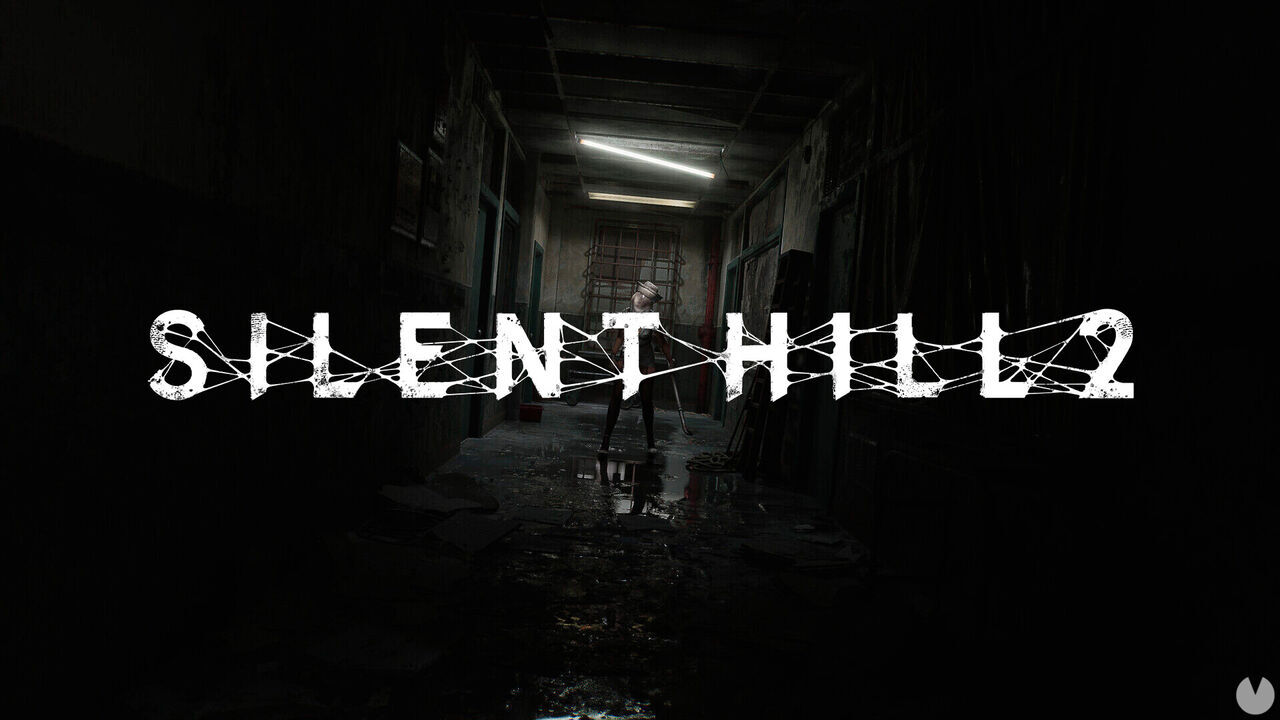
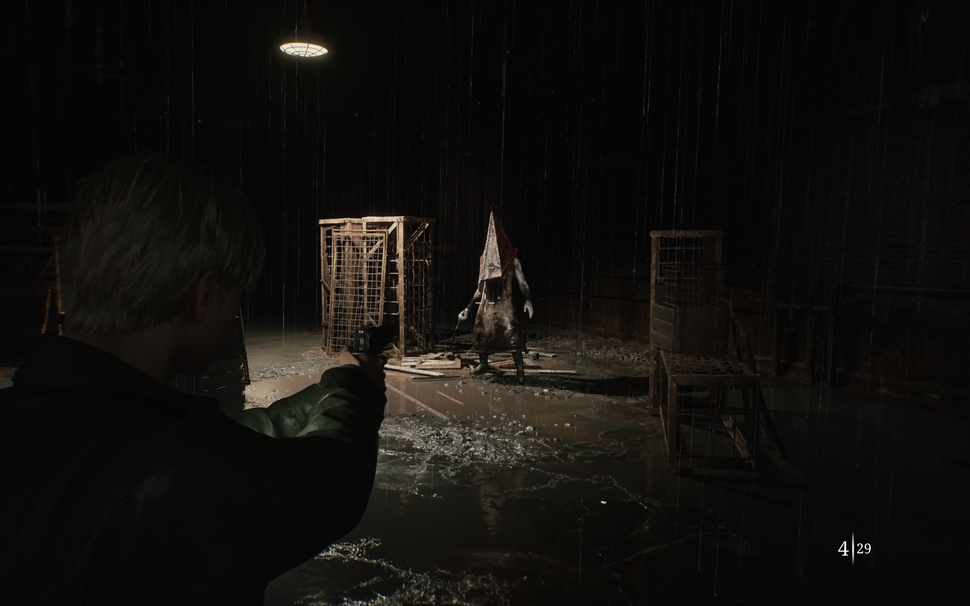
While it can be clever and subtle, Silent Hill 2 sometimes faces horrors in their pure form, twisting in corridors and spitting... I don’t even want to know exactly what those creatures are spitting. Even on the default difficulty level, and with decades of experience in the original game, these beings are still dangerous—to survive, I had to treat them with caution.
Or try to hit them with an iron pipe. Close-quarters combat is rough and frantic. Technically speaking, it is very simple—just keep pressing the attack button until they fall—but when talking about a desperate man trying to fight off terrifying creatures with whatever he can find, a simpler system makes more sense. Unfortunately, this combat style becomes monotonous over time.

Discussion(0)