
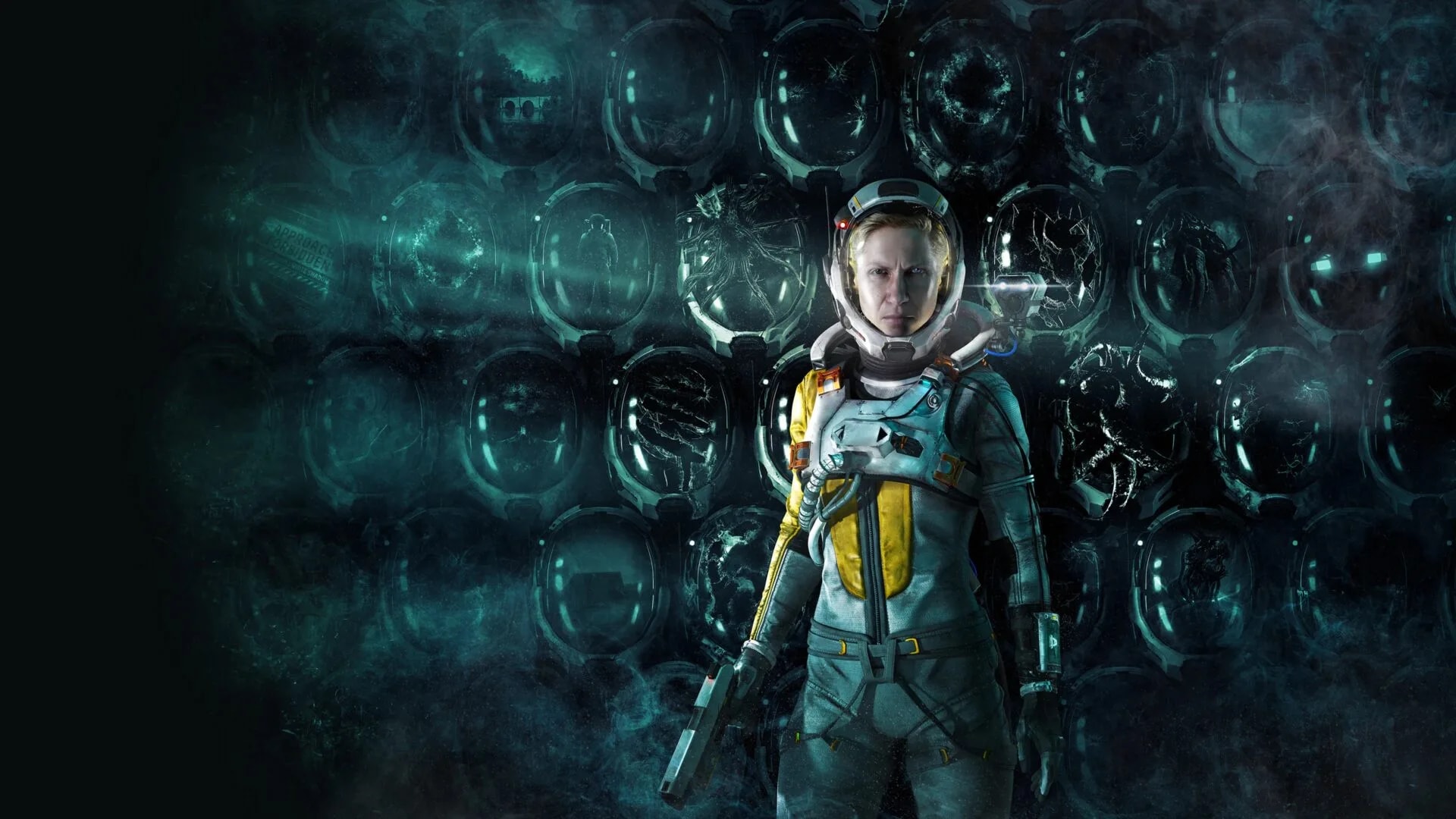

Returnal may have taken a bit more time than other PlayStation exclusive titles to finally arrive on PC, but this interesting mix of fast-paced third-person action and roguelite progression has finally landed on computers.
Beyond unlocking new levels of performance not possible on the PlayStation 5, the PC version comes with new visual settings, a range of display options, resolution scaling, and a benchmarking tool that helps you fine-tune your performance.
Visuals and control schemes
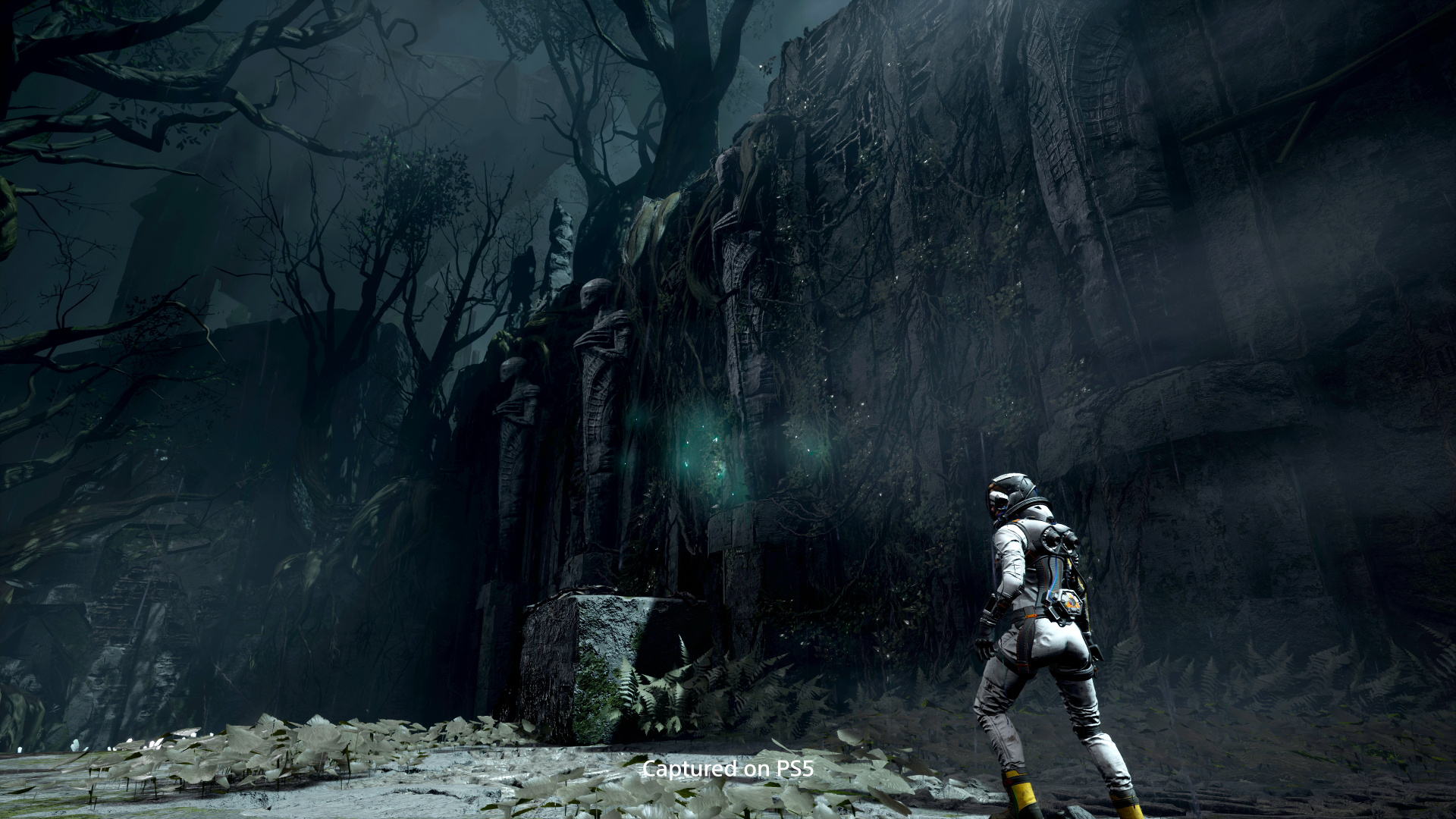
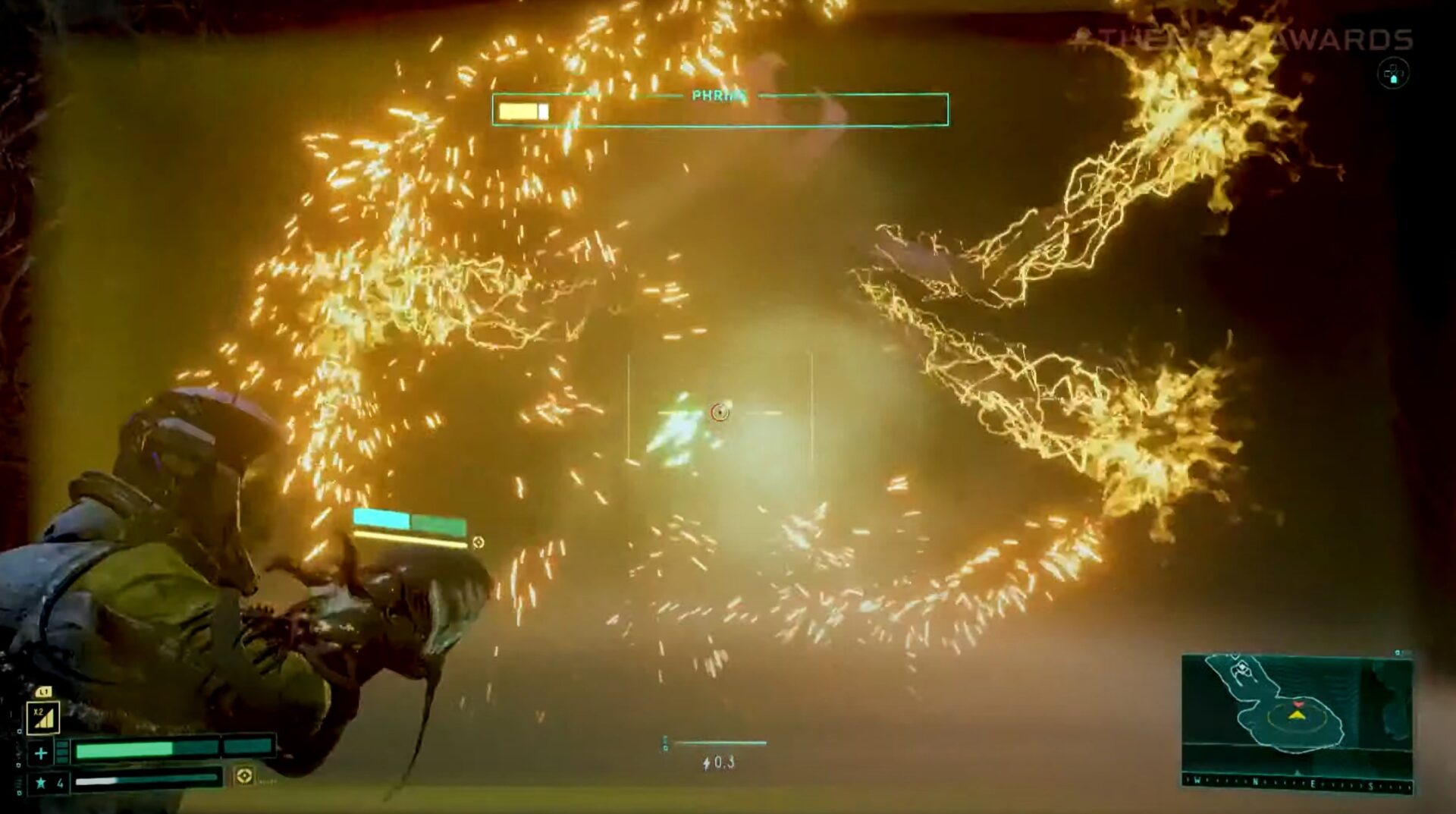
Returnal is a technical showcase on PS5, with an incredibly rich art direction that makes each of the six different biomes a joy to explore. Its bright, neon particles and large, deadly projectiles flood the environments and light them up in various colors, highlighting the exciting and fast gunplay. On PC, the action is still best enjoyed with a DualSense controller, for which it was ultimately designed. If you use it with your PC settings, you will have full access to the same control scheme present on PS5, including its excellent use of adaptive triggers to enhance primary and secondary fire.
It is perfectly fine to play on any other controller with appropriate button mapping that makes the game feel just as natural. However, if you want Returnal to be easier, then a mouse and keyboard are recommended because you will have much better and faster visibility and precision. Whichever way you choose to play, Returnal is fantastic.
Optimization and performance
Returnal’s gameplay thrives on high frame rates, which is why anything below 60 frames per second is almost impossible to recommend. With that in mind, it is good that the overall hardware utilization and the scalability of the four graphic presets allow for a wide range of hardware configurations to get the best out of the action. Contributing to the smooth performance is great optimization and the fact that the game arrives without Denuvo protection, which we know can kill performance on PC.
Nvidia’s DLSS (without DLSS 3 frame generation) and AMD’s FSR are present as expected, but developers Housemarque and Climax Studio also added Nvidia NIS, Adaptive and Linearly Scaled Resolutions, and Variable Rate Shading.
To assist with its graphical ambitions, Returnal includes an excellent benchmark tool. Usually, these are just ways to see how a game runs on preset settings, but Returnal goes a step further by breaking down every aspect it tests. From particle systems to dense volumetric fog, each scene combines specific visual settings and tests them individually, allowing you to see exactly how your hardware copes. This is invaluable for determining which settings to change for an effective performance boost, removing much of the guesswork.
Gameplay loop and narrative
However, there is one aspect of Returnal’s gameplay that falters. Loading between each new procedurally generated room caused significant stuttering, regardless of the settings used. Given the speed at which you tear through the biomes, having this happen constantly was incredibly distracting.
Returnal is a difficult game to categorize. On one hand, it is a combination of existing genres: play one round and you’ll see elements from roguelikes, Souls-likes, Metroidvanias, action platformers, bullet hell shooters, and horror games. But while it borrows from all these genres, its unique flow ensures that its chaotic shooting galleries and eerie storytelling feel entirely new. The shifting but not unsettling pace, unpredictable narrative, tough-as-nails gameplay, and constant sense of ambient terror – Returnal’s many moving parts come together into a rare shooter that wins you over with its mechanics and its story.
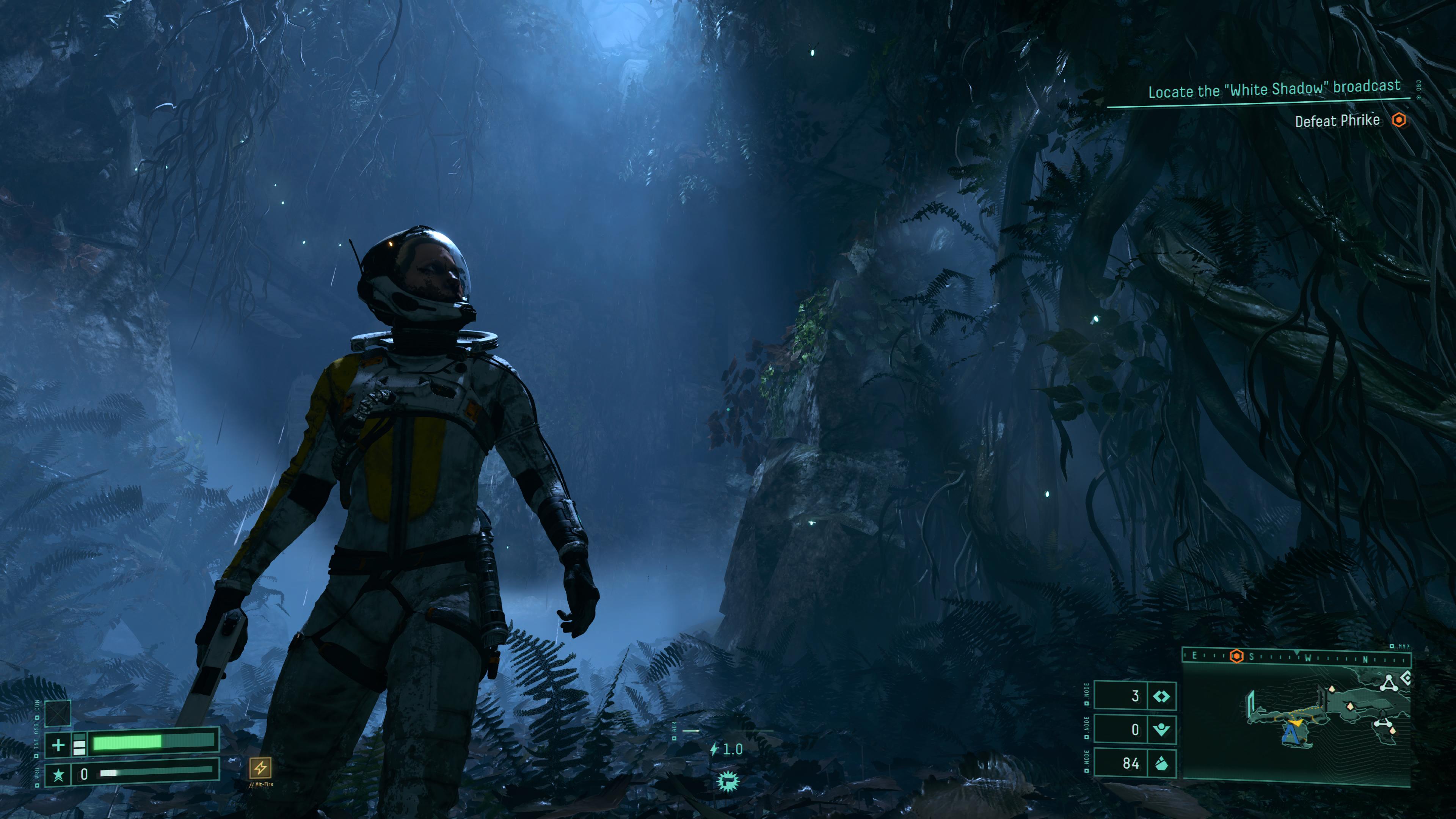
When you start Returnal, interstellar scout Selene Vassos crashes on an alien planet, Atropos, which emits a mysterious signal. Stranded, Selene makes some startling discoveries, including the game's title feature: when she dies, Selene "returns" to the crash site, seemingly unharmed. Selene wanders the procedurally arranged landscapes of Atropos, gathering equipment, upgrading her health and weapon levels (called proficiency), and killing strange creatures with writhing tentacles.
Each enemy type has its own bullet pattern to learn, but when you combine four or more together, even simple enemies can create complex, beautiful light shows that will bring you down if you aren't at the top of your game.
Final verdict
Returnal is a masterpiece. Its mysterious story and demanding action feel intense, impressive, and fresh. The fast-paced combat manages to feel incredibly intimidating without ever becoming boring. Every moment is a rush, either because you barely dodged a massive purple laser or because you have no idea why an Apollo-era astronaut is following your every move. Do you need to be a bit brave to play Returnal? Yes. Do you need to be resilient to constant death? It helps. In any case, Returnal is a must-play title!

Discussion(0)