
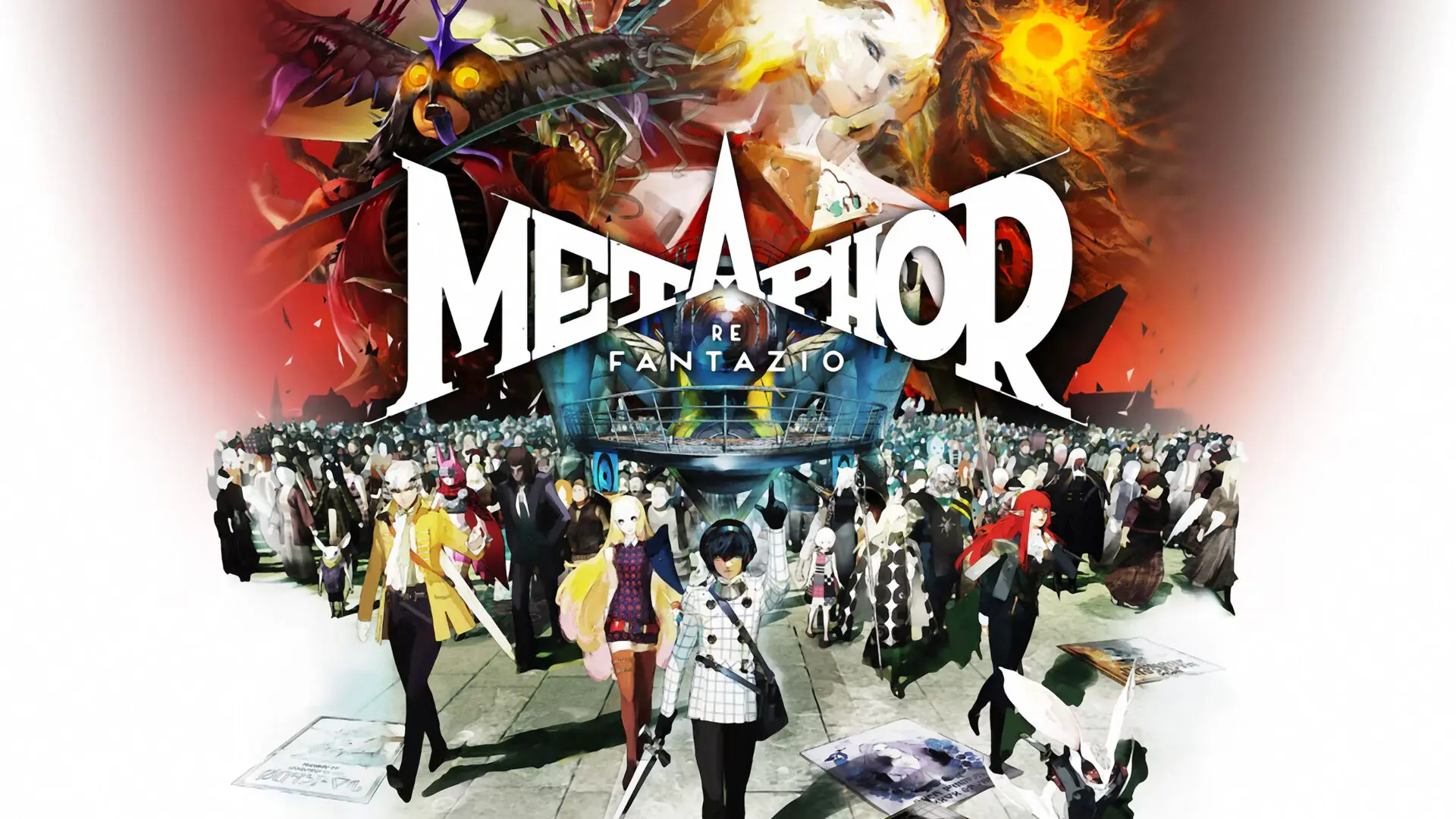
Metaphor: ReFantazio – review
Atlus delivers a fantasy masterpiece. With its innovative Gauntlet Runner system and deep Archetype combat, Metaphor: ReFantazio is a brilliant evolution of the Persona formula.
Miloš asked me if I had discovered what the metaphor in Metaphor: ReFantazio could mean, and I answered something like: “No idea, haha.” After thinking about it a bit more, I think there are two possible metaphors: 1) The game has a lot of similarities with Persona. 2) Its story is like a commentary on our society… or something in that direction.
But, metaphors aside, the game is a massive fantasy RPG that is technically better than Persona 5 in many ways. Structurally, it feels less repetitive. It has more animated scenes that enhance key story moments. You can get rid of weaker enemies in real-time instead of through tedious turn-based battles. Generally, I think this is the best game Atlus has released in the Persona style — it truly is brilliant. However, a part of me feels that it’s missing something that will prevent it from staying in memory like Persona 5 once it reaches the end.
The cruel world of Elda
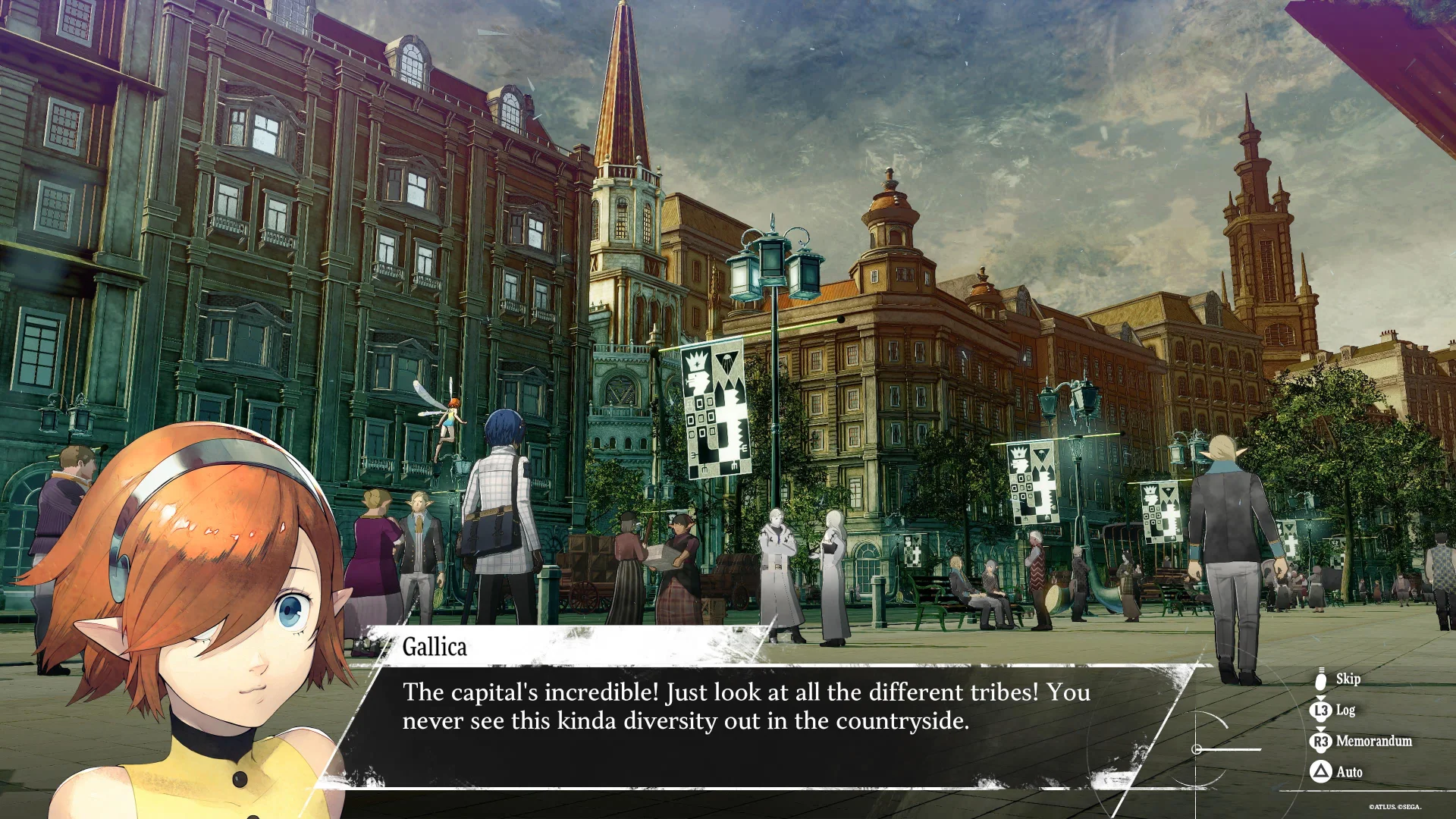
In Metaphor, we play as a young man from an anime world, whose upper dialogue options are mostly polite and neutral. However, he is an Elda, a rare race that society looks upon with contempt. That world is a mix of different races: those with cat ears, horns, wings, or cages on their heads. It soon becomes clear through conversations with stuck-up citizens (“What is an Elda doing here?!”) or through scenes of persecution (hanging a boy with cat ears) that the world is cruel and unfair.
The universe itself is in chaos because the prince and heir to the throne is cursed. He was cursed by his older brother Louis, who also killed their father, the recent king. In short, what follows is a power struggle, because the dead king activated a magical gambit that sets up a final contest for the throne. The candidate who wins over the public through three trials will become the next king. You, the young Elda man, enter the contest, with the goal of winning, but also saving the prince from his brother’s curse.
Time management and the Gauntlet Runner
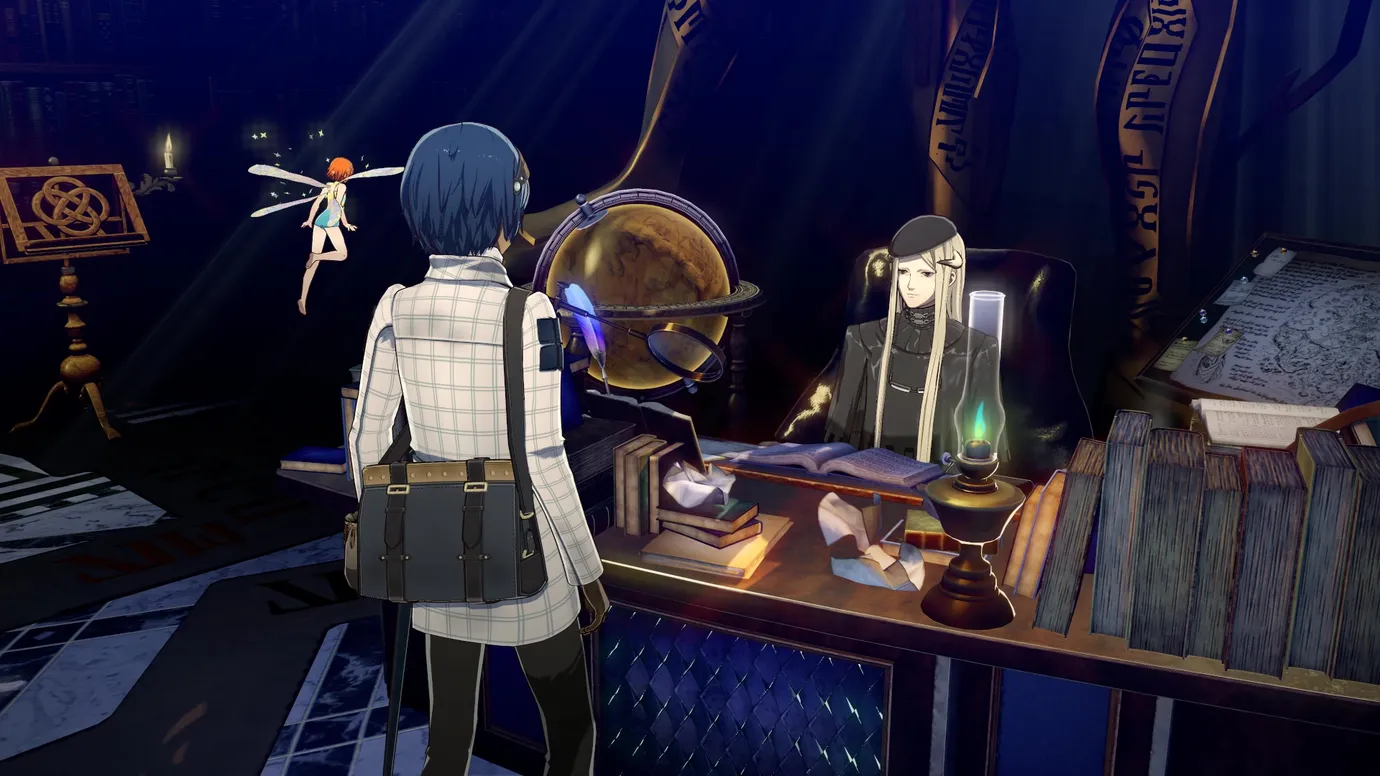
Similar to the Persona games, your political campaign is controlled by time limits. For example, you must beat an important dungeon before the 16th of the month, and until then, you use every day to strengthen your power. You can spend the morning with a friend to deepen your bond (more on this later), and in the evening listen to a grandpa’s stories about meeting fairies, which increases your Imagination (one of the traits that opens special dialogues, just like in Persona). When you are ready enough for battle, you can venture into the dungeon in parts, returning over several days to rest and recover. As long as you finish before the deadline, you are safe.
While Persona has a rigid rhythm, with large dungeons between periods spent hanging out or grinding, Metaphor has a more natural flow. Although you are still tied to deadlines, your royal campaign is led by your Gauntlet Runner. More precisely, a ship with legs, which has magnificent thighs and a nice interior as your base. Unlike the Leblanc café in Persona, Metaphor moves the headquarters between cities via teleportation, depending on the story situation.
You can spend time in the port city of Brilehaven, where ocean orbs hover above the colosseum and nearby streets, or in Grand Trad, the glorious capital, or Martira, whose inhabitants are affected by a deadly secret. All these cities have standard shops: for weapons, for armor, and those that improve your Courage and the like.
Exploring the world through quests
No, the most important element that gives Metaphor a special identity is your Gauntlet Runner. During breaks between main tasks, you can take it for a ride. Although you can’t drive it freely like a car in San Andreas, you can accept tasks around the city, like searching for lost items (“I lost my wife’s glass, haha”) or bounty missions (eliminating a huge worm in the desert). These tasks are then marked on the map with a tempting sound of a pencil, with marked camps and rivals between locations.
Many quests lead you to towns that are on the way to dungeons. You just pick a route, pay attention to the number of days needed for travel, and press the movement button. These missions make up a large part of your adventures while you balance the time needed to conquer dungeons. During the journey, you have the opportunity to hang out with friends, relax in a hot bath, cook meals, and fight intruders. All of this gives the game a sense of dynamics and adventure compared to Persona.
Archetypes and social bonds
Metaphor still retains one key element from the Persona games, and that is that every important character discovers their own magical Archetype: a class that allows them to use magic that consumes MP, unlike sword or mace strikes that consume nothing. As a generic anime youth, you first discover the Seeker class, an all-around sword and magic fighter class that can inherit skills from other classes. Your close friend Strohl discovers the Warrior, and the red-haired hungry Hulkenberg, the Knight. By befriending characters who look different from the rest, you unlock new classes. The stronger your bond, the more benefits you unlock for them, like additional skills, or rewards outside of combat, like better bounty rewards.
Metaphor: ReFantazio
The Good
- ● Innovative Gauntlet Runner system that makes traveling between cities feel like a grand, lived-in adventure.
- ● A fluid and highly tactical combat system that perfectly blends turn-based strategy with deep Archetype customization.
- ● Stunning artistic direction and UI design that breathe life into a vibrant and unique high-fantasy world.
The Bad
- ● The silent protagonist can occasionally feel somewhat neutral and generic compared to the vibrant supporting cast.
- ● Some dungeons and side activities can suffer from occasional repetitiveness in layout and item gathering.
They say he never sleeps! He lives in the blur between code and screen. While the world rushed through levels, he transcribed the cries of fallen bosses and the whispers of the machine. After 30 years in the digital trenches, his ink is binary. He isn't here to review games—he's here to archive the chronicle of our digital existence.
View Author Page →
Discussion(0)
Loading discussion…