

One thing’s clear - Indie Games Studio has stirred chatter, mainly because of Ebola Village. Right off, the name punches hard, sticking in minds fast. Four releases in under six years? That pace feeds fascination more than explains it. Across forums and video essays, voices pile up, most calling the series a misstep in horror design. YouTube swells with takes, many branding the games as broken attempts at fear. Oddly enough, praise slipped through when Sony gave it spotlight time, even hosting clips on their own PlayStation channel. Still, what sticks isn’t gameplay gripes, but how closely it shadows known works - blurring lines between nod and copy feels like the real story here.
Unfair to call the makers thieves without real evidence. Yet calling Ebola Village just "inspired" stretches credibility thin. Ideas move around freely across game studios - big names copy indies, indies borrow from giants. Loving a game often means pulling pieces from it. Most groups twist what they lift, turning echoes into something that sounds like themselves. What stands out about Ebola Village is how closely it follows Capcom’s blueprint for survival horror, to the point where admiration slips into something closer to imitation built from familiar parts. Aside from the flood of nearly identical titles on Steam, few console games in recent memory have felt quite this reliant on someone else’s ideas.
It’s hard not to notice the work behind a one-person creation, still Ebola Village falls flat fast. Better games keep coming to mind, since this one brings so little on its own. Almost nothing - how things move, enemies act, places look - seems original, instead twisted into clumsier forms. Lasting about three hours might sound brief enough, however each minute drags under dull loops and stiff controls.
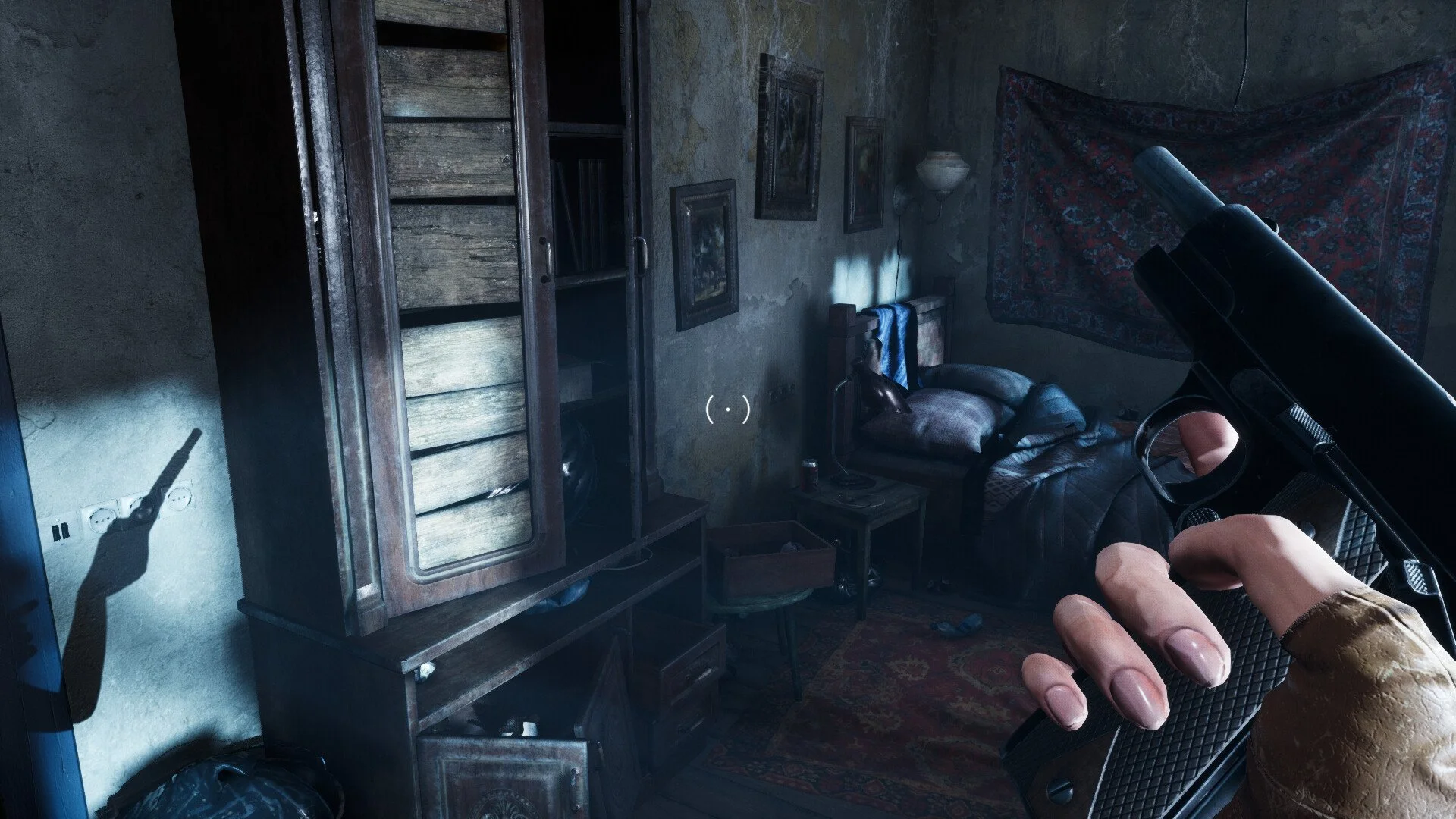
Right away, those first moments crash down like a dropped plate. Long before reaching the village, awkward movements pop up alongside odd landscape choices - things so offbeat they make you pause and question if any of it was meant to be there. Inside a small apartment, Marina opens her eyes, just jolted awake by a news report dragging on with what seems like no end in sight. Could be the team thought this part was brilliant; otherwise why let it stretch out like taffy? Something strange catches your eye in every corner. Jars bigger than they should be loom beside the TV set. Objects appear where you would not expect them. Tablecloths drift off edges like they are caught mid-fall. Miniature scenes of nature seem stiff, lifeless even. Nothing settles right from the first moment.
Things do not add up, even in small moments. For instance, Marina will not go into a dim bathroom although she holds a flashlight. These odd choices pop up again and again during play, suggesting the rules behind actions were left unclear. Rather than feeling tense, such parts just leave players puzzled.
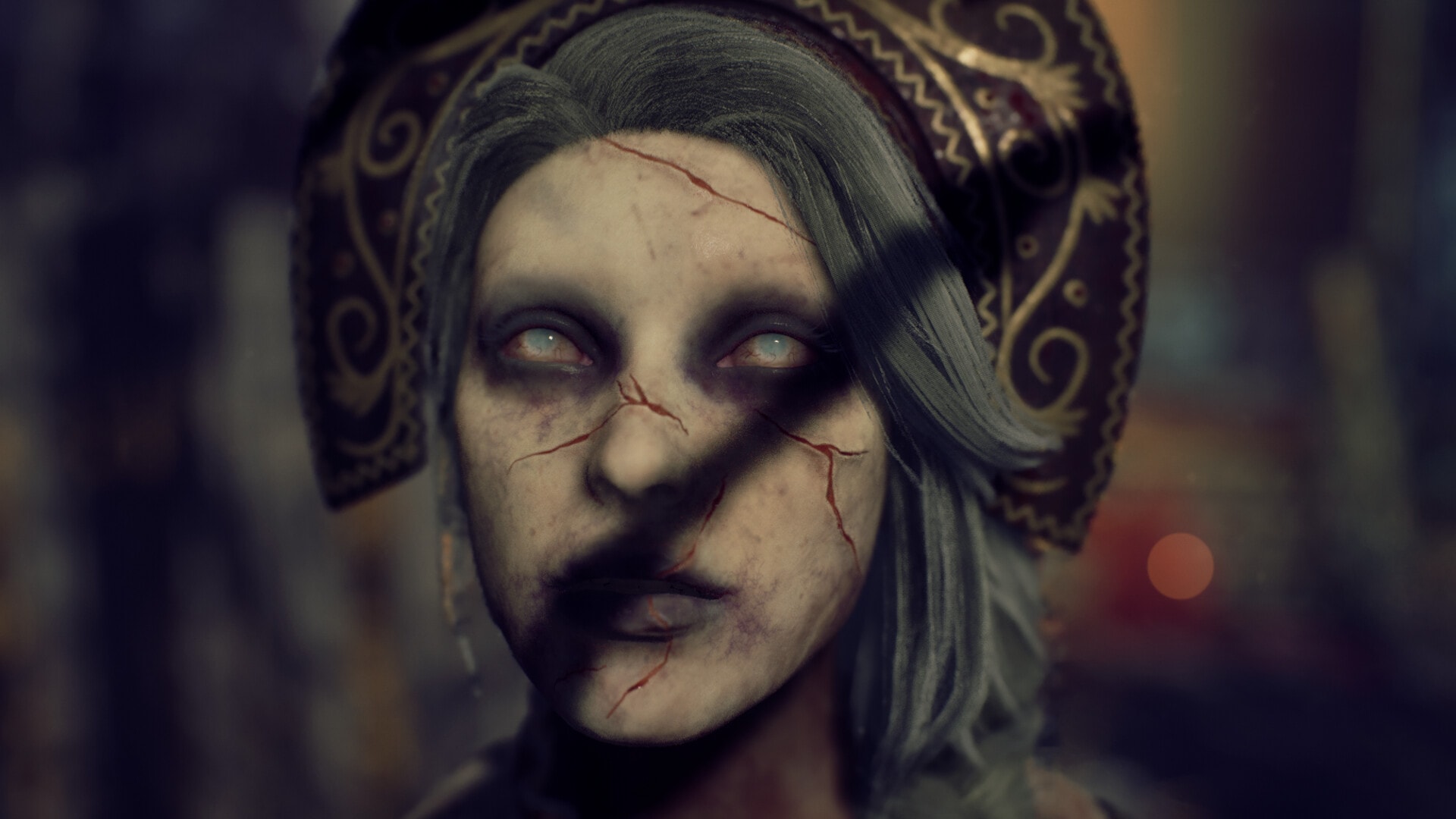
Out near Russia’s edge, a woman named Marina arrives in a quiet village cut off from the rest of the world. Her reason. Checking on her mother, plus seeing how things stand with Ruslan, once her husband. News had come about sickness spreading fast - not just any illness, but something tied to Ebola. Right there, you’ve got space for tension, maybe even sorrow, if handled well. Instead, what unfolds lacks weight when it comes to feelings. The history between Marina and Ruslan flickers into view now and then - moments where old emotions might rise up - though nothing ever takes root. Things get mentioned, never explored. As for Marina, her reactions stay flat throughout most events. When faced with her own sick parent - twisted by disease, almost unrecognizable - she does not break down. She speaks evenly, like reading lines at rehearsal, instead of acting out grief or dread. It makes the moment feel hollow. Worse, the person in front of her looks more suited to cheap scares at an amusement ride than real tragedy.
When play starts, comparisons to Resident Evil Village surface fast. Not just in looks - Marina could pass for a cheaper version of Claire Redfield. Combat scenes echo Jill Valentine’s early training sequences, almost too closely. The setting borrows heavily from Capcom's blueprint, sometimes too obviously. Yet the world feels rough around the edges, never quite holding the mood. Inside spaces stretch way beyond what outside walls suggest, breaking immersion each time. Moving through them gives off a staged, unreal vibe instead.
Out here, enemy choices play it safe. Chainsaw-wielding foes? Seen that. Creatures howling like wolves, snapping at shadows - nothing fresh there either. Hostile townsfolk act rabid, sure, but it's been done before. Waves of shambling corpses roll in one after another, predictable each time. These pieces fit together like leftovers scraped off better games. No real surprise, just recycled shapes tossed onto screen. The whole thing mirrors cheap echoes instead of standing on new ground. A borrowed atmosphere, stitched from obvious parts.
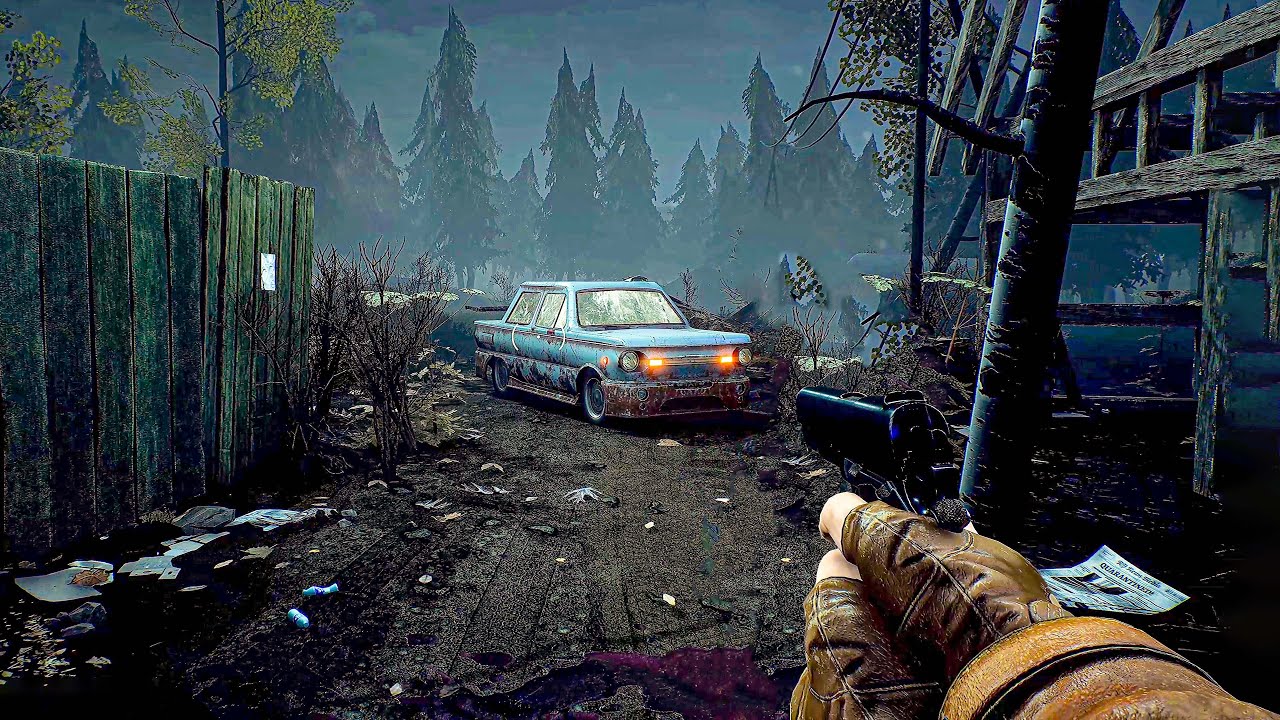
Clumsy is the first thing that comes to mind when watching the zombies move. They sway like balloons caught in wind, their lurches too bouncy to feel threatening. Each fight slips into the same pattern without warning - line up shots to the head, keep space between you, then do it again before the next group appears. Up close, the screen jolts wildly, making it hard to tell which way you're facing. Stuck in a narrow hallway, the chaos turns punishing fast. That knife at Marina's side? Hardly ever makes a difference when things go wrong.
Oddly enough, pulling the trigger doesn’t always fall apart. At certain points, firing weapons lands with just enough weight to imply a spark of promise hiding beneath chaos. Audio cracks and splatters show up now and then with unexpected clarity. Fleeting seconds like these quietly reveal that someone on the team knows their way around code. Every tiny improvement gets swallowed fast when some odd choice returns to spoil things again. Not far into it, how you move turns into a real problem. The way characters respond comes across rigid, stuck in an older time - slantwise motion acts up without reason. Rather than smooth direction shifts, people must wrestle clumsy inputs built clearly with keyboards in mind, not gamepads. When shaky frame rates join in, wandering around drains energy instead of building suspense.
A calendar says it is 1997, but sleek monitors glow on desks like they belong years later. Computers hum beside dusty furniture without reason or rhyme. Some undead shuffle past wearing jackets from the early two thousands, others in threadbare coats that seem too old for any era here. It could be lazy model reuse or just unclear vision behind the scenes. Whatever the cause, time does not hold together in this place.
What you carry feels like a constant headache here. Old-school horror games made tight storage part of the fear, making every choice matter. Instead of learning from them, Ebola Village throws progress out the window. At first, just four spots are available - barely enough for basic items. Over time, it crawls up to ten, still painfully small. Smooth fixes found in games like Resident Evil? Nowhere to be seen. Spending so much time walking back to storage chests happens every single run, sometimes longer than doing the main tasks. This does not come across as clever game tension but instead seems like wasted moments stretched on purpose.
Puzzle design brings almost no satisfaction. Many challenges are so basic they hardly challenge the mind at all. A case in point requires shifting a statue across tiles marked with numbers in a row. Start at “1,” after that glide to “2,” then “3,” followed by “4.” Nothing more needed. Such instances drain the joy of solving, leaving creativity feeling half-baked.
Somehow, the visuals in Ebola Village manage a shaky balance - nearly passable, yet tipping into rough territory. Lighting sometimes works, thanks to Unreal Engine 4 giving corners and shadows a presentable glow. Yet plenty of objects and characters feel plucked from a cluttered online store, slapped together without care or matching style. Strangely, the endings lean hard on flat, artificial-looking images that seem made by machines overnight. That choice adds to the sense something vital - craftsmanship, maybe - is missing throughout.
Out of nowhere, audio issues pop up in odd ways. Just when you're checking your gear, everything goes silent - tiny glitch, sure - but it happens so much that it breaks the moment every time. Voices do come through, yet strangely missing is an English voice track even though plenty of other languages got one. Reading along? Subtitles are there, just clunky; half the time they make less sense than what's on screen.
What sticks out most about Ebola Village isn’t tension or terror - it’s how closely it shadows something greater while missing its soul. Not once does it grasp why Resident Evil Village resonated; instead, it mimics surfaces, not substance. Ideas flicker now and then, especially around Marina and Ruslan, yet they dissolve before taking shape. Familiar controls return, along with visuals that echo past hits, propping up a brief run that offers little beyond recognition. Execution stumbles at every turn, weighed down by imitation and awkward pacing. Nostalgia gets leaned on hard, as if remembering greatness could substitute for creating it. Three hours pass quickly, though hardly anything lingers after the screen fades.
When all is said, Ebola Village shows how motivation by itself falls short. Taking concepts from others might succeed if there’s originality added, yet this title hardly steps beyond the games it copies. Rather than feeling like a tribute to classic survival horror, it ends up feeling like a hollow imitation of games that already exist — and far better versions of them at that.

Discussion(0)