
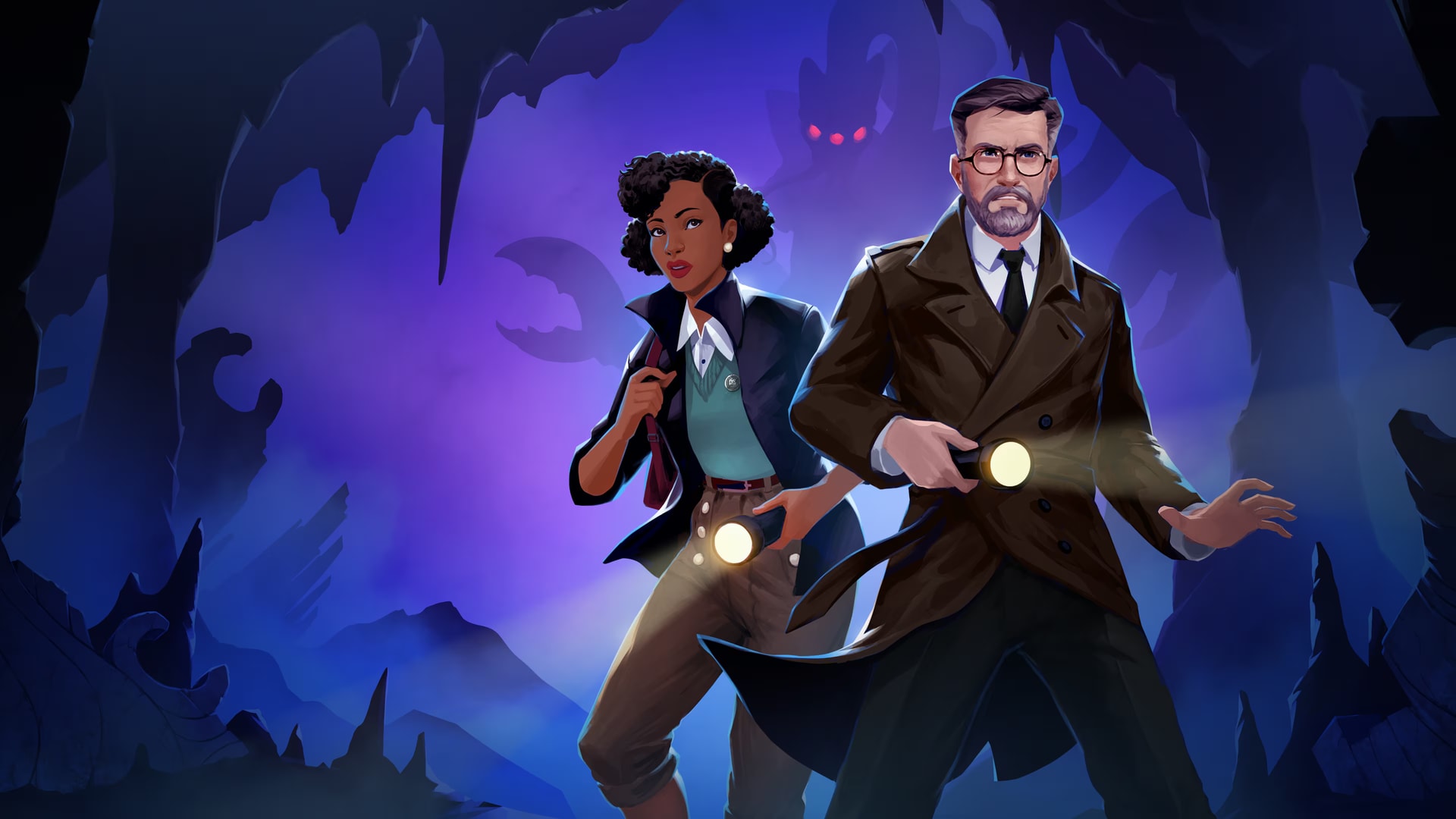
If you thought that the story of Nora and her husband Harry Everhart ended back in 2020 on the shores of the South Pacific, you were mistaken because just over 5 years after the release of Call of the Sea, we got a sequel in the form of Call of the Elder Gods. Call of the Sea was the work of a team consisting of 12 people and was inspired by the hit game Firewatch. It attracted its solid, large audience primarily with enticing visuals characterized by a bright color palette of a tropical island and quite solidly designed puzzles that offer a challenge even for more experienced players. It was played from a first-person perspective, and besides solving puzzles, the emphasis was also on exploration and on the story.
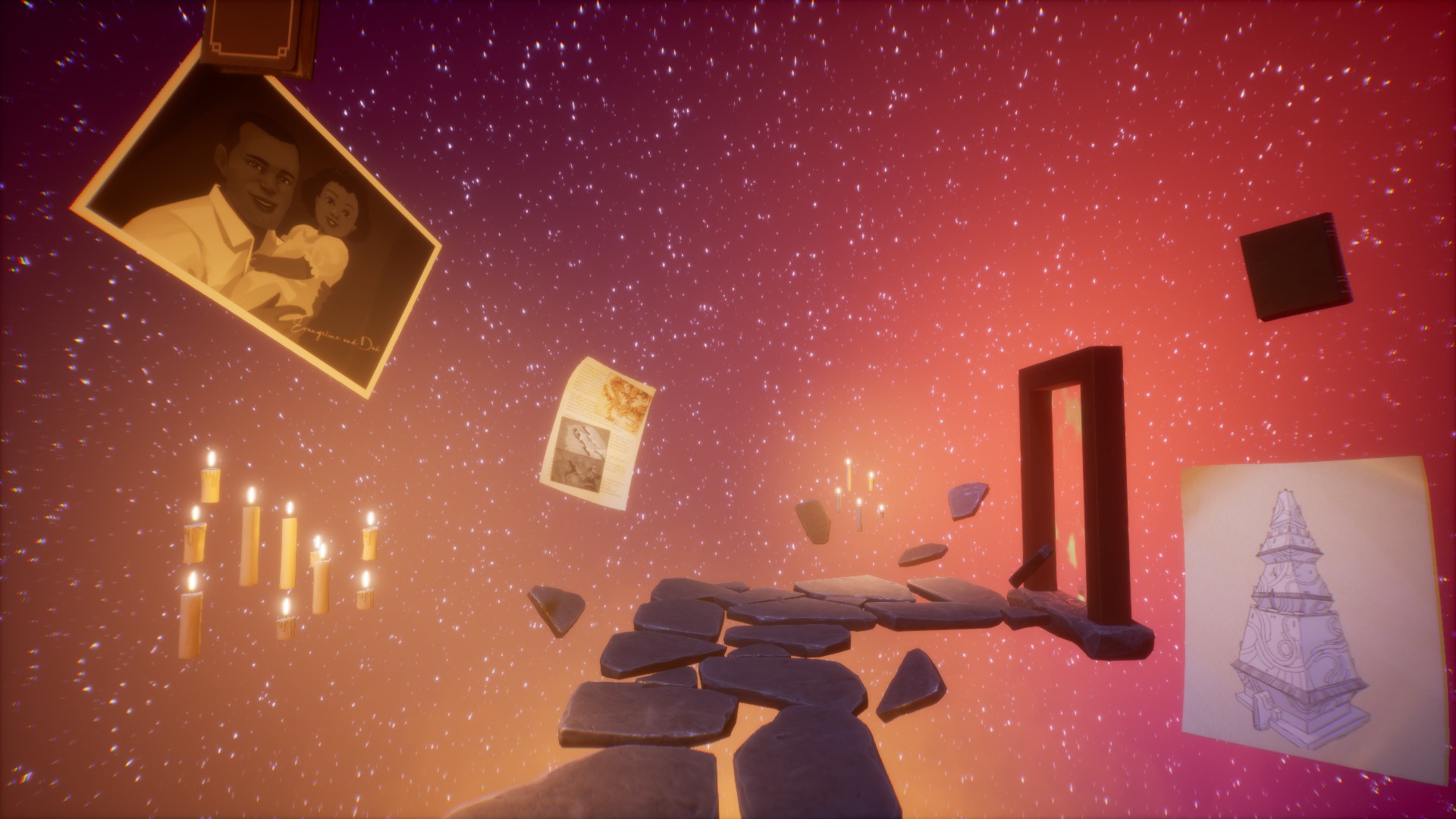
Almost everything mentioned above can be applied to the sequel with minor changes – this time we do not play as Nora, but instead take on the roles of her husband Harry Everhart and Evangeline Drake. To be precise, we begin the game in her dream where she dreams of a mysterious artifact that was excavated just over a decade ago. Her nightmares and visions connect her to the fate that befell Nora in the first game, and that connects her with Harry himself is trying to find answers and heal the traumas that remained ever since he events of the first game.
Therefore, the narrative structure is significantly more dynamic and ambitious due to the introduction of two characters, because both carry certain ideas with them. Thus, Harry's segments are focused on analytical tasks that are in some way connected to his past and aim to present his attempt to overcome what holds him back. The parts with Evangeline are more irrational, and that is where the Lovecraftian nature of the game comes onto the scene. Along with that, it should be added that Nora appears again only in the role of a narrator who gives comments whenever we find some item, look at some document or similar.
The narrative, although it seems ambitious, unfortunately does not go beyond clichés in a broader sense, and in a narrower sense there are a lot of problems with pacing and the shallowness of the characters. The game fails to evoke emotions in the player and fails to give them enough reasons why they should care about the characters. The most dramatic moment in which we find out a twist that connects our main protagonists is a good example of all the problems – we find out about it too late, the reactions of the characters are too shallow and inadequate and correspond more to characters from some cartoon. Further development is likewise full of unfulfilled potential both in the dynamics between the characters, and in the sense of the Lovecraftian atmosphere of cosmic horror.
Although I pointed out the problems first, where the situation is somewhat better are the puzzles, which are the main reason you will embark on this adventure anyway. The puzzles vary greatly in quality – from some that are great and require a lot of deductive reasoning, tracking all the clues, and finding connections between them, to those that are comically easy, unimaginative, and too long. I emphasize this especially because the duration of the entire adventure is already short – around 5 hours.
The process of solving practically every single one of them comes down to collecting clues, the key ones of which are written down in a journal. Analyzing them leads to the solution. In the second half, the game introduces cooperative puzzles where we can switch between the 2 characters in real time and thus solve a larger one by solving smaller individual ones. This is an idea with huge potential, but unfortunately, some of the weakest puzzles are precisely tied to this mechanic, and it feels forced just to give meaning to the protagonists being together.
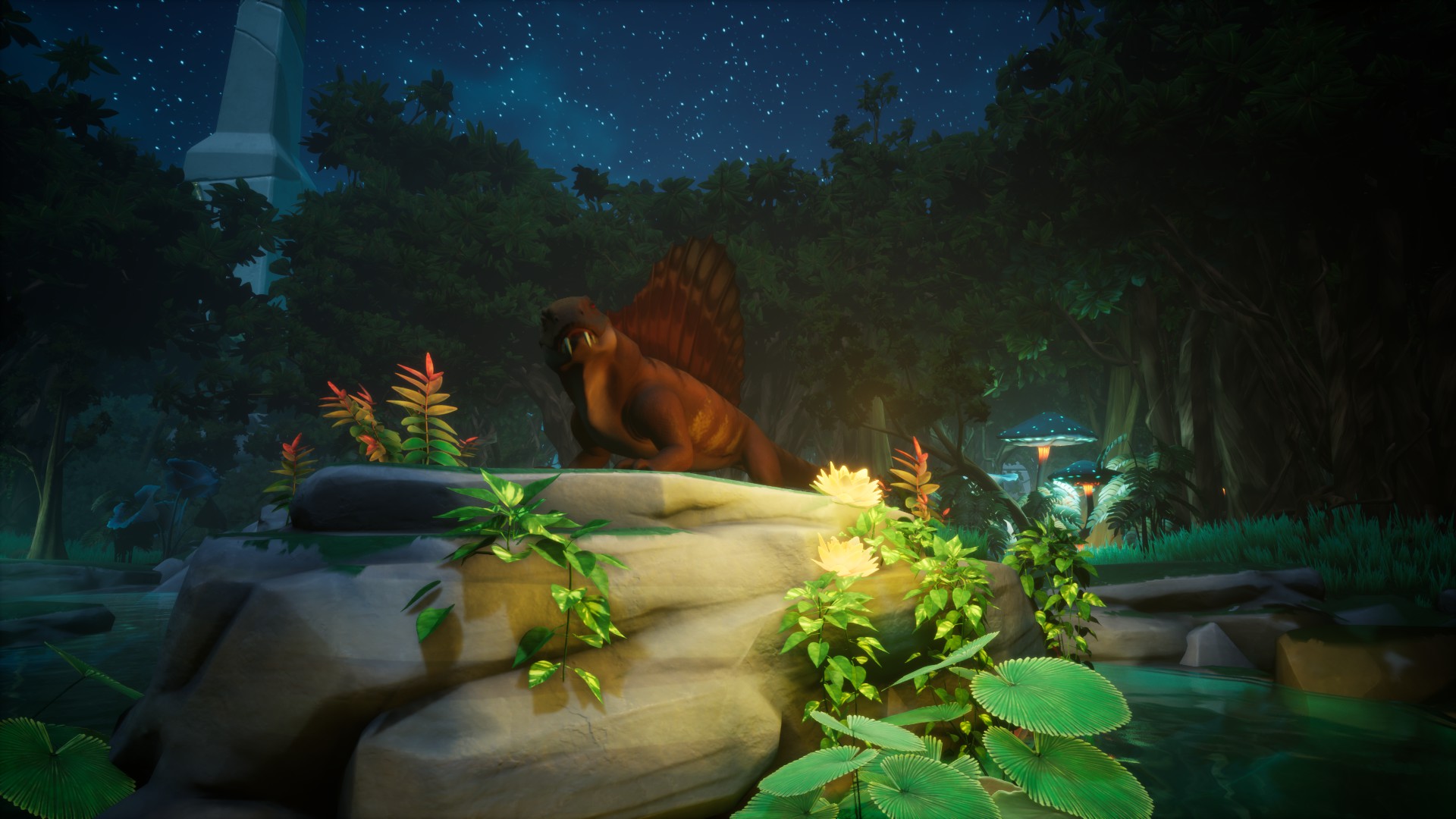
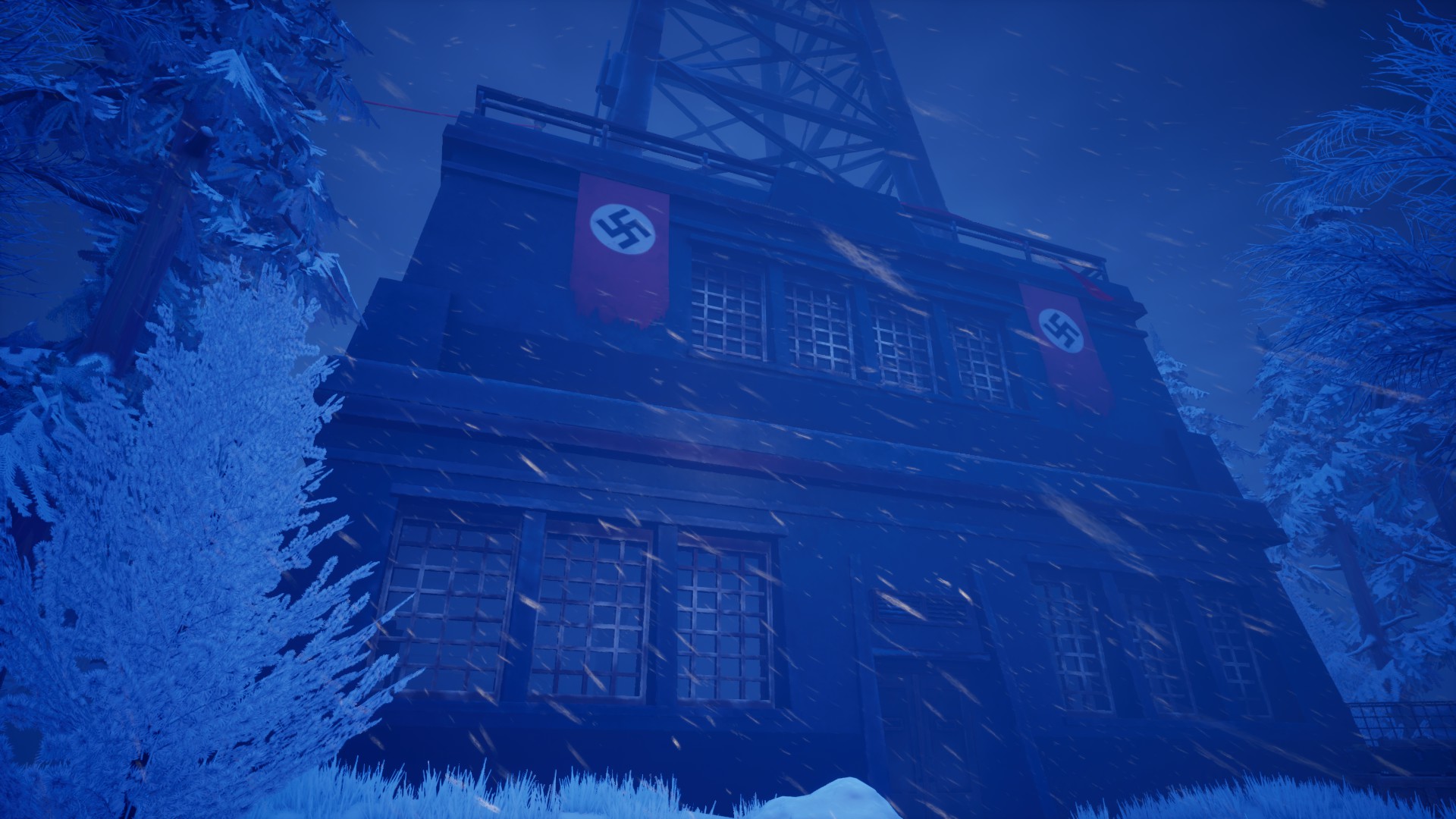
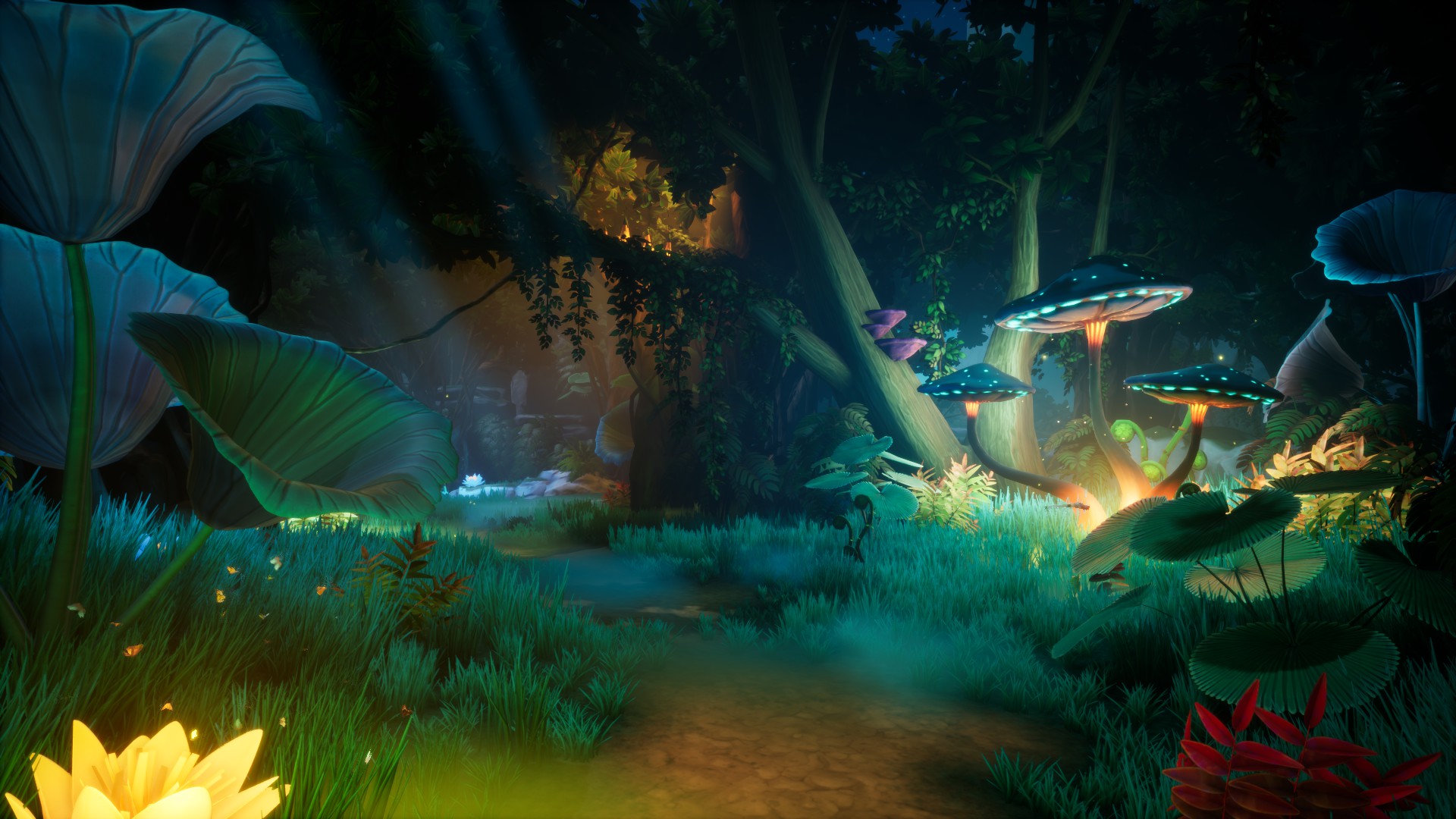
The transition from Unreal Engine 4 to Unreal Engine 5 has undoubtedly contributed to Elder Gods looking significantly better than its predecessor. Most locations look visually impressive, especially for an indie game. Given that it attempts to implement elements of cosmic horror, I wish the choice of locations had been a bit better, as the excellent visual style would have stood out more in a more imaginative setting than snow-covered mountain regions.
The audio design is quite solid. We are not talking about a soundtrack that you will listen to while doing something outside of gaming, but it is enough to make the overall exploration experience more pleasant. The voice acting is likewise solid, but at times it can be irritating and fails to convey emotion at the level it should.
Call of the Elder Gods is a game caught somewhere halfway between its ambitious goals and the reality of indie development. In comparison to the original, it feels as though the developers from Out of the Blue Games aimed to deliver more this time around, both narratively and in terms of gameplay. They only partially succeeded in this—while there are several puzzles that represent a truly excellent mix of creativity, challenge, and depth, the narrative side ultimately suffers from an overly predictable plot and poorly executed key plot points. However, given that games like this are played for their puzzles, I could still recommend it. We could put it this way: if you are willing to look past a cliché narrative and a relatively short five-hour experience in exchange for a visually pleasing and mentally challenging game, then you definitely should not skip it.

Discussion(0)