
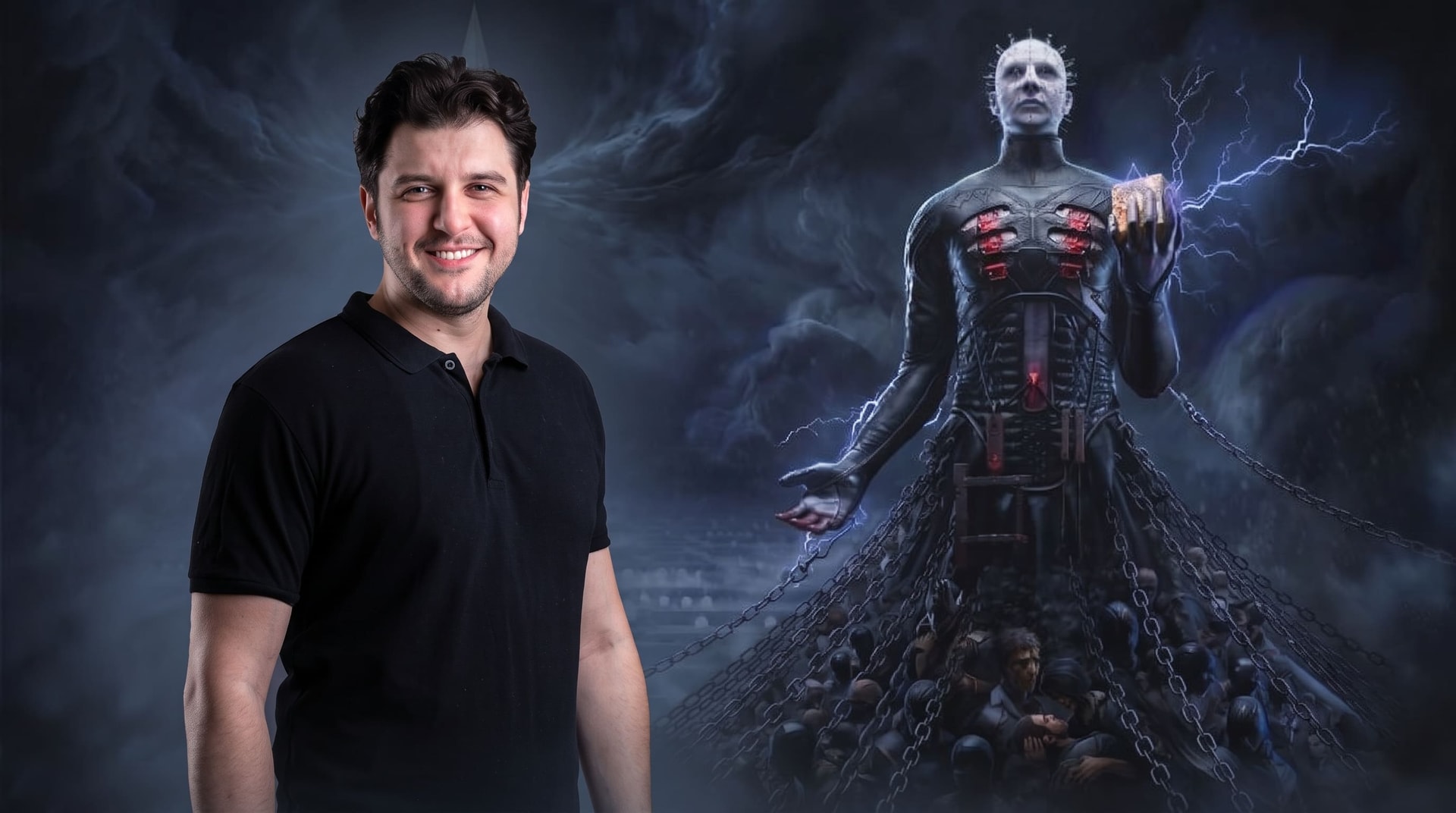

For nearly four decades and across 11 films, Clive Barker’s cult universe waited for a true adaptation in the form of an uncompromising video game—one that wouldn't bow to censorship, but would instead preserve its dark foundations of pain, eroticism, body horror, and violence. With the release of Clive Barker’s Hellraiser: Revival, studio Saber Interactive proved a great deal—above all, that there is still room in the modern industry for creative courage and projects that refuse to cater to the masses.
Immediately upon release, the game caused quite a stir, generated a wave of positive reactions, and even earned open recognition from the creator of the franchise himself. In an exclusive interview for Techplay, Denis Silajdžić, Senior Game Designer at Saber Interactive, discussed what translating this twisted mythology into an interactive format looked like, where the inspiration was primarily drawn from, how the collaboration with Barker unfolded, and what the team internally considers to be their greatest triumph.
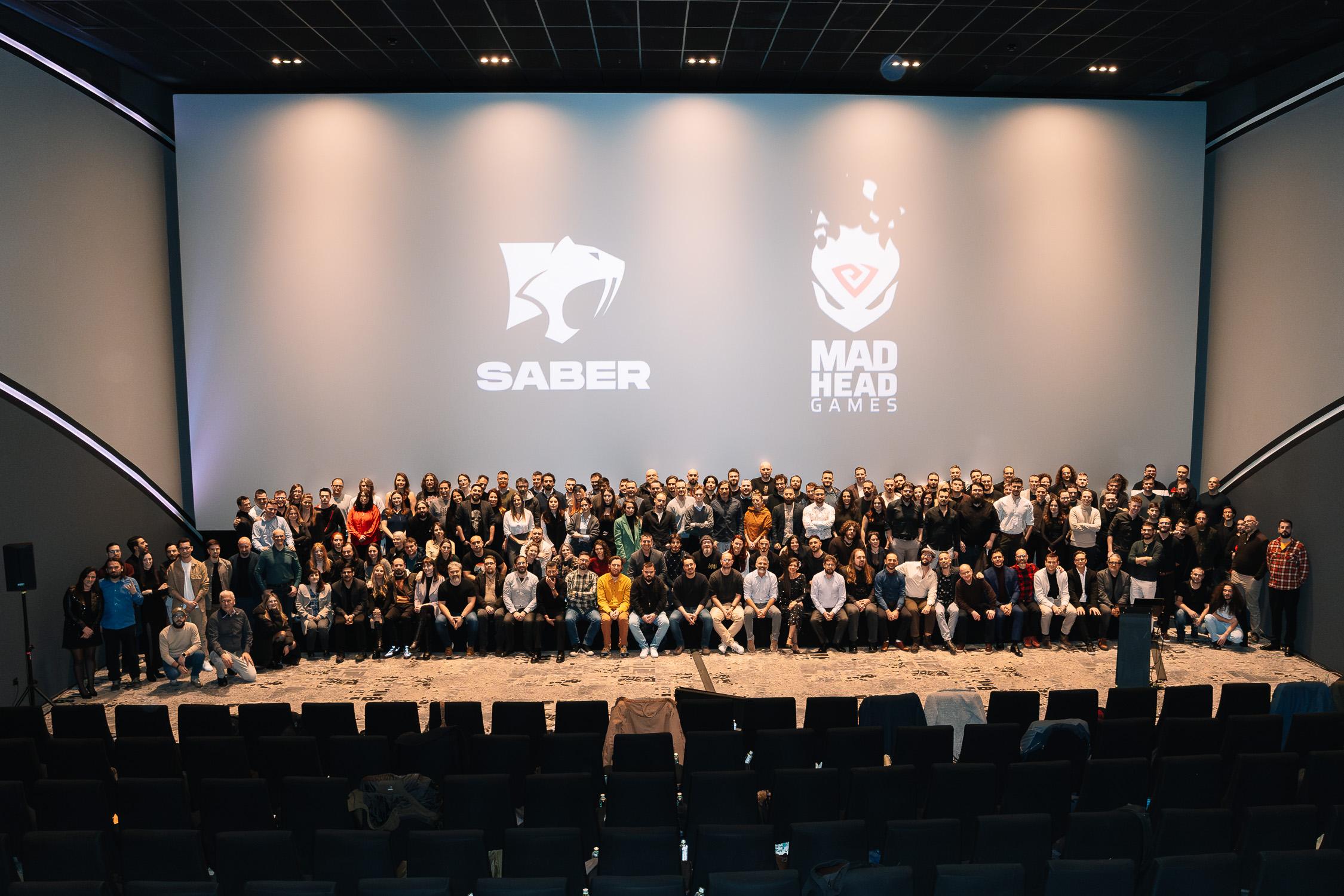
Q1: Hello, Denis Silajdžić! We hope you are doing well, and it is an honor to have the opportunity to chat now that Hellraiser: Revival is already out and has sparked a lot of reactions—most of which are quite positive, which is impressive considering the kind of game this is. For starters, something light: how does it feel now that we can already look at Hellraiser as a successful project from an ambitious studio?
A1: It’s really fulfilling. You work on a project, sometimes for years, and go through countless ups and downs, wins and losses, and occasional doubts, all to entertain and capture an audience. When the game finally comes out, and players love it and want to immerse themselves in it, all the work we’ve done is, in a sense, validated and ultimately worth it.
Q2: Unlike Warhammer or other established universes Saber has worked with, Hellraiser has never had a dedicated, full-scale video game adaptation. What was the core creative challenge when setting the foundation: which elements of the Barker mythology did you treat as sacred, and where did you feel the interactive medium required you to push boundaries?
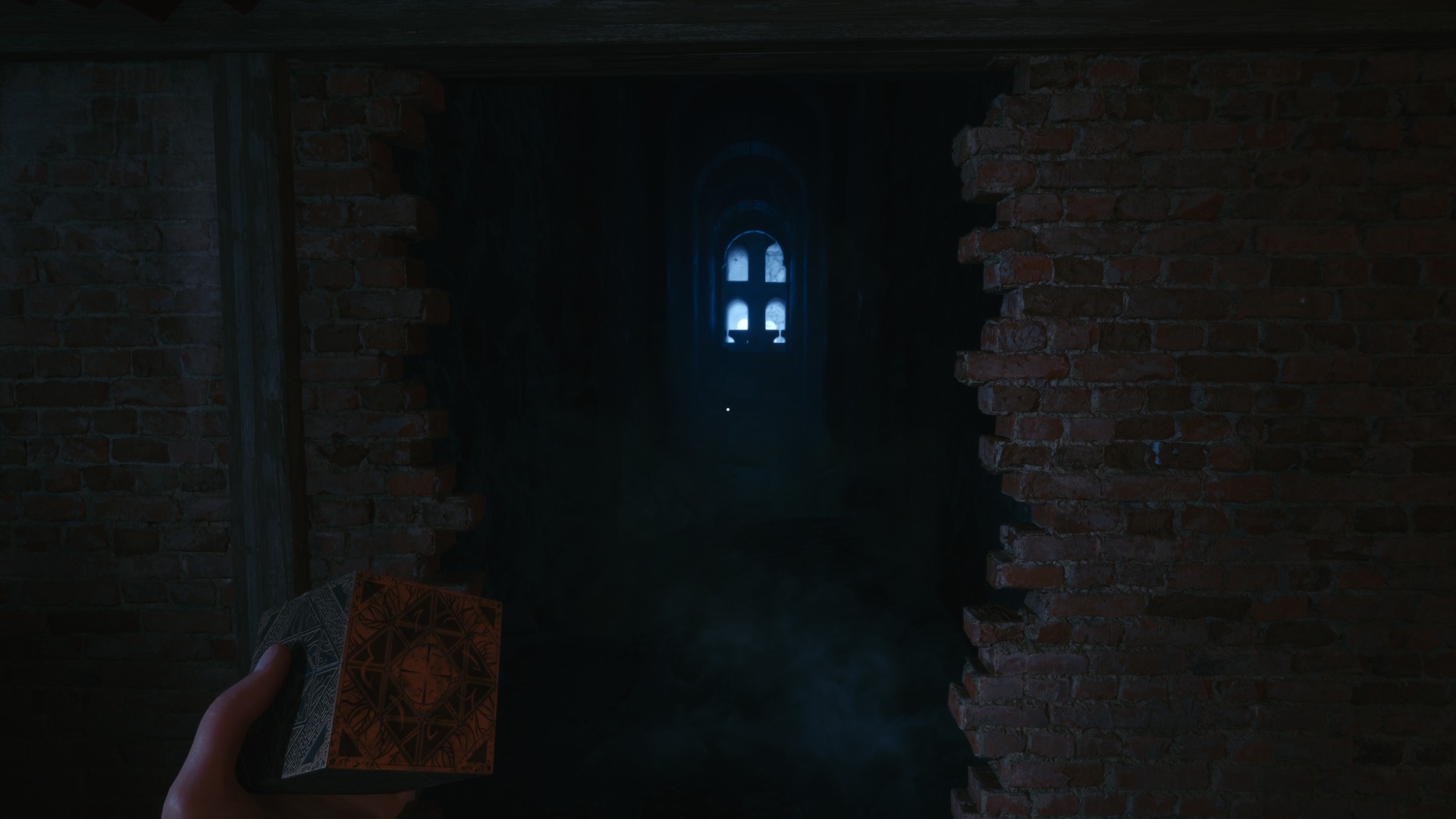
A2:The most important thing was to stay true to the IP. It’s relatively easy to slap on some gory scenes, a couple of raunchy lines of dialog, and call it a day. For these moments to undeniably feel like they belong in the Hellraiser universe, we had to make some tough and deliberate choices. If you are going to show the Cenobites in their own game for the first time, it better be a spectacle every single time. We took special care to represent them and the Labyrinth as faithfully as possible, while showcasing different ideas in the segments between.
Q3: Clive Barker has publicly expressed genuine pride in how far Revival pushes the envelope. What did the creative feedback loop with Barker actually look like during development, and did his input reshape any specific scenes, characters, or the narrative?
A3: Clive was very receptive to our approach, and after we had the foundation in place, he trusted the process and let us do our thing. It’s fascinating to work with the creator of such an iconic IP, and some of the insights we got from him are the ones that can only come from the source.
He may not be a gamer, but nobody understands this universe better than him. He stayed involved by periodically reviewing our scripts and gameplay builds. That feedback kept us anchored to Hellraiser’s soul while giving us the creative freedom to bring the game to life.
Q4: Although Revival is undeniably an authentic and unique experience, while playing it is impossible not to notice subtle nods to industry giants. There is a noticeable Resident Evil influence through the tactile inventory and the merchant, a BioShock vibe through manipulating the Box, and I'd even say the spirit of Outlast in the opening hours when the player is most vulnerable. Which games would you single out as your main mechanical inspirations, and how did you adapt them to the needs of Barker's world?
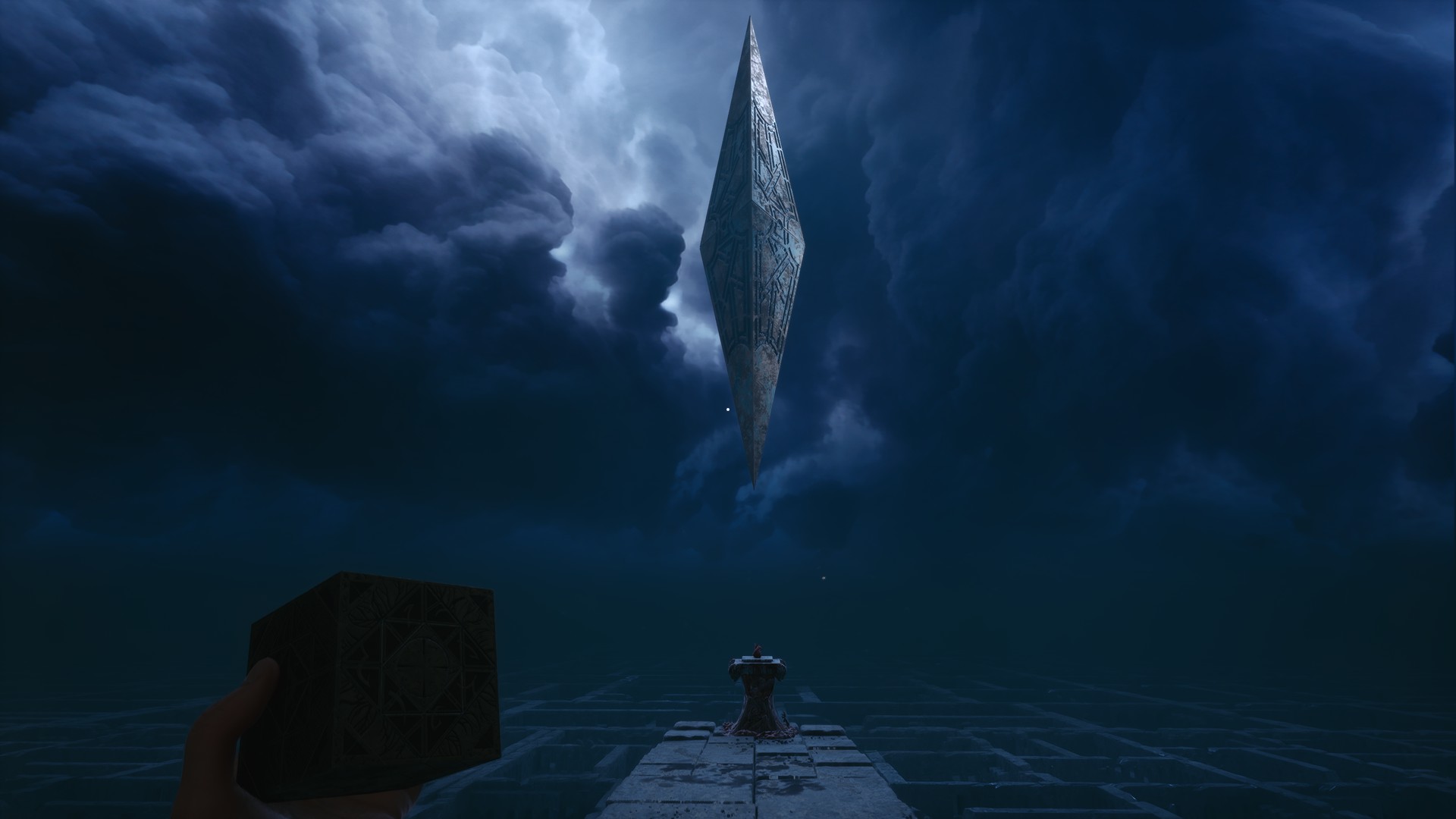
A4: When you’re developing the first-ever game in a well-known franchise, you have to be aware of the audience who will ultimately play it. This ranges from a die-hard survival horror player to a Hellraiser fan who doesn’t really play games but wants to experience the Labyrinth firsthand. We tried to bridge this gap and keep the gameplay familiar enough by drawing inspiration from industry standards set by the greats. Resident Evil, BioShock, Condemned, Outlast, Silent Hill, and many more games impact us as players first, developers second, and utilizing those standards with our personal twist pays respect to the games that came before ours. Inspiration comes from different places, and the outcome is usually a combination of the many experiences we go through. Sister of Mercy is partially inspired by a boss encounter from Disney’s Hercules on PS1, and that probably wouldn’t be where you would look for inspiration when working on a Hellraiser project.
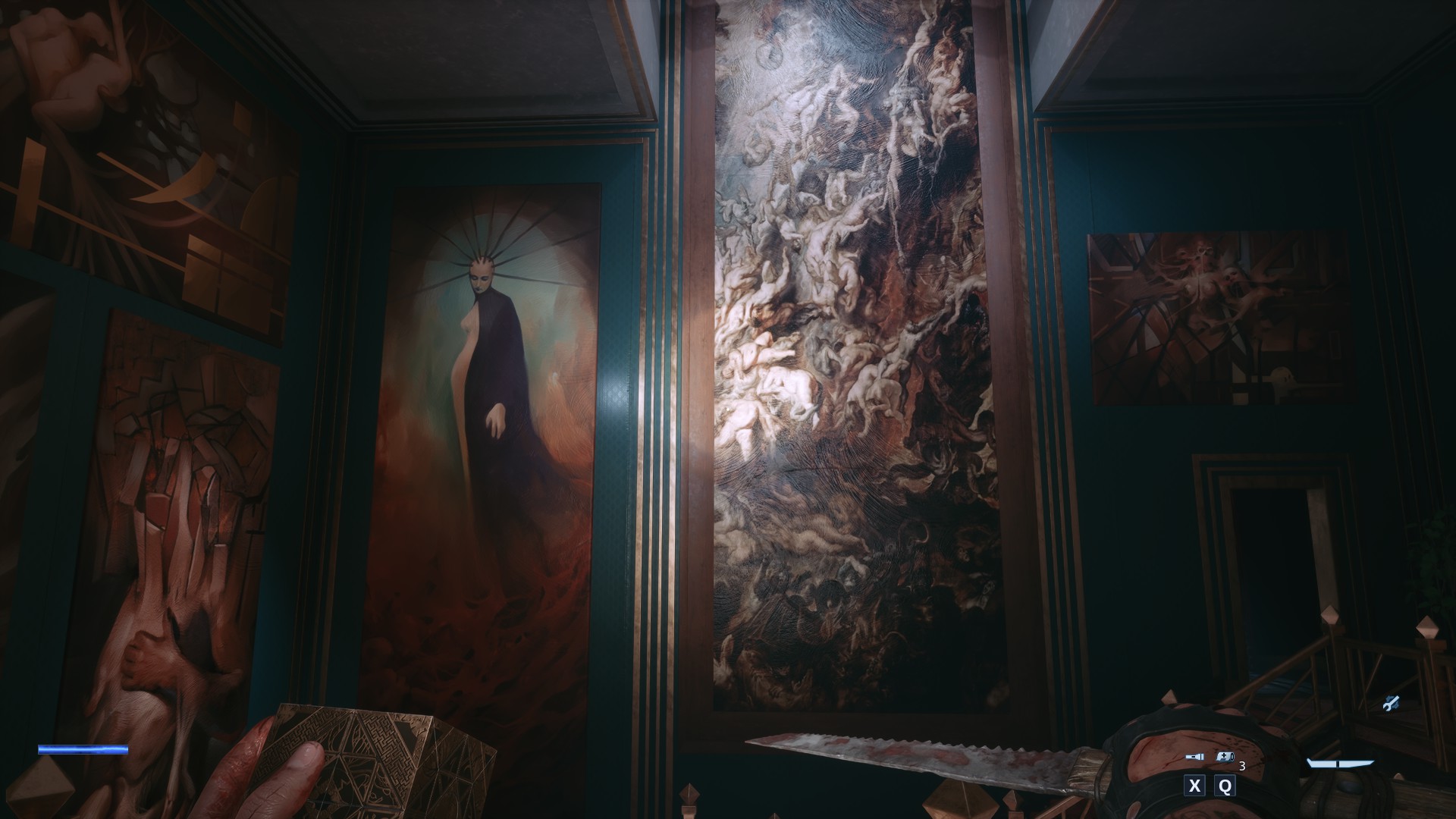
Q5: For me, one of the clearest signs of the creators' dedication is the level of environmental detail, and Revival is, to say the least, impressive in that regard. Multiple times while playing, I caught myself stopping just to study the paintings on the walls, the posters, small props, and the incredible visual variety that brings every room to life. How much effort went into that level of environmental storytelling, and how did the art team approach creating such a large amount of unique details that deepen the atmosphere?
A5: Throughout the game, we aimed to combine the beautiful and the grotesque. Due to the themes presented in the game, we knew there would be a lot of tricky assets, so we had to make sure that when those assets are put together, they convey a story. When you’re sneaking through a cultist compound, the environment you are going through should reflect its inhabitants. It needs to show their devotion to the cause, their influences, and the outcomes of their beliefs and actions. The only way to do this is to pay close attention to the details and to really think about the environment and how it’s being used. We looked at real-life references, analyzed the first two movies in great detail, and had many meetings that sounded probably a bit too morbid out of context. It’s kinda weird starting the day with a meeting about a urinal in a torture room, and whether one should be there, but through these conversations we managed to design the world, and we are really pleased it resonated with the players.
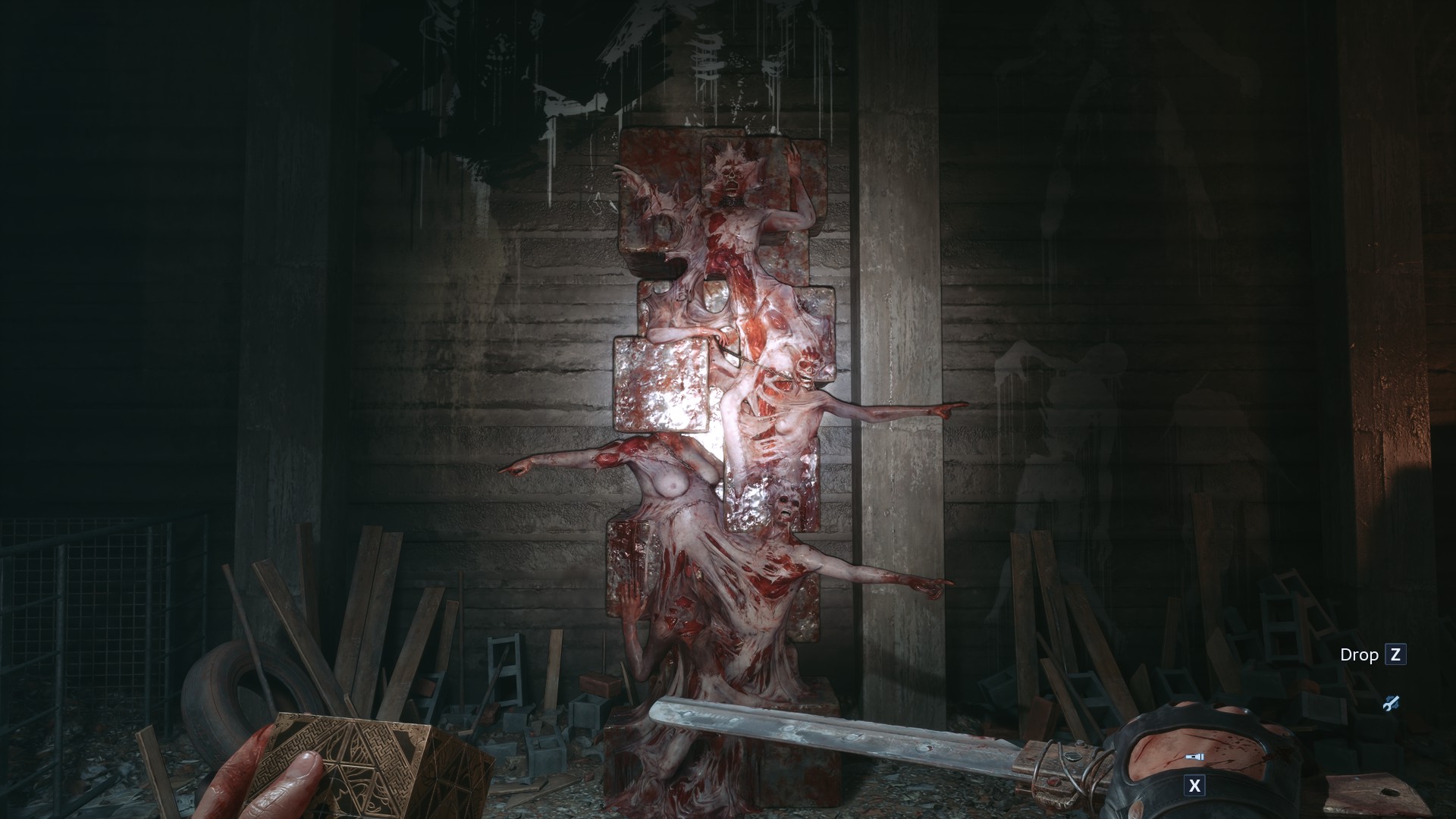
Q6: By mainstream gaming standards, Revival tackles exceptionally heavy, mature narrative themes, all framed within Clive Barker’s signature aesthetic where the boundary between pain, bodily grotesque, and dark allure is deliberately blurred. When pairing such a heavy thematic story with that extreme visual identity, what specific emotional or psychological state were you aiming to evoke in the player?
A6: We could probably bundle it all under a goal of activating the natural morbid curiosity. You have constant streams of gore, sex, violence, and emotional trauma represented through Aidan’s relationships with Sunny and the world. Hellraiser, as a medium, doesn’t rely on jump scares and sudden bursts of fear, but focuses more on psychological terror and the acknowledgment that we are creatures of sensation. Even though we feel disgusted, scared, repulsed, or aroused, occasionally some of those at the same time, we still persevere forward and try to find out what happens next. This curiosity connects Aidan to the player and allows them to experience these events through him.
Q7: Review scores and sales numbers are one thing, but a team’s internal goals are often completely different. When you look back at the whole process—from technical execution and staying true to Barker’s lore, to the reactions of the most demanding horror fans—what do you within the studio consider to be the biggest and most fundamental success of this project?
A7: We have shown that it’s possible to create a single-player narrative experience based on a horror movie, and that the audience will be there to support it. This project had its own unique hurdles, as many do, and we did our best to tackle them without compromising the vision. It was time for another Hellraiser story, and we found a way to tell it. Many franchises are waiting for a similar treatment, and we hope this accelerates that process.
Q8: It is no secret that Revival is a success, so we can't avoid the tricky part and not ask: is there a chance we will return to the Hellraiser universe once again?
A8: We genuinely love the Hellraiser universe, and there are so many dark corners of that mythology we’d love to explore further down the road. Right now, though, we are fully heads-down on supporting this release. Our immediate priority is listening to player feedback and refining this launch with post-launch content patch updates for all platforms. Once the dust settles, we’ll see what the future holds!
Thank you for your time and detailed answers. It is an understatement to say that you have people within Techplay who will look forward to your future projects. We look forward to future collaboration.

Discussion(0)