
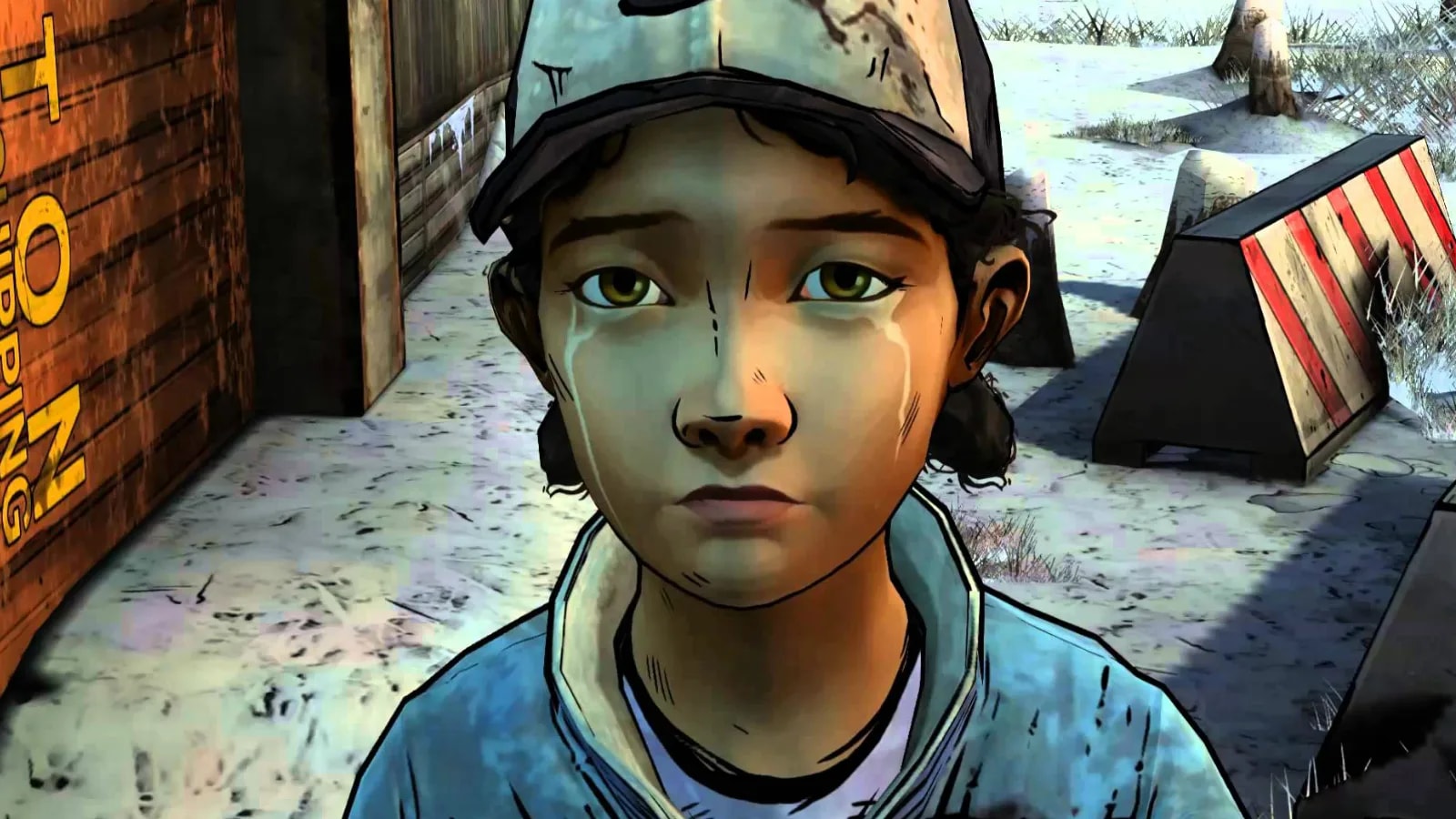
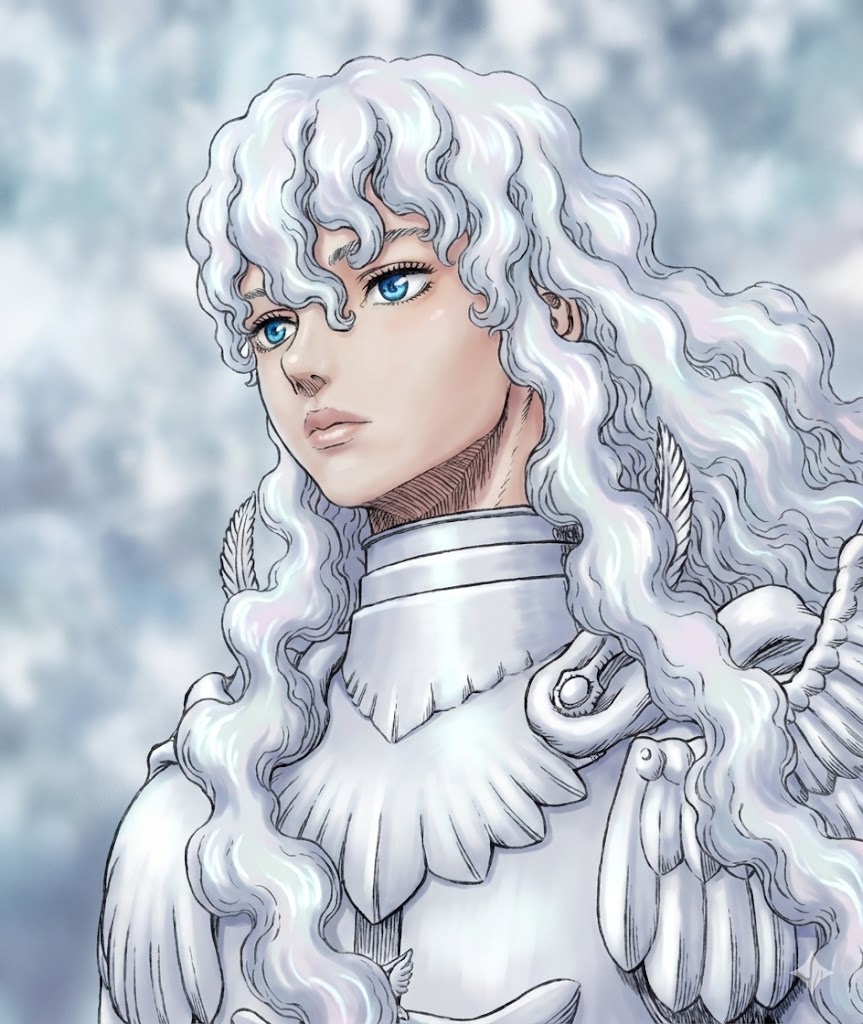
You probably know the drill: you open a digital store, looking for something new to play. You filter by genre and tell yourself, “I’m in the mood for a good RPG.” A second later, you’re looking at a massive list of games that have almost nothing in common—one is a first-person shooter with a skill tree, another is a tactical adventure, and the third is some kind of simulator.
All this confusion makes you look for something simpler, like a platformer. But as you scroll through the platformer list, you see 2D games like Super Mario, then a "roguelike" like Hollow Knight, and even some 3D puzzle adventures. It all leads to one conclusion: maybe the problem isn't the games; maybe it's the genres.
Genres are a logical concept that just doesn't work in gaming
It’s clear that as humans, we love to categorize everything. It helps us talk about complex ideas more easily. For example, instead of saying a game is about "killing entities from a first-person view while developing your character in different ways," we can just say it’s an "FPS with RPG elements," and most people will get it. The problem is the genres themselves—can anyone actually define what an RPG is? If we go by the literal meaning (Role-Playing Game), isn't every single game an RPG?
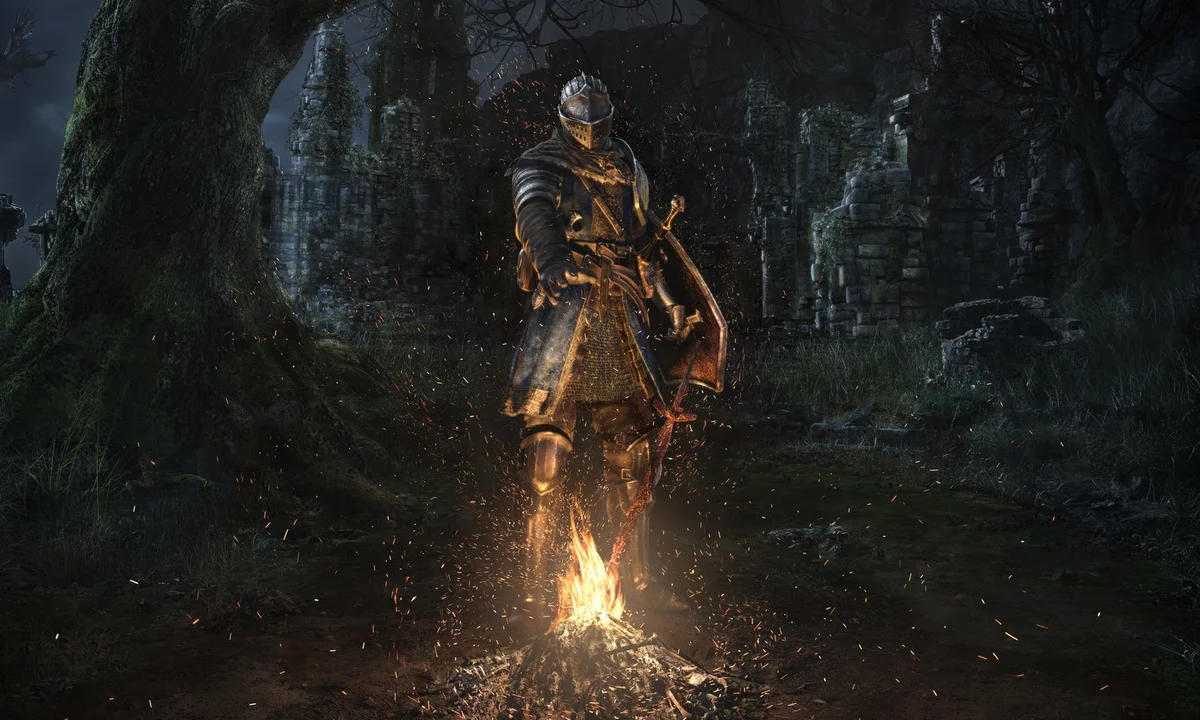
The main issue is that more and more games are combining different elements, making them hard to label. Because of this, we started inventing "subgenres." So, instead of calling both Disco Elysium and The Witcher just RPGs, we now call Disco an "isometric, narrative CRPG," while The Witcher is an "open-world, third-person, action-adventure RPG."
But even that isn't enough because it just creates more confusion, especially for new players. A description like that sounds more like a list of mechanics and camera angles than an actual genre. Imagine if you described a movie to someone as a “romantic drama with thriller and mystery elements, a sports-like pace, and well-developed characters.” It doesn't really work, does it?
Revolutionary games that create their own subgenres
Since there are so many games out there, we feel the need to create more subgenres to filter things better. When a game has a unique mix of mechanics and becomes successful, it becomes a subgenre of its own. The best example is Dark Souls and the "Soulslike" label. But even this doesn't solve the problem.
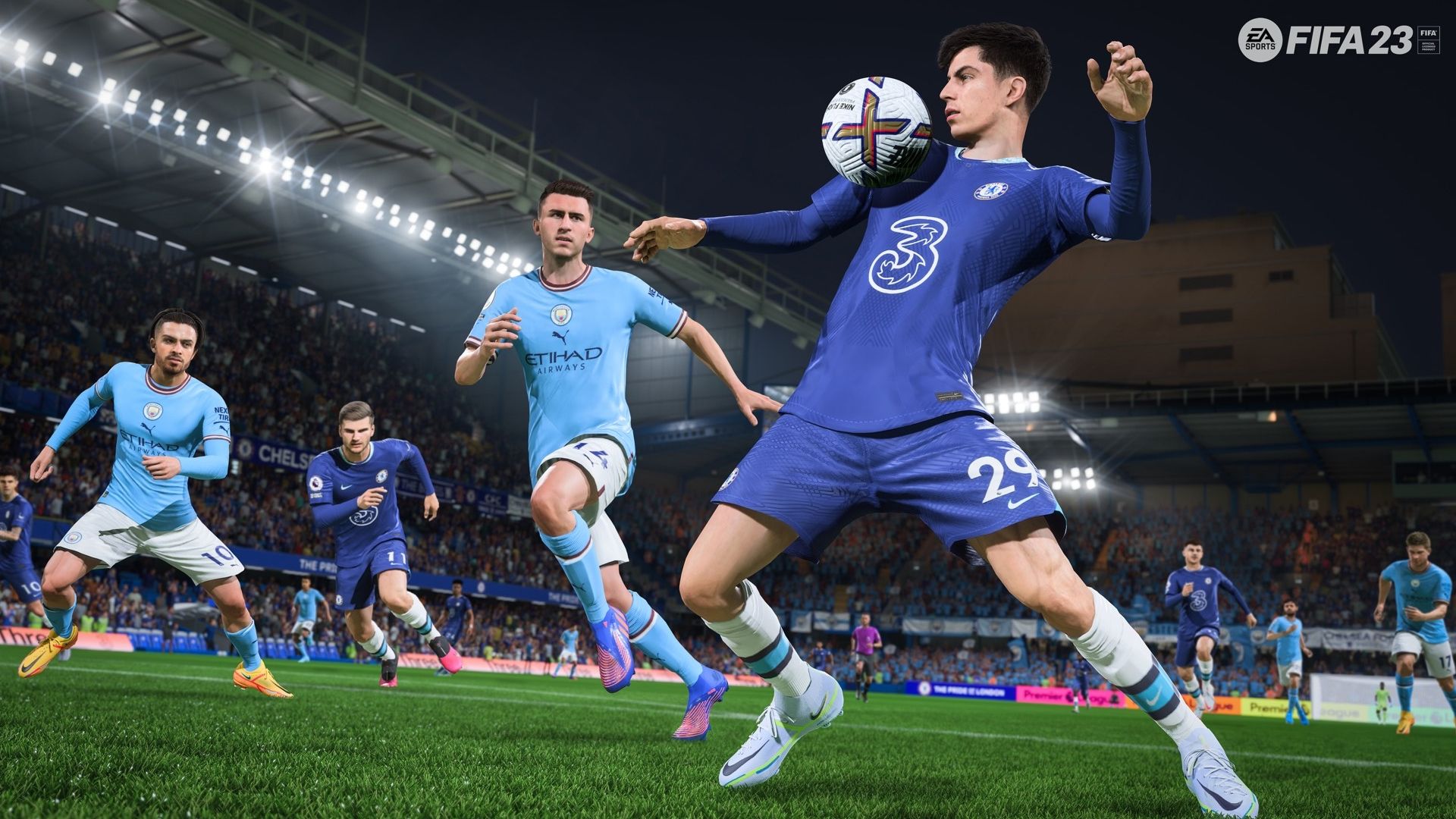
At first, "Soulslike" described games with stamina management, dodging, a "bonfire" system, and a high difficulty level. That worked for a while, but over time, we got games that only use one or two of those features. Now, "Soulslike" is used for Sifu, Elden Ring, and Tunic all at once. We’ve reached a point where even a specific subgenre loses its meaning because it's attached to projects that have very little in common with the original.
Then you have genres named after two different games, like "Metroidvania." How is someone who’s new to gaming supposed to know what that means? Especially when you consider that the original Castlevania wasn't even a Metroidvania (it was very linear), and many fans argue that a lot of Metroid games don't actually fit the "Metroidvania" description.

Discussion(1)