

As part of its ongoing internal restructuring, Ubisoft is placing a growing emphasis on generative AI tools as it looks to reshape how its games are developed in the years ahead. The publisher has framed AI as a way to support developers, streamline production, and create more responsive player experiences during a period of significant transition.
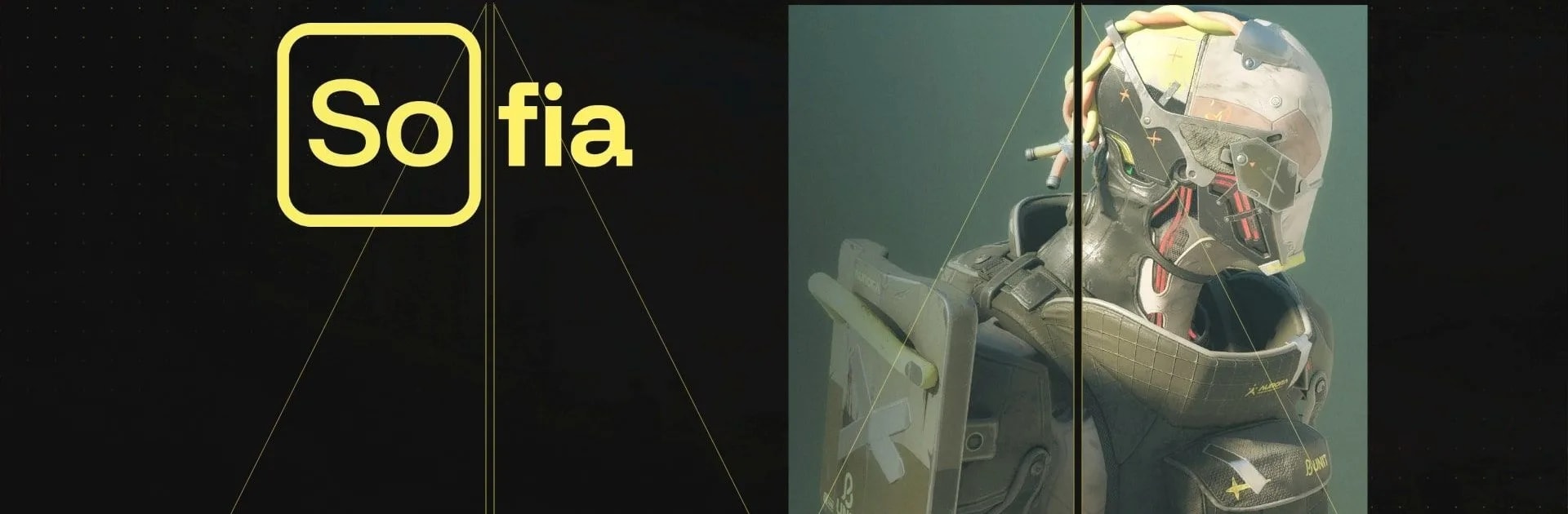
Company leadership has pointed to AI’s potential role in improving moment-to-moment gameplay rather than replacing creative teams outright. One example highlighted internally is Teammates, an AI-driven companion system designed to make non-player characters behave in more adaptive and believable ways. Ubisoft sees systems like this as a natural fit for its large-scale open-world and live-service projects.
The broader industry reaction, however, has been mixed. Some developers and analysts argue that AI works best behind the scenes, assisting with testing, animation, or iteration rather than directly shaping player-facing content. Others have raised concerns that leaning too heavily on generative systems could dilute the handcrafted storytelling and level design that players expect from major franchises.
Ubisoft’s renewed focus on AI comes at a sensitive moment. The publisher has faced criticism following several high-profile delays and cancellations, including the shelving of the Prince of Persia: The Sands of Time remake. Those setbacks have fueled questions about production pipelines, creative direction, and the sustainability of sprawling AAA development cycles.
By investing more heavily in AI, Ubisoft appears to be betting on flexibility and efficiency as it recalibrates its output. Executives have suggested that smarter tools could help teams iterate faster and reduce friction during long development timelines. Still, critics caution that technology alone cannot solve deeper creative or organizational issues.
Whether generative AI becomes a genuine advantage or a source of further tension will likely depend on how carefully Ubisoft balances innovation with human-driven design. For now, the strategy represents one of the publisher’s most closely watched experiments as it attempts to regain stability and confidence moving forward.

Discussion(0)