
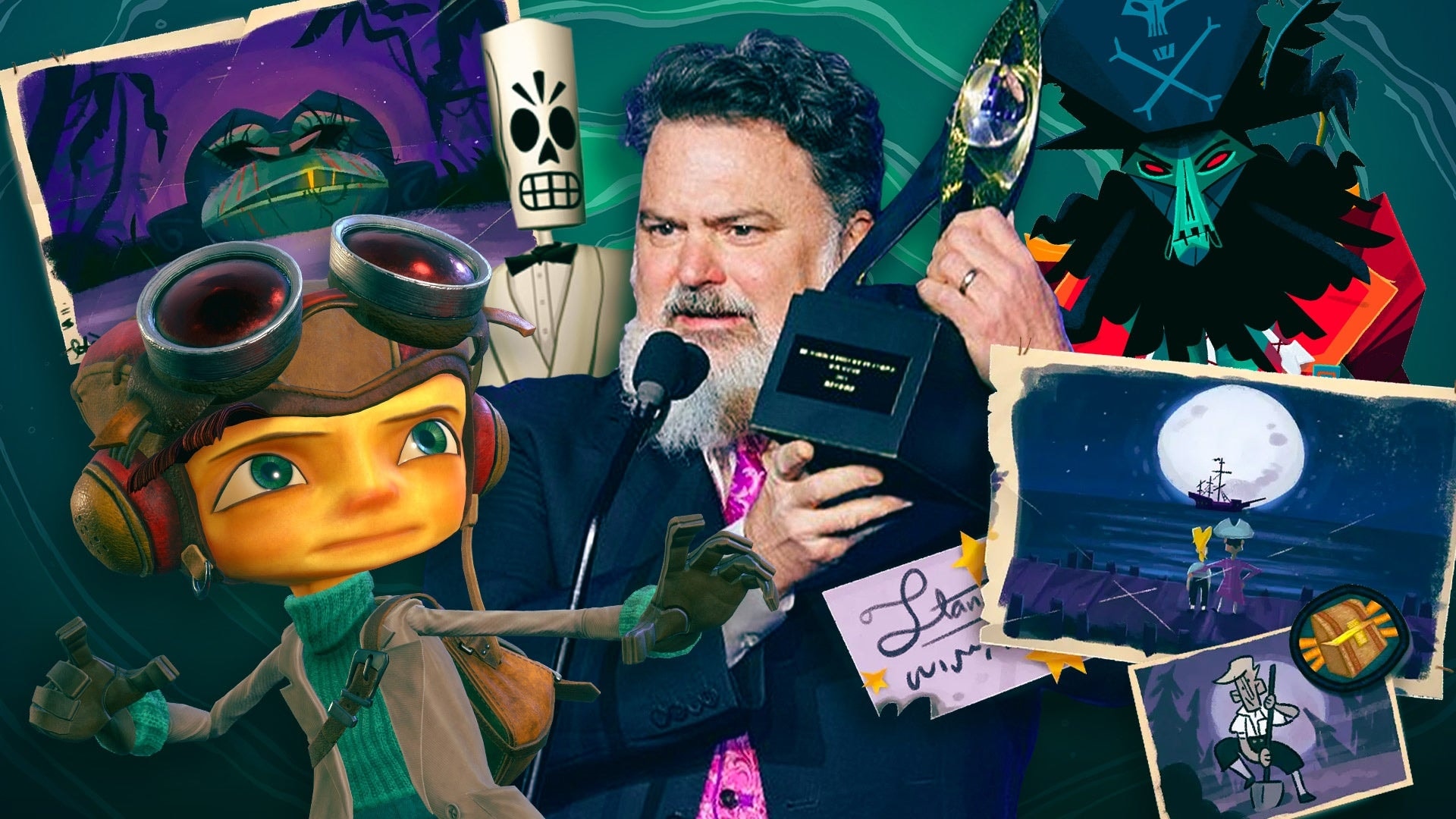
The crisis that has swept through the gaming industry for several years, costing thousands of people their jobs, shows little sign of slowing down. Now, legendary Double Fine Productions founder Tim Schafer has spoken openly about what he believes is behind the increasingly frequent wave of layoffs.
In an extensive interview with BBC News, conducted following Double Fine’s official departure from Microsoft and its return to full independence, Schafer reflected on the increasingly strange economics of the video game business, the fight to keep his own studio alive, and the differences between high-budget AAA development and the indie scene.
From closure rumors to the fight for independence
Double Fine’s return to independence was far from a simple process.
Schafer admitted that the studio initially had no idea Microsoft was considering shutting it down as part of a broader restructuring effort. The team only became aware of the possibility after rumors began circulating online.
Once those rumors proved to be accurate, Double Fine decided to take matters into its own hands.
Rather than allowing a studio with such a distinctive history, culture and creative identity to disappear, the team entered negotiations to separate from Microsoft and regain its independence.
According to Schafer, Double Fine has always been difficult to “kill” because the studio possesses an unusually strong will to survive.
He also believes the company occupies a rare position in the AA development space, capable of producing smaller, unconventional projects such as Thank You Bus Driver while also delivering higher-profile releases like Psychonauts 2.
Why the hire-and-fire cycle no longer works
Speaking about the broader state of the industry, Schafer admitted that he no longer fully understands the economics behind modern video game development.
For years, the industry followed a relatively familiar cycle. Studios would go through layoffs, executives would eventually realize they needed developers for upcoming projects, and hiring would begin again.
That cycle would create the familiar ups and downs of the games business.
This time, however, things appear to be different.
The industry has now been dealing with an almost uninterrupted wave of job losses for roughly four years.
At the same time, the number of people playing video games remains extremely high and the industry continues to generate enormous amounts of revenue.
Because of that disconnect, Schafer suggested that declining player interest is not the primary reason behind the ongoing layoffs.
Instead, he believes corporate greed has played a major role.
“Someone, somewhere got greedy,” Schafer said while discussing the current state of the industry.
In the AAA sector, developers can find themselves facing layoffs shortly after completing a major project, creating an environment defined by uncertainty, pressure and instability.
Independent studios face a different type of risk. Without the financial backing of large publishers, a disappointing launch can quickly leave a smaller developer without enough funding to continue operating.
Passion despite the lack of job security
Despite the difficult conditions, Schafer believes creativity within the industry is far from dead.
Developers and artists rarely enter the games business because they expect stability or an easy lifestyle. Instead, many are driven by a deep passion for creating games and by the feeling that this is the work they genuinely want to dedicate their lives to.
That passion, however, does not eliminate the growing pressure created by an increasingly unstable job market.
Schafer expressed hope that the current trend will eventually reverse and that the video game industry can become a more sustainable place for the people who create the games millions of players enjoy.
His goal is to see an environment in which creative teams can focus on building new worlds and new ideas without constantly worrying about losing their jobs or being unable to provide security for themselves and their families.

Discussion(0)