
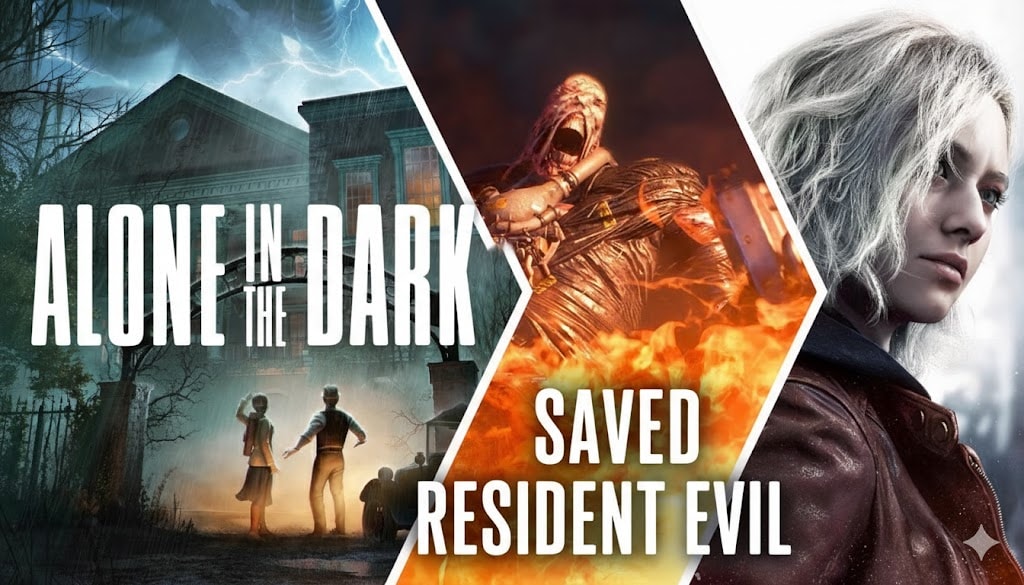

The trilogy’s legacy is built on its atmospheric storytelling and Lovecraftian themes, centering on private investigator Edward Carnby as he explores the haunted Derceto Mansion. While the mechanics may feel dated to contemporary players, the fundamental elements, resource management, environmental puzzles, and a constant sense of vulnerability, remain the cornerstone of the survival horror identity. These games moved away from the high-action tropes of the era, focusing instead on the psychological weight of the unknown.
For a limited time, the foundational trilogy that inspired Capcom’s billion-dollar franchise is being made available to a new generation of players. Digital storefront GOG is currently offering the original Alone in the Dark trilogy for free, providing an opportunity for fans to experience the genre's roots. This giveaway serves as both a preservation effort and a reminder of the industry’s interconnected nature, where one studio's creative risk becomes another’s gold standard.
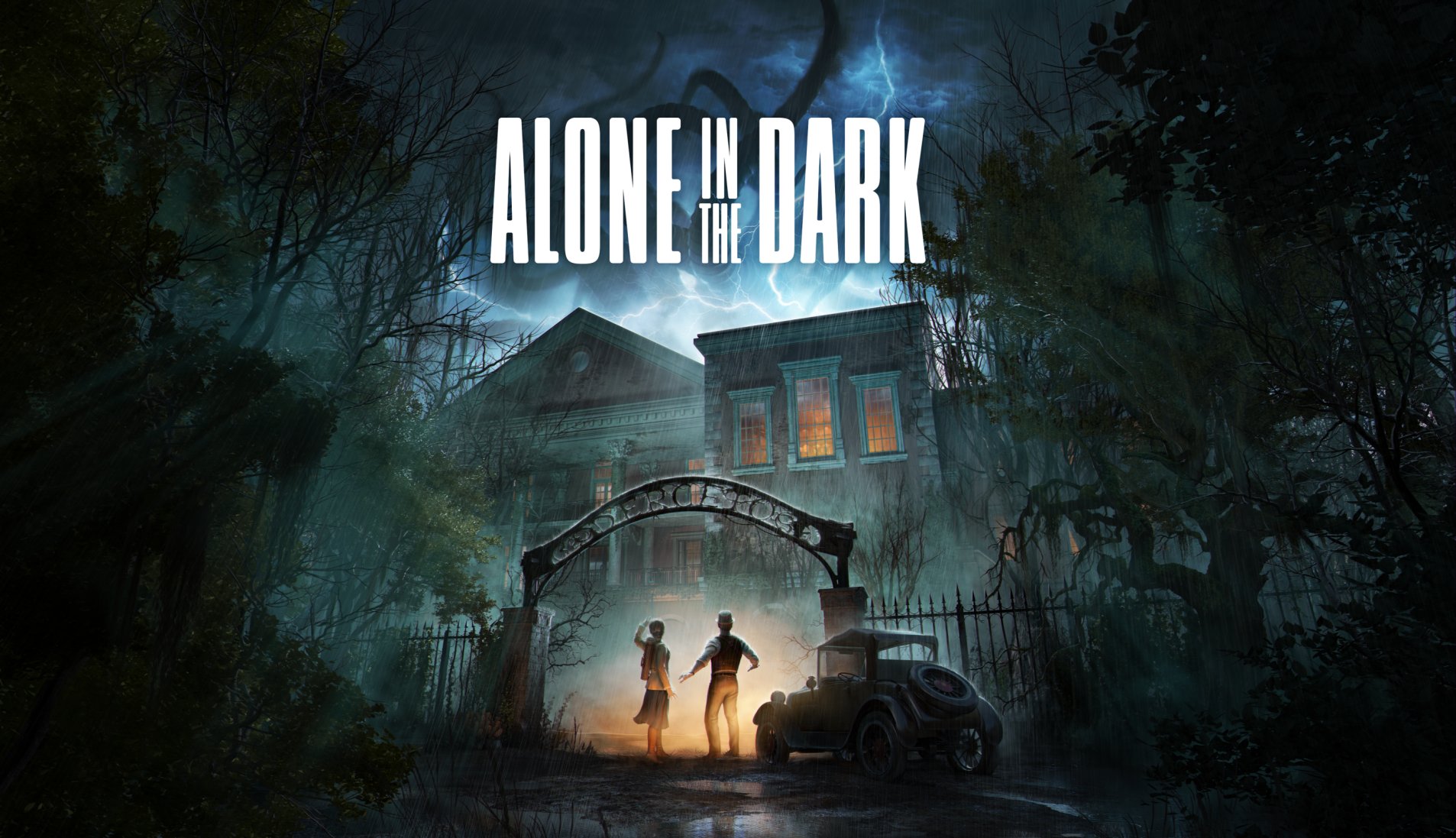
As the industry continues to move toward hyper-realistic graphics and immersive first-person perspectives, returning to the fixed-camera roots of Alone in the Dark offers a unique lesson in game design. It highlights how technical constraints can often lead to the birth of entirely new artistic languages. By revisiting these titles, players can witness the exact moment the survival horror genre found its pulse, long before it became a staple of mainstream entertainment.

Discussion(0)