
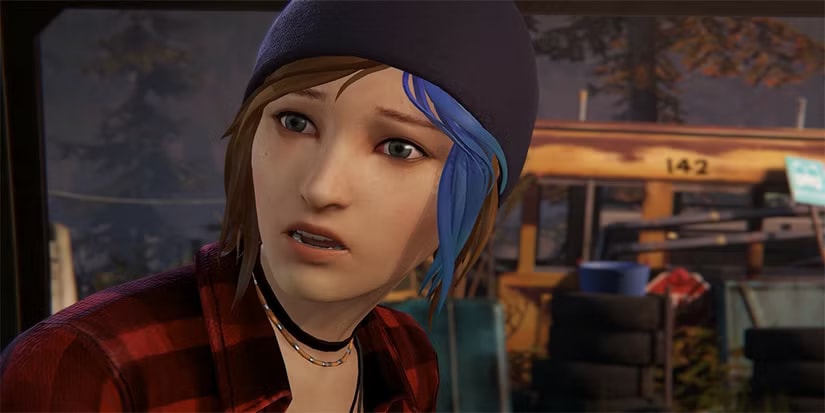

The first hour problem in gaming
"We’ve all been there: you wait for a game for months, install it, fire it up, and then—an hour later—you realize it’s just not "it." The graphics are great, the story seems okay, but something is off."
We’ve all been there: you wait for a game for months, install it, fire it up, and then—an hour later—you realize it’s just not "it." The graphics are great, the story seems okay, but something is just missing. The point of this text is to discuss the crucial importance of the first hour of play. In an era of short attention spans, that first encounter is what decides the game’s fate.
The rift between expectations and reality
The idea for this text came from a conversation with a friend who had an interesting take. He told me he quit Red Dead Redemption 2 within the first hour because the game wasn't anything like what people were saying. He wasn't even talking about the quality, but the fact that he didn’t get a massive open world to explore right away—instead, he got a slow, linear experience that felt like watching a movie.
What I’m trying to show here is the gap between a player's expectations, built on the hype they hear from others (like RDR2 being the "ultimate open world"), and the reality they actually face in that first hour. Does that mean RDR2 has a bad start? Not at all, but it is drastically different from what the rest of the game offers.
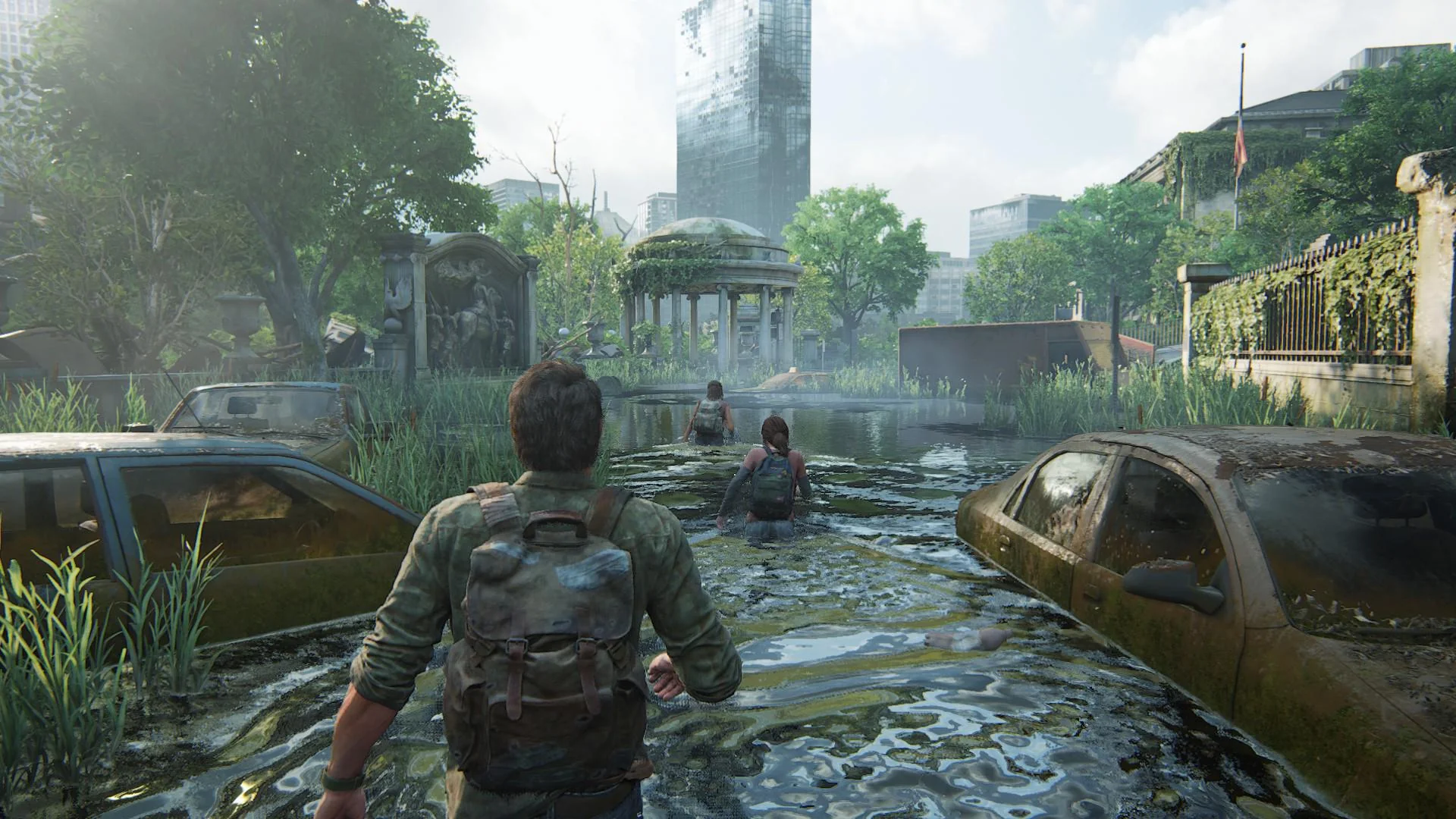
The Last of Us starts in a similar way—it's slow and puts the story first—but that beginning actually matches what the rest of the game is about. This comparison is just to show how an intro that doesn't meet our expectations (like a linear start to a non-linear game) can lead to instant disappointment.
Information overload
As a total contrast to Rockstar’s slow, "cinematic" intro, you have FromSoftware and Elden Ring. There are no long cutscenes explaining who you are or why you’re there, no flood of dialogue, and the tutorial is basically hidden for those who want to find it themselves. After just a few minutes, the game literally throws you out of an elevator and into the open world. The first thing you see is the massive expanse of Limgrave and a brutal boss (Tree Sentinel) patrolling the road. The message is crystal clear and, above all, honest: The world is huge, dangerous, and it won’t wait for you. Figure it out.
On the other side of the spectrum are games that bombard you with information in the first few hours, which usually just scares off people who are new to the genre. This is a common problem in complex genres like JRPGs or strategies. Sometimes it’s a pushy tutorial that buries you in text boxes, explaining even the most basic mechanics while distracting you from the game itself.

The first hour as a tool
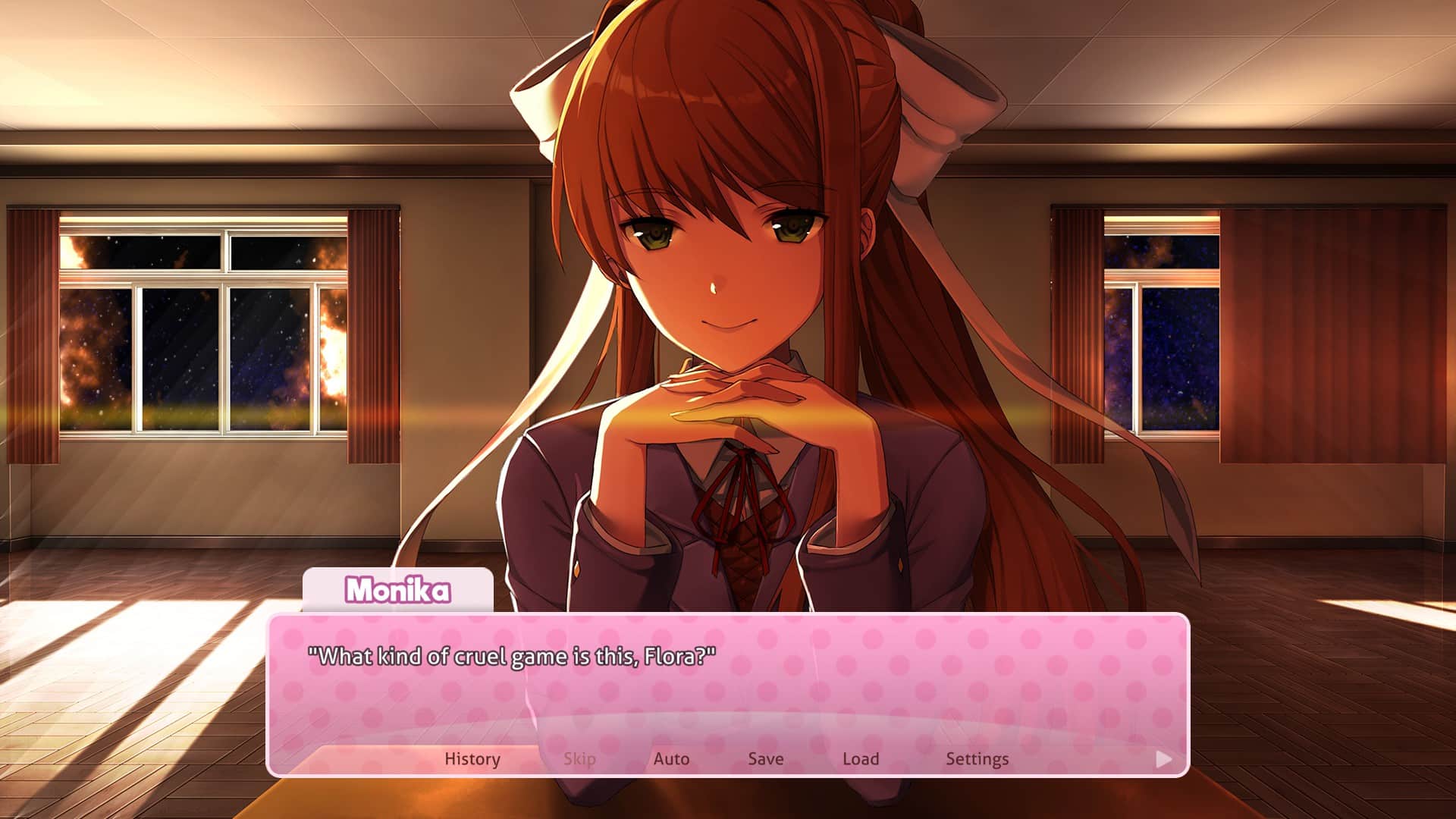
There’s also a special approach where the first hour is used for the narrative, specifically to create false expectations. It’s about making the player feel safe so that the eventual twist hits harder. Doki Doki Literature Club is the perfect example. It starts as a generic, clichéd dating sim and then flips into a total psychological horror. Similarly, NieR: Automata starts as a top-down shooter, which has almost nothing to do with the deep action RPG that follows. The developer is setting the tone right away: Expect the unexpected.
Conclusion
In the TikTok era, where everyone has a shorter attention span, the first hour has become the most commercially important hour in gaming. Add to that the fact that platforms like Steam offer refunds for games played less than two hours, it's clear that first impressions aren't just about art anymore – it's about financial survival.
All the games I mentioned are high-quality, and I only used them as examples of different intro designs. RDR2 and Elden Ring aren't "good" versus "bad" starts; they’re just two extremes. One asks for patience and immersion, while the other demands immediate action and trusts the player. The Last of Us and Doki Doki show how an intro has to serve the story, whether it’s being honest or intentionally misleading.
The problem with the first hour is about sending the right message. It’s up to the developer to decide the pace, but they have to deliver that message in a way that sticks. Because no matter how much genius is hidden in the later hours of gameplay, if the start is handled poorly, most players won't even get there. In the first hour, the game has to sell itself; after that, it can actually live.
Stay Connected
Follow us for the latest gaming news and updates
© 2026 TechPlay.gg•All rights reserved. Content sharing is permitted only with a mandatory active link to the original source.
Unauthorized use of text, photos, or video is prohibited.
Share this article
About Nenad Divljaković
A hyper-critical columnist with a deep-seated love for philosophy and obscure games, perpetually seeking meaning in both narrative and mechanics. He values experiences that pose more questions than they provide answers—especially when delivered through sharp dialogue and innovative design.
View Full Profile
Discussion (0)
Join the conversation
You must be logged in to leave a comment, like posts, and earn community XP.
Loading discussion...