

TechPlay
Discover
Feed
Games
Community
Tools
Shop
Sign InJoin TechPlay
TechPlay

Your home for gaming news, honest reviews, release dates, and a community that actually cares about games.

Join our DiscordTalk games with the community
  • About Us
  • Contact
  • Advertise With Us
  • Media Kit
  • Our Rating System
  • Roadmap
  • Shop
  • Support Us

© 2026 TechPlay

PrivacyTermsCookiesImpressum
RSS

Made by Luminor Solutions

We value your privacy

We use cookies to enhance your browsing experience, serve personalized content, and analyze our traffic. You can choose to accept all or customize your preferences. Read our Privacy Policy and Cookie Policy.

NewsOpinionsThe Downfall of a giant – what the hell is going on with Ubisoft?
The Downfall of a giant – what the hell is going on with Ubisoft?
Opinions

The Downfall of a giant – what the hell is going on with Ubisoft?

Nenad Divljaković
By Nenad Divljaković
Loading...5 MIN READ
CATEGORY:Opinions
SHARE:

“What the hell is going on with Ubisoft? The answer is a mix of bad management, relying too much on old formulas, and the inability to adapt to new player expectations. The former giant that dictated t”

If we went back 15 years, we would remember a time when the French company Ubisoft was mostly getting praise, and everyone was hyped for their next projects. This French giant was a "master of its craft," both financially and in terms of quality and influence on the industry. Nintendo’s The Legend of Zelda: Breath of the Wild is basically just a polished formula we already saw in Assassin’s Creed games, and we all know how critically acclaimed that game was.

Today, Ubisoft is a symbol of bad industry trends—mass layoffs, delays, failed projects—and one of the main enemies of players because they practice everything people hate. A recipe for disaster, some would say, and they wouldn't be wrong. That’s why we need to answer the question: what is actually happening with Ubisoft and how deep is the hole they’ve fallen into?

Masters of "hype"

I didn't plan for this text to go through every single bad decision or controversy related to this company—mostly because it would be way too long. However, I have to mention something that is now part of Ubisoft's DNA: bombastic marketing.

You probably all remember the Watch Dogs gameplay trailer from E3. The game looked amazing, and we all thought a modern GTA-like game was coming to take the crown from Rockstar’s franchise. That didn't happen, but Ubisoft kept throwing around numbers about how Watch Dogs broke all sales records and sold over 10 million copies. Constantly mentioning big numbers became their thing—or at least, it used to be.

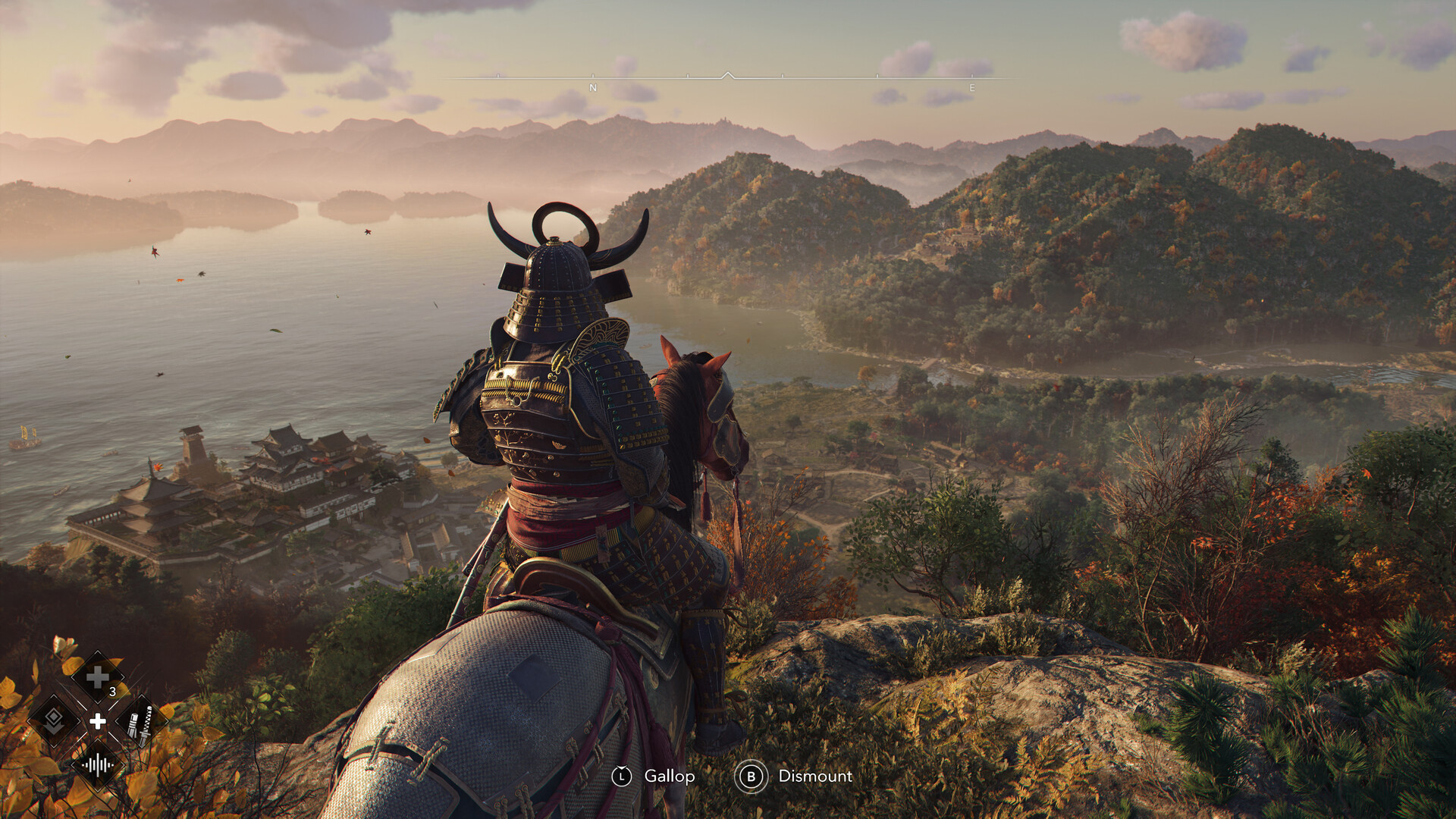
The long-awaited Assassin’s Creed set in Japan was finally announced. Two protagonists, a mix of old and new features, and many other promises arrived immediately. Ubisoft did the "most Ubisoft thing ever" and pushed the hype to the max, as if GTA VI was coming out. Shadows was released, got solid reviews from both critics and players, and then a financial report came out where—you guessed it—we didn't get actual sales data.

What we did find out is that Shadows is Ubisoft's second-best game ever in terms of "engagement." Nobody really knows what "engagement" means here, but it’s very likely not about sales. If the project was actually a huge financial success, they would be shouting it from the rooftops. Personally, I think Shadows sold much better than Mirage, and one key reason for that relative success is our next topic—delays.
Don’t do today what you can leave for 2027

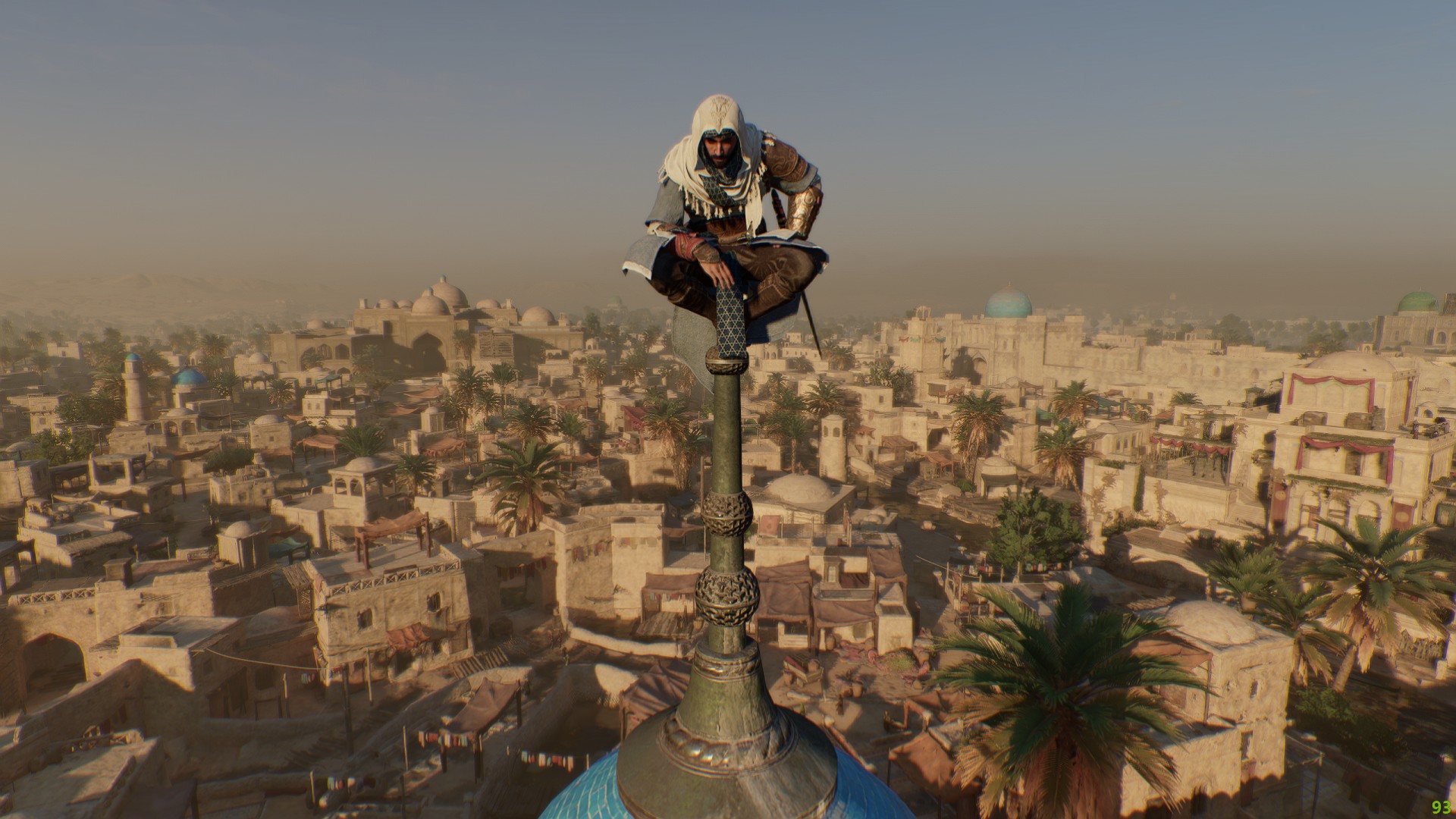
You could say that the only step in the right direction is a small change in policy: they stopped "pumping out" games every year. The seventh Far Cry game is delayed until at least late 2026, which usually means 2027. AC: Hexe, which was originally supposed to come out in 2022, is now moved to 2027.

These two examples are generally positive, but on the other hand, we have games like Sands of Time. It was supposed to come out in January 2021, and now it’s moved to August 2025. This kind of practice makes players feel uncertain and leads them to seriously doubt any project that isn't from the main Prince of Persia series.

It’s clearly not the most professional way to do business, but hey, speaking of business, we know what goes best with work in a modern system—layoffs. To nobody's surprise, Ubisoft is a leader in the industry when it comes to firing people. The best example is the fact that since September 2023, in just eight or nine months, they fired over 3,600 permanent workers and replaced them with short-term staff. Of course, this isn't exclusive to Ubisoft or the gaming industry, but it’s a negative trend for many reasons. In terms of quality, imagine constantly changing workers on a very complex project while release dates don't mean anything anyway—it's a recipe for chaos.

More problems…

Before we finish, it’s worth mentioning a few more factors. Their game design is stuck: open worlds in titles like Assassin’s Creed, Far Cry, and Watch Dogs feel more and more predictable and repetitive. The formula that was once revolutionary is now stale, leading to player fatigue and criticism over the lack of innovation.

On top of that, Ubisoft’s attempt to enter the world of NFTs with the Quartz initiative was a huge fail. The blockchain system for in-game items faced heavy resistance from players and critics. Most people saw it as a quick cash grab rather than an improvement to the gaming experience. This move further showed the gap between what Ubisoft thinks and what players actually want.
Where is the bottom?

What the hell is going on with Ubisoft? The answer is a mix of bad management, relying too much on old formulas, and the inability to adapt to new player expectations. The former giant that dictated trends is now struggling to keep up, let alone innovate. Loud marketing can no longer hide the lack of quality or products that don't meet expectations.

Delays like the ones for Sands of Time or Hexe might be an attempt to fix quality, but they also send a message of insecurity and a loss of trust. Mass layoffs and replacing experienced developers with cheaper labor further destroy the foundations Ubisoft once stood on. How can you expect a top-tier product from a team that is constantly changing and working under the pressure of unstable deadlines?

The bottom of the abyss isn't necessarily bankruptcy—Ubisoft has enough resources to survive for a long time. But if they stay on this path, the end could be a total loss of identity and relevance. Players today want more than recycled mechanics and empty promises—they want passion, innovation, and respect. Until Ubisoft realizes they can't just live on nostalgia and hype, they will keep sinking. The question isn't whether they will fall, but if they will ever rise again.

Add TechPlay.gg as a preferred source on Google

See more of our gaming news, reviews and guides when you search for the latest gaming topics.

Stay Connected
Tags:OpinionsGaming
Share:
Nenad Divljaković
The AuthorNenad Divljaković

A hyper-critical columnist with a deep-seated love for philosophy and obscure games, perpetually seeking meaning in both narrative and mechanics. He values experiences that pose more questions than they provide answers—especially when delivered through sharp dialogue and innovative design.

View Author Page →
Follow Us

Discussion(0)

Loading discussion…

Popular now

Upcoming releases

Full calendar

Community Discord

TechPlay

Official server

  • News the moment it publishes
  • Giveaway pings before they close
  • Squads, LFG and the editors
Join Discord