
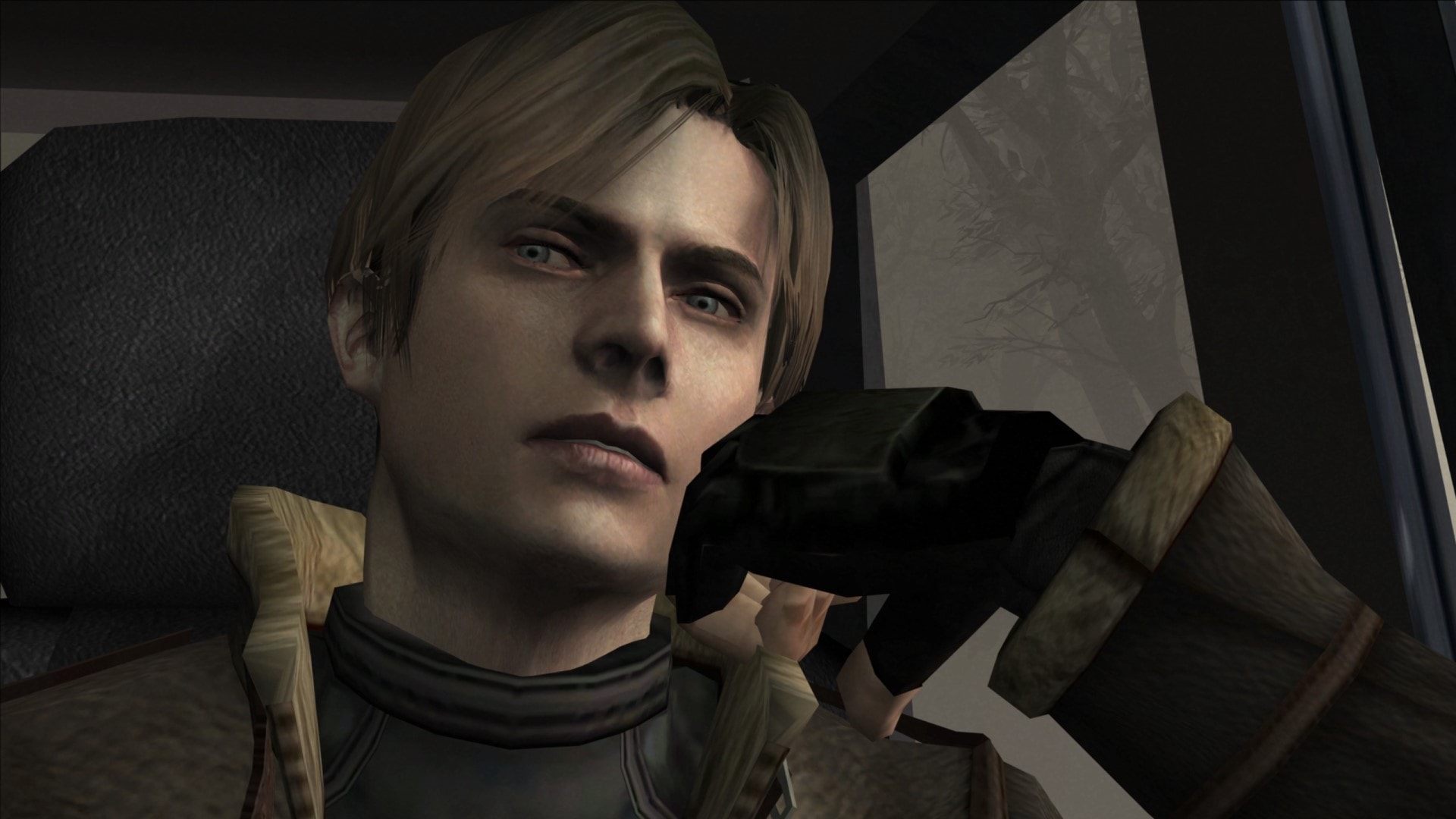

Long ago, I wrote a text about how video games are, for me, the ultimate art form of infinite potential and how art is timeless; I have always had a certain amount of skepticism toward any attempt to deliver a work that is the product of another time in some newer form and thus bring it closer to the general masses, because the substance and essence of a work that remained etched in both history and people's minds are often lost in that process.
Since I start from the position that video games are art, artistic integrity—that is, fidelity to the original material—is extremely important to me in the whole process, which is completely ignored in this phase of utterly wild capitalism and consumerism. Not every change that brings something closer to established design norms is necessarily good, and we must not ignore the concept of authorial intent, because someone made something with the idea that it should look a certain way for a good reason. We must not look at (older) games as something that was good "for its time" and cannot measure up to modern products. If that were the case, would they then just be toys that serve exclusively for entertainment and have a short shelf life?
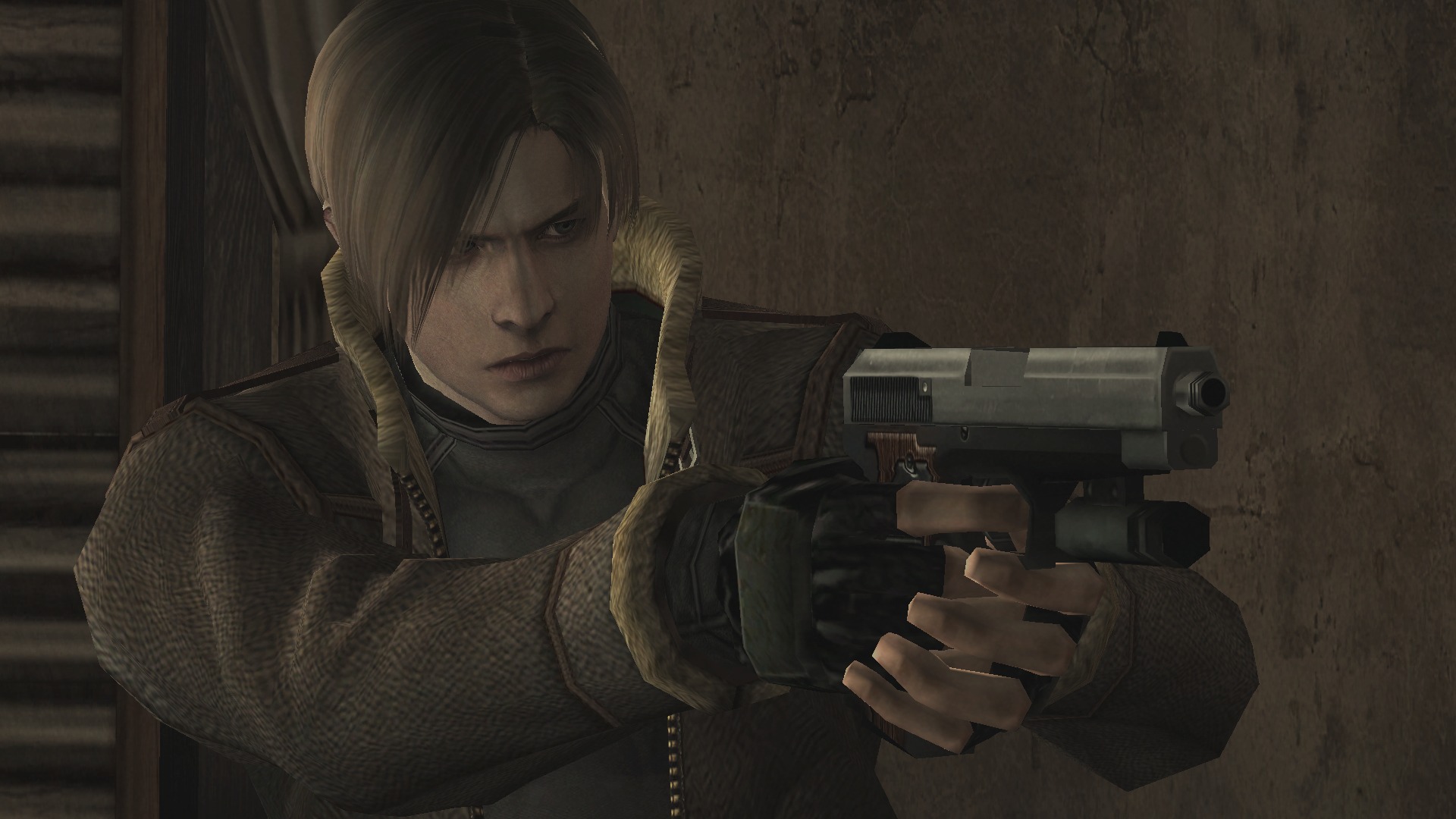
Tank controls are not a legacy of some bad old time
Back when RE4:R was announced, one thing was certain—the controls would be changed. A control system where movement is relative to the character's position rather than the camera angle has remained tied to an older time, but not a bad one. We must understand one thing—the year 2005 was not the Stone Age in the context of gaming, and developers even then knew about full 3D movement where movement is tied to the direction in which we push the analog stick relative to the camera; therefore, the conclusion suggests itself that tank controls are a product of the initial idea, not a limitation of the time.
Although it might not seem so at first, changing the control scheme triggers a chain reaction of necessary changes, because it first changes the balance of the entire gameplay, and changing the gameplay balance requires a change in enemy design, and enemy design causes a change in level design, and so on. The greatest strength of the original RE4 is that it was such a cohesive whole, brilliantly designed around a fundamentally good risk-reward system whose depth we will be exploring.
Shoot, kick, slash!
What sets Resident Evil 4 apart from every other game (except partially the fifth one) is its beat 'em up gameplay. Combat essentially represents a not-so-complex, yet extremely precise and fun risk-reward system that is brilliantly supported by excellent enemy and level design, along with perfectly timed introductions of new enemies and weapons, making it highly suitable for replaying.
In modern games, freedom of movement often masks mistakes in positioning. Due to tank controls, positioning plays a major role in every encounter. Specifically, you must always ensure you are far enough from the group approaching within your field of vision to have enough time to deal with them, and then turn around and handle the group behind you. In the original, the zombies behave according to a list of traits that we all automatically attribute to these creatures the moment we think of them. They move slowly and have a tendency to speed up during your reload or randomly if they are too far away, but their fast walk stops once they get close enough, which in itself leaves enough time to react. Therefore, crowd management is extremely important.
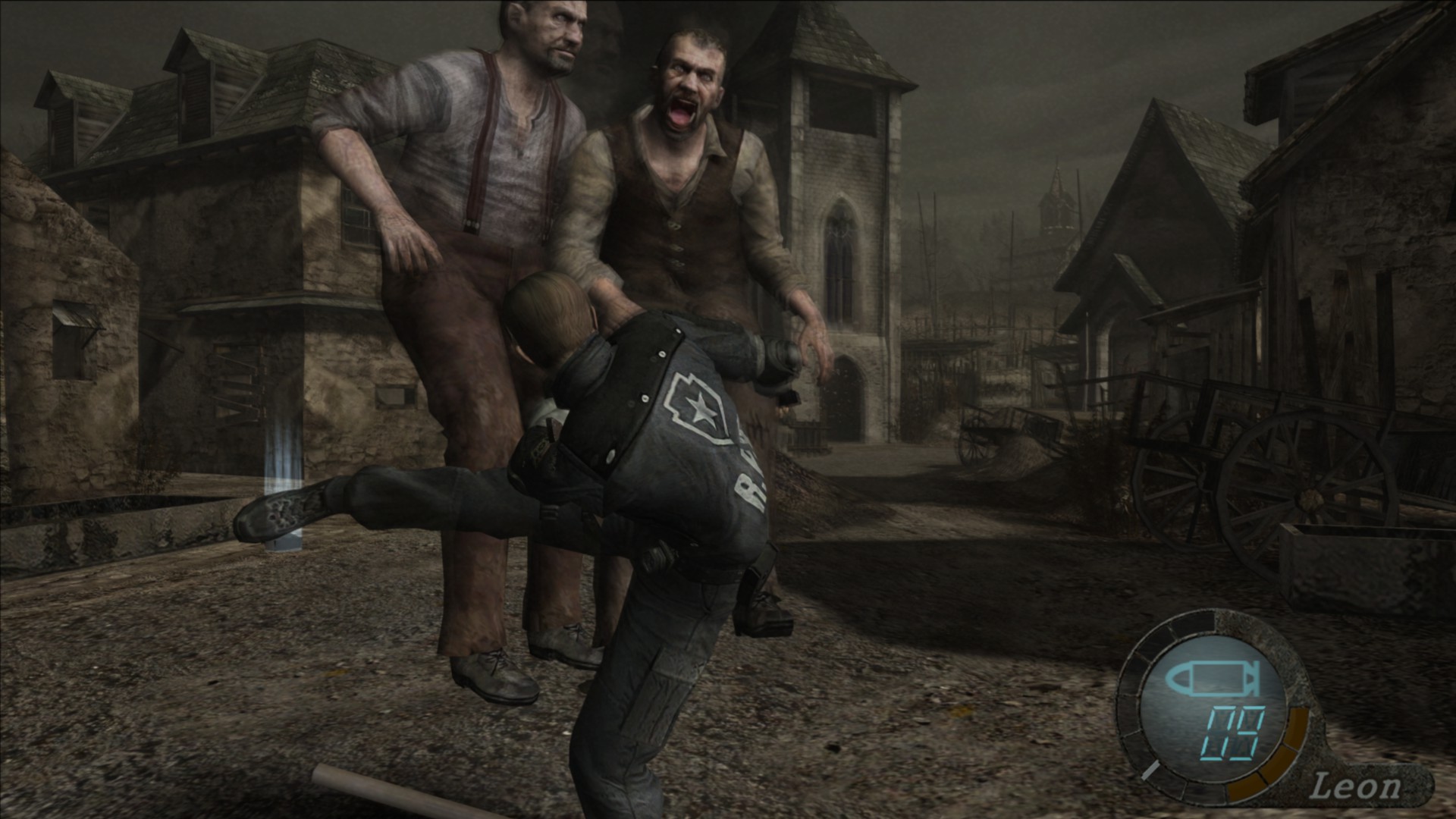
The second component of this spatial-rhythmic system is the shooting. Contrary to conventions, headshots are not necessarily the most efficient way to fight due to limited resources and many situations where you are surrounded by small groups. This is where the beat 'em up nature of this project comes into play; a skilled player reduces combat with groups to a few steps: shoot the leg, knock enemies down with a kick, finish them off with the knife, repeat. In this way, if you know the core mechanics well enough, you can get out of situations where you are backed into a corner using only a handgun, at the cost of some HP. A perfect risk-reward trade-off. This beat 'em up nature is also evident in the invincibility frames Leon has during every environmental interaction animation.
The death of the arcade style led to a chain of problems
By understanding the fundamentals of the original, we can understand how the Remake fell into a vicious cycle of problems, where solving one only opened up new ones until it finally arrived at a semi-functional formula. Let’s start with the controls – by changing them, Leon gains immense flexibility in his movement and crowd control. Practically, all the weight of positioning and the tension of being attacked from all sides are lost due to the ability to turn quickly and change positions. This would turn Resident Evil into a standard shooter, and we all know how that would end.
Next in the line of changes are the enemies – as slow as they are in the original, they would be nothing more than slightly moving targets, and we don't want that. The Ganados are now several times faster and more aggressive, and now our Leon—who is in his prime and a Raccoon City survivor—seems helpless in situations where there is nowhere to run and when he is backed into a corner; and we know such situations make up a large part of RE4.
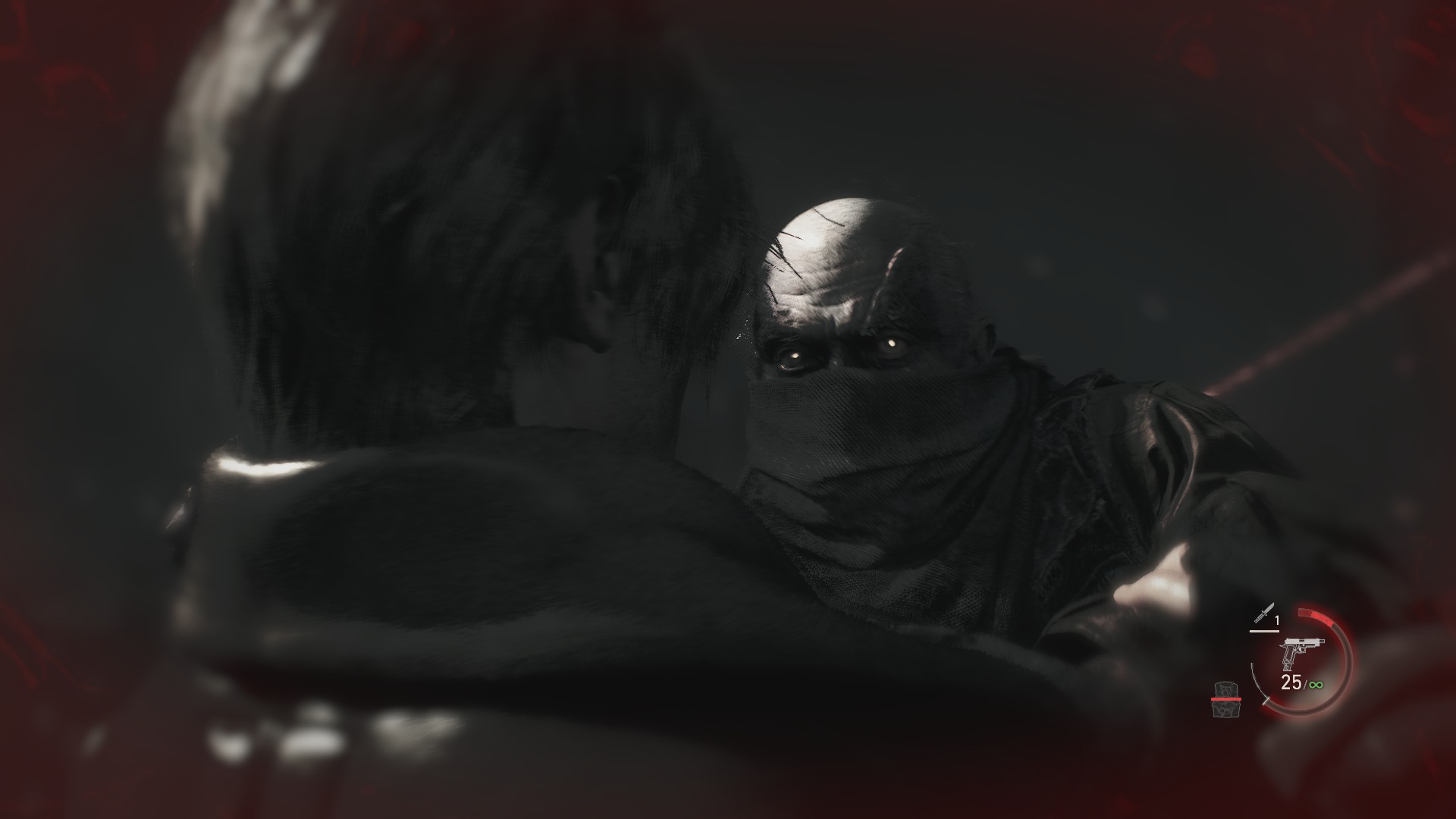
Since the Remake is a product of modern times, perhaps we should look at how modern games solve these issues. Souls games would solve this with a dodge, but that changes too many of the fundamentals and wouldn't be well-received. We need a mechanic used across all genres and in every commercially successful title – oh yes, the parry. Even Expedition 33 has it, and that’s turn-based, so why shouldn’t RE?
But why stop at one popular mechanic—why not add another? What do other action games with zombies have that RE doesn't? What can Ellie from The Last of Us do? She can perform stealth kills. If she can do it, there’s no reason in the universe why our almighty Mr. Kennedy shouldn't be able to as well. So, on top of everything mentioned, he can now also crouch, sneak up from behind, and execute a kill in the style of Agent 47. Once again, we've disrupted the balance, because Leon is now "too much," as we must also retain the kick and the knife slashing from the original.
The arcade style of 2005 was special because the hitboxes were truly large, making it possible to knock back a group of Ganados with a single kick and then hit multiple enemies on the ground with one knife swipe. Now, those hitboxes have to be minimized, but that won't be enough, so on top of everything, we’ll add knife durability. Thus, the knife becomes a consumable resource that can be used for parrying, stealth, and finishers—but only to a limited extent before a repair is required. The question arises: what do we do in the aforementioned situations where we have nowhere left to run, no ammo, and no knife? The answer is practically nothing, because the vicious cycle had to end somewhere—or rather, return to the beginning.
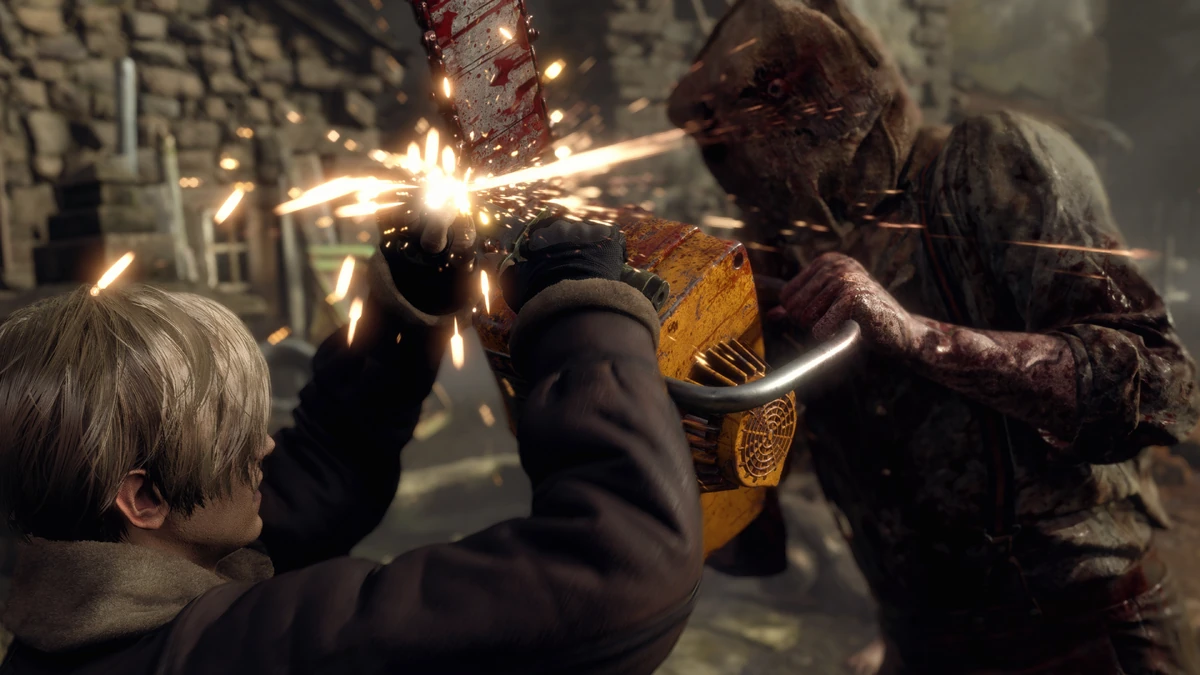
But wait, we forgot about level design; we've tried everything else, so all that’s left is to change the level structure to better support this action-oriented type of gameplay we’ve grown accustomed to in other modern games. However, we mustn't change too much because, after all, we’re making a remake—something of the initial material must remain. Someone might say that if a player finds themselves in the situations I'm describing, it is exclusively their fault—which is true, but it’s only half the story. I don't think the remake has bad gameplay, nor that the elements are broken in themselves; rather, my critique is aimed at the idea that more individual combat segments necessarily make the whole thing better. The original had a solution to the given problem, and that solution was fun to the point of addiction, so my question would be: why change something like that for an inferior system?
Loss of visual identity!
The irony of the whole situation is that back in 2005, RE4 was one of the most original games—especially on the mainstream scene—inspiring an entire generation. At that time, the series underwent a complete pivot, not only in gameplay but also in its visual presentation. This makes it doubly worse that the remake is essentially lost in its own genericity and everything we’ve come to expect from modern shooters. Unfortunately, this disconnect from its roots is also reflected in the loss of its original visual style and a total shift in art direction.
Even today, more than 20 years later, we can still talk about RE4 as one of the most visually unique games, defined by a deliberate "visual monotony." The opening sections in the village are famous for their dominance of earthy, washed-out tones—browns, grays, and dirty yellows—which give the village a distinct identity. In the remake’s first cutscene, the police officer tells Leon he’s come "as close to nowhere as I’ve ever seen," which is a perfect description of how the village looks at first glance in the original. It carries an air of Eastern European aesthetics, making it comparable to the original Pathologic.
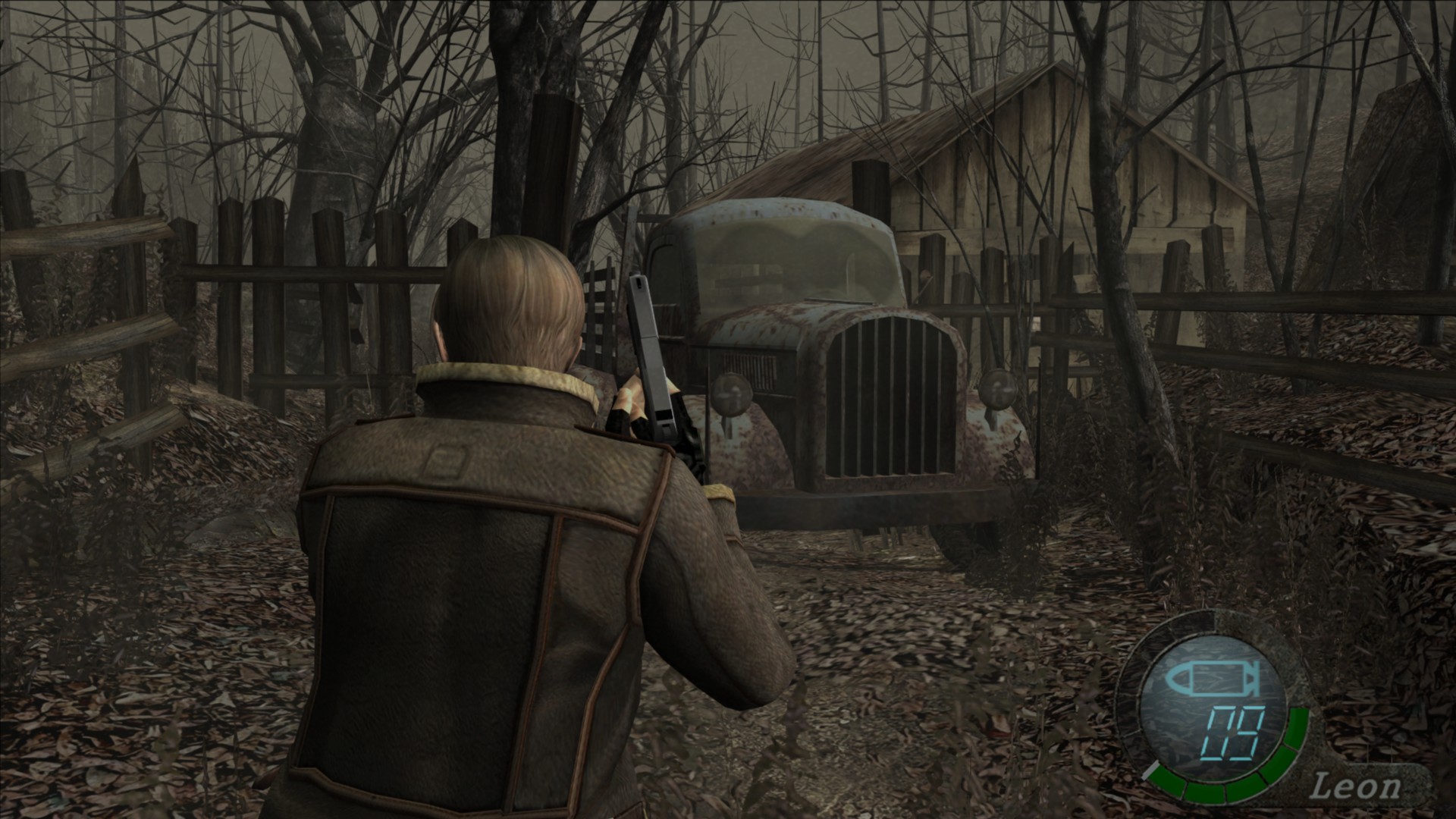
Speaking of that opening scene, we can immediately look at the introductory sections of both games. If we replaced Leon in the remake with Ethan Winters, we could easily believe we were playing an expansion for Resident Evil 7. That Eastern European vibe has been replaced by a generic horror atmosphere filled with dead animals and a narrow, linear path leading to the first house, which has now essentially been upgraded to a villa.
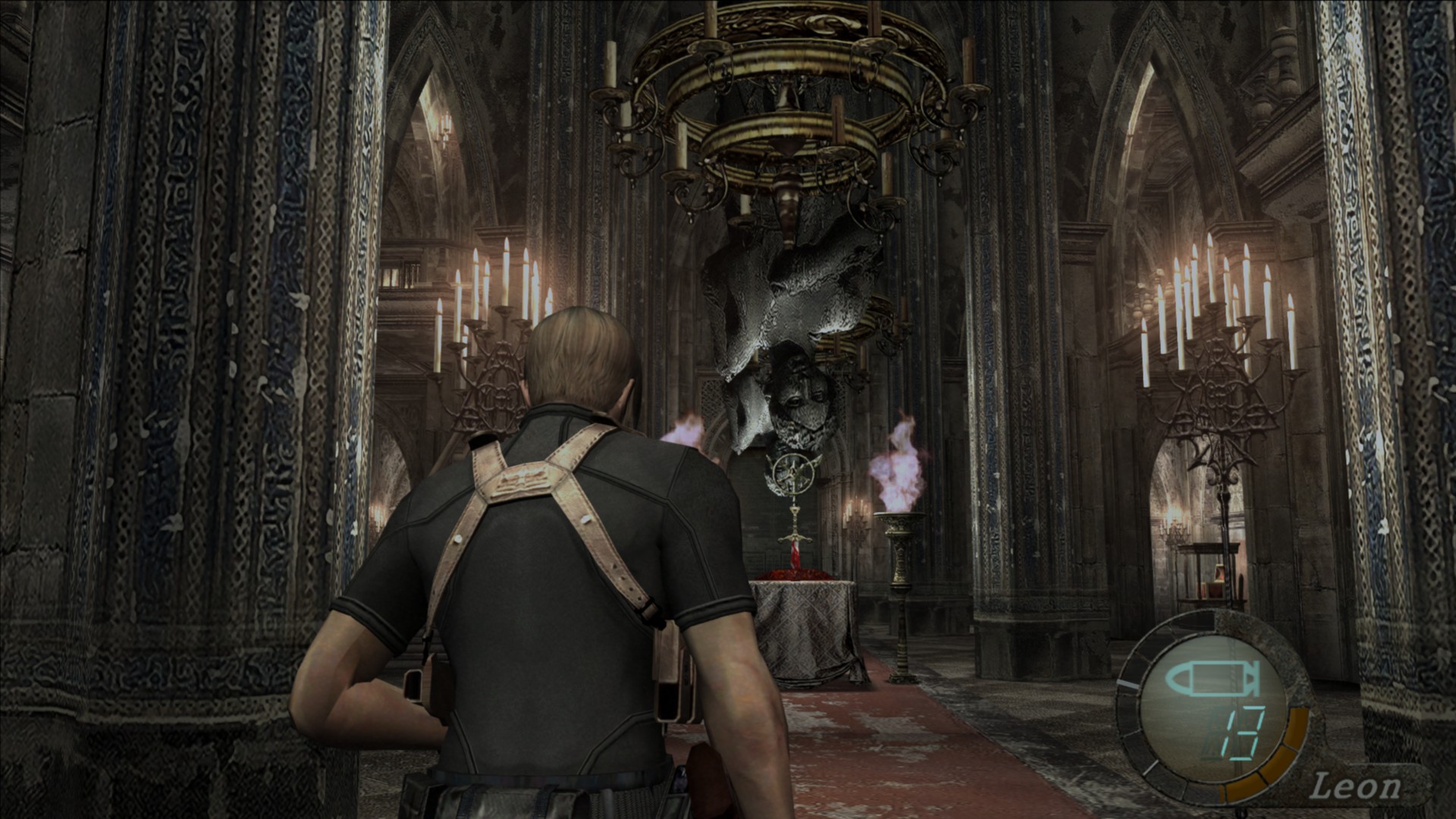
The issue with the visuals in the castle lies in the modern lighting, which obscures a large portion of the interior. Consequently, the murals on the walls and ceilings, or any other thematic objects related to the castle’s lore, fail to stand out—or are missing entirely. It would be excessive to analyze every section and room individually, but in the footage above, you can see a side-by-side comparison of one of the castle’s most famous rooms. Notice the variety of colors, drawings, and the lighting style in the original, and then look at the lack of detail, poor lighting, and the presence of fog in an enclosed space in the remake. What does this description remind us of? I’d say most modern mainstream games with similar genre tropes.
Ultimately, my problem with the RE4 remake is that it is too realistic and not artistic enough. It might sound foolish to complain about that, but it’s more of a personal grievance I have with the concept of remaking old masterpieces. I believe they sometimes require even more effort than creating an entirely new IP.
Narrative ups and downs
When we talk about the interpretation of Leon from 20 years ago, we’re talking about his cocky version—his ego is through the roof because he knows he’s the best agent and that no one can touch him. Besides that, he doesn’t talk much, and conversations mostly boil down to one-liners like: "No Thanks, Bro!". The creators of the remade version of Leon decided he was too sure of his abilities, so this newer version—though technically "younger" by release date—resembles a different person in terms of personality. He now feels more like an ordinary cop who just happened to find himself in that situation. Generally speaking, the whole story is handled more seriously, even though we’re still dealing with Resident Evil plots, which aren’t exactly known for being high-quality writing.
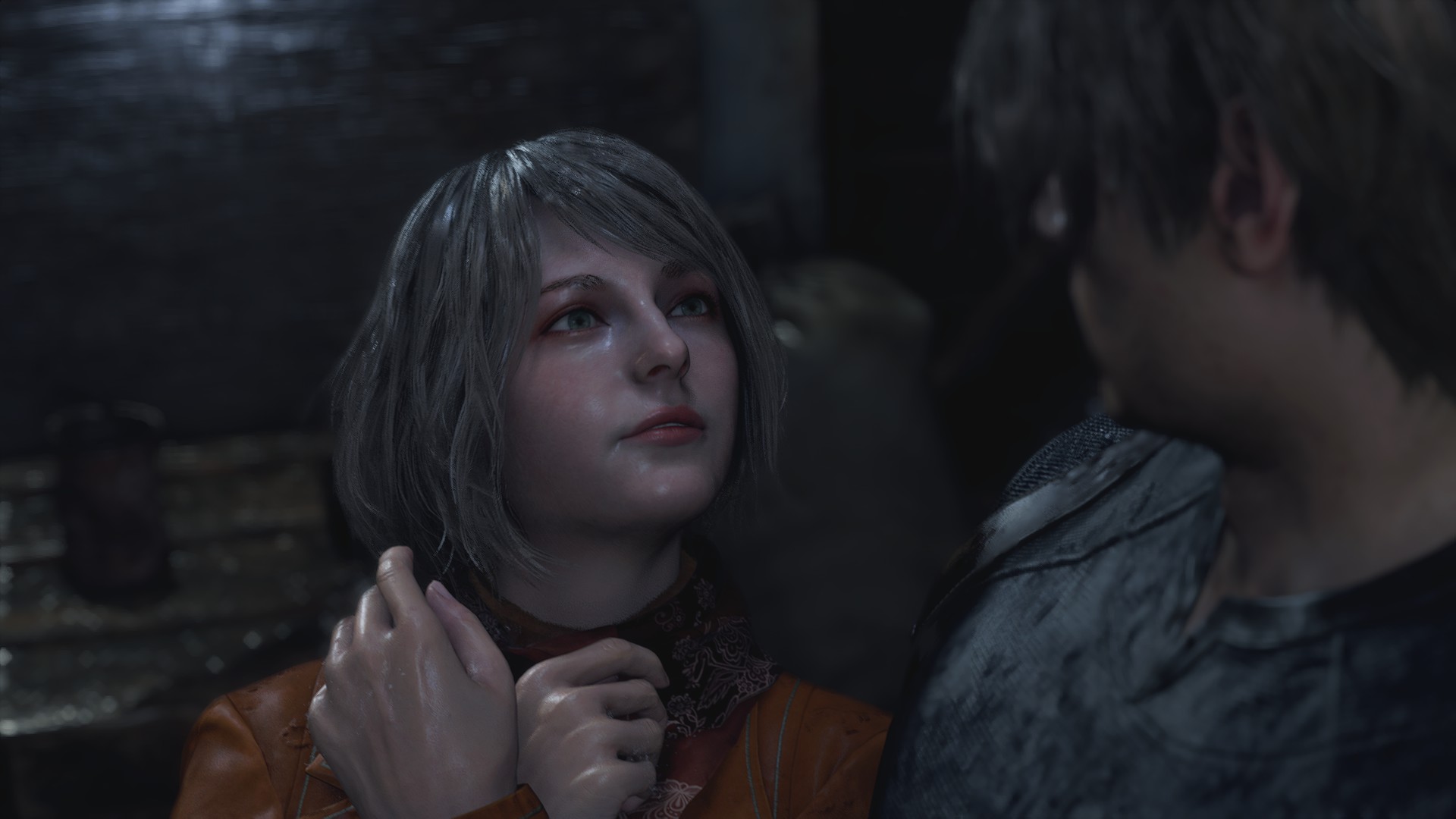
The narrative is where the original truly could have been improved, and it was... partially. The biggest problem back in 2005 was the underutilized characters. Most weren't given enough screen time, causing them to lack depth and complexity. Some of those flaws have been addressed; we now have a better version of Luis, who doesn't just appear and then mysteriously vanish every time Leon gets free, and we have a less spoiled version of Ashley, who is more aware of her situation and is used for a few dramatic moments. Ada is still the same Ada as before, with all the sharper curves and the flaws she has carried since her first appearance.
Where the remake fails to even reach the level of the original material is with the villains, who get almost no screen time. We don’t actually see Saddler until the very end, and he has no time to actually do his "villain things." Salazar, on the other hand, fared even worse; besides an arguably worse design, a large number of the conversations Leon had with him—both in person and over the radio—have been cut. To make matters worse, the voice actors aren't at the expected level, at least for me (Ada is truly terrible).
Where’s the soul going? Bingo?
In the end, it’s important to emphasize that my issue with the Resident Evil 4 Remake isn't that it’s a bad game—far from it. It is, in fact, excellent, and as proof of my enjoyment, I can point to the fact that I’ve collected every achievement and earned the Platinum trophy. My problem lies in the fact that the developers tried to bring a timeless masterpiece closer to a modern audience by altering the key elements that made the original so beloved. Because of this, it remains merely a pale shadow of the predecessor it attempted to recreate.
Ultimately, it can be summarized like this: my criticisms stem from the fact that artistic integrity and a specific atmosphere have been replaced by generic photorealism and today’s overused mechanics. Little is said about how brave the original actually was from a business perspective regarding its design, whereas the remake feels too "clean" and tailored to the masses. I would likely appreciate this game much more if it weren't an attempt to modernize and re-monetize something that has no expiration date, but were instead viewed as simply the next project in this long-standing series. Regardless, both titles have their strengths and weaknesses, but for me, only one will remain at the pinnacle of the series—representing one of the highest peaks gaming has ever reached.

Discussion(0)