
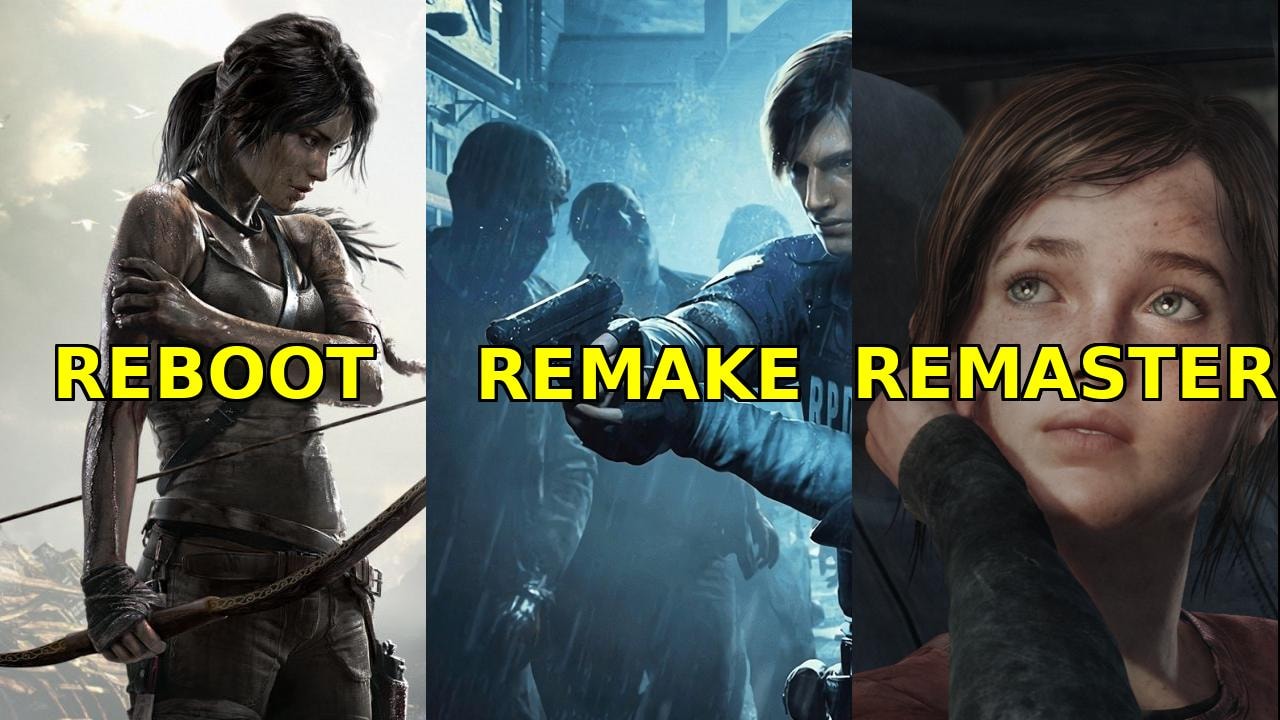

However, terms like remaster, remake, and reboot represent different levels of development. Knowing these differences helps players understand exactly what they are buying and what kind of experience to expect.
Video game remasters
A remaster is primarily a technical polish of an existing game. The developers use the original source code and assets but upgrade the visual and audio quality for modern systems. The main goal is to make an old game playable and visually acceptable on high-resolution monitors.
Key changes usually include:
Resolution and frame rate: Increasing the image quality to 4K and ensuring the game runs at a smooth 60 frames per second.
Textures and lighting: Replacing blurry textures with sharper versions and adding modern lighting effects.
Quality of life: Minor tweaks to menus or loading times.
The core gameplay, story, and level design remain identical to the original. Examples include The Last of Us Remastered, Mass Effect Legendary Edition, and Metroid Prime Remastered.
Video game remakes
A remake is a game built from the ground up. Instead of just polishing old files, the developers start from scratch, often using a completely new engine. While the story usually follows the original plot, almost everything else is modernized.
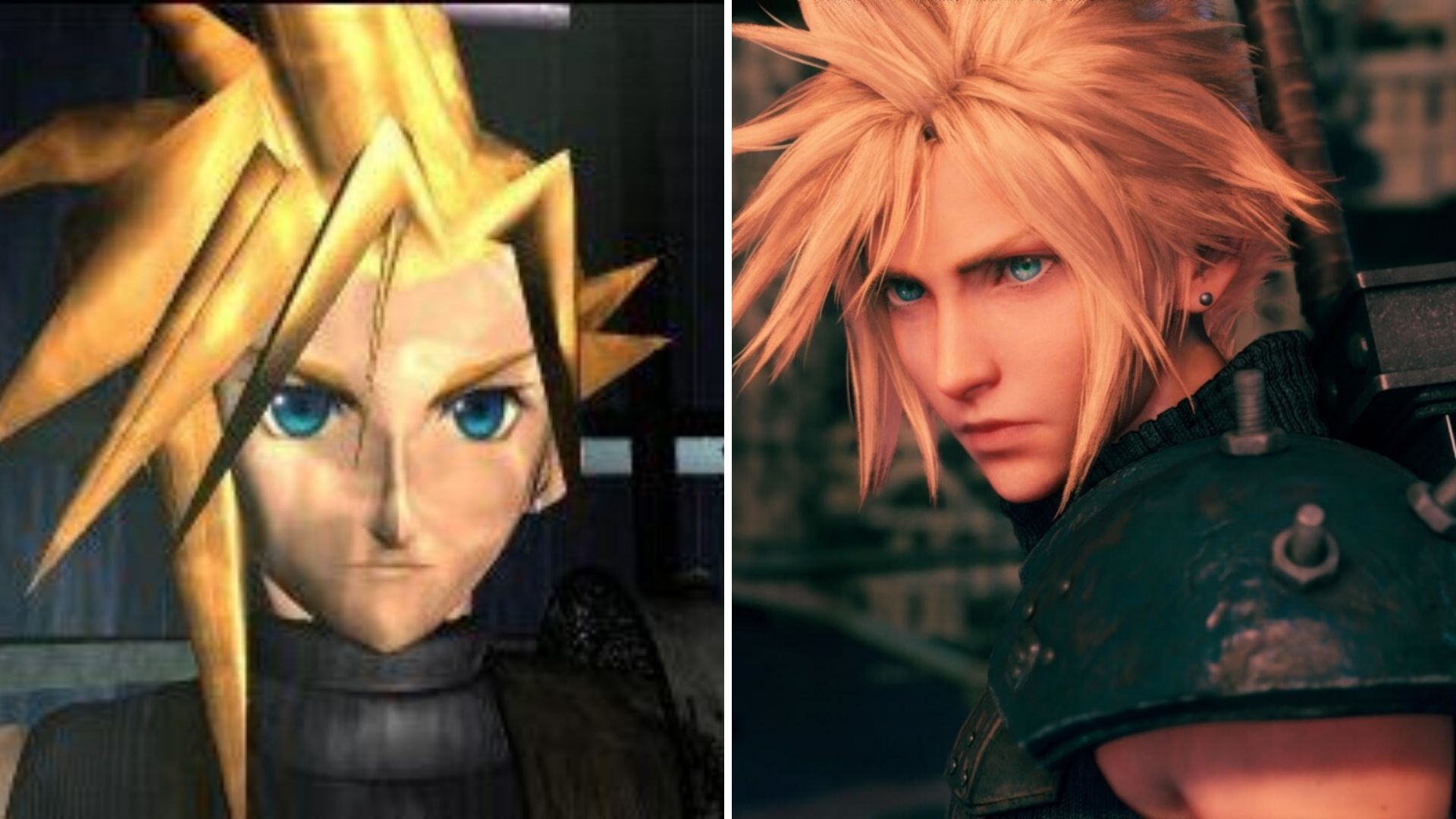
Remakes often introduce significant changes:
New mechanics: Changing how the character moves or fights (e.g., moving from fixed camera angles to an over-the-shoulder view).
Expanded content: Adding new areas, dialogue, or boss fights that were not in the original game.
Modern graphics: Using current-gen technology to create visuals that look like a brand-new release.
Examples include Resident Evil 4 (2023), Final Fantasy VII Remake, and Dead Space (2023). In these cases, the game feels familiar but plays like a modern title.
Video game reboots
A reboot is a complete reset of a franchise. It ignores the previous games' timeline and continuity to tell a new version of the story. Publishers usually choose this path when a series has become too complicated or has lost its popularity.
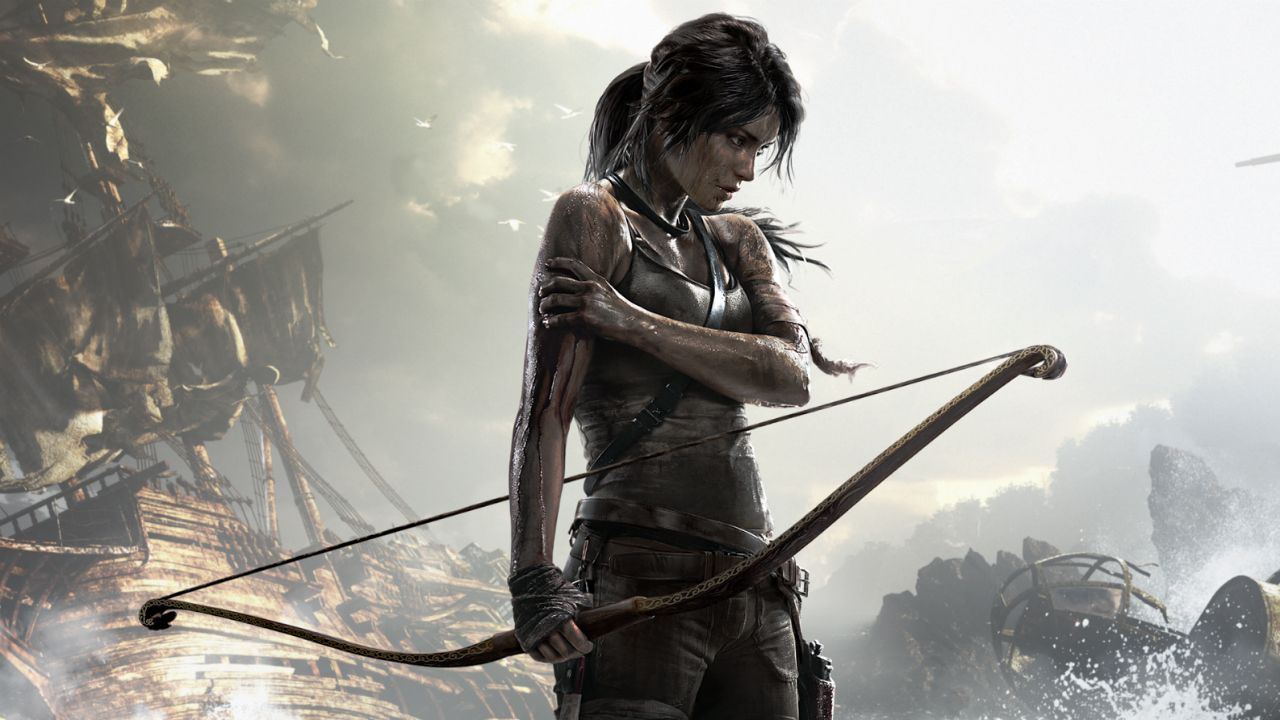
In a reboot, the developers keep the core identity—like the main character's name or the general theme—but change the world and the plot entirely.
Examples: Tomb Raider (2013) started Lara Croft’s story from the beginning with a different tone, and DOOM (2016) reimagined the fast-paced action of the original series for a new generation.
Other similar terms
There are other words used when an older game is released again. These terms describe specific types of changes or purposes for the release.
Ports
A port is a game that has been reprogrammed to work on a different platform. For example, when a game originally made for PlayStation 5 is released on PC, that version is a PC port.
There are usually almost no changes between the original game and its ports. The developers focus on making the software compatible with different hardware, adjusting the controls and settings to fit the new system.
Spin-offs
Spin-offs are games that take place in the same universe as a famous series but focus on different characters or genres. They are not sequels or remakes; instead, they explore a different side of a familiar world.
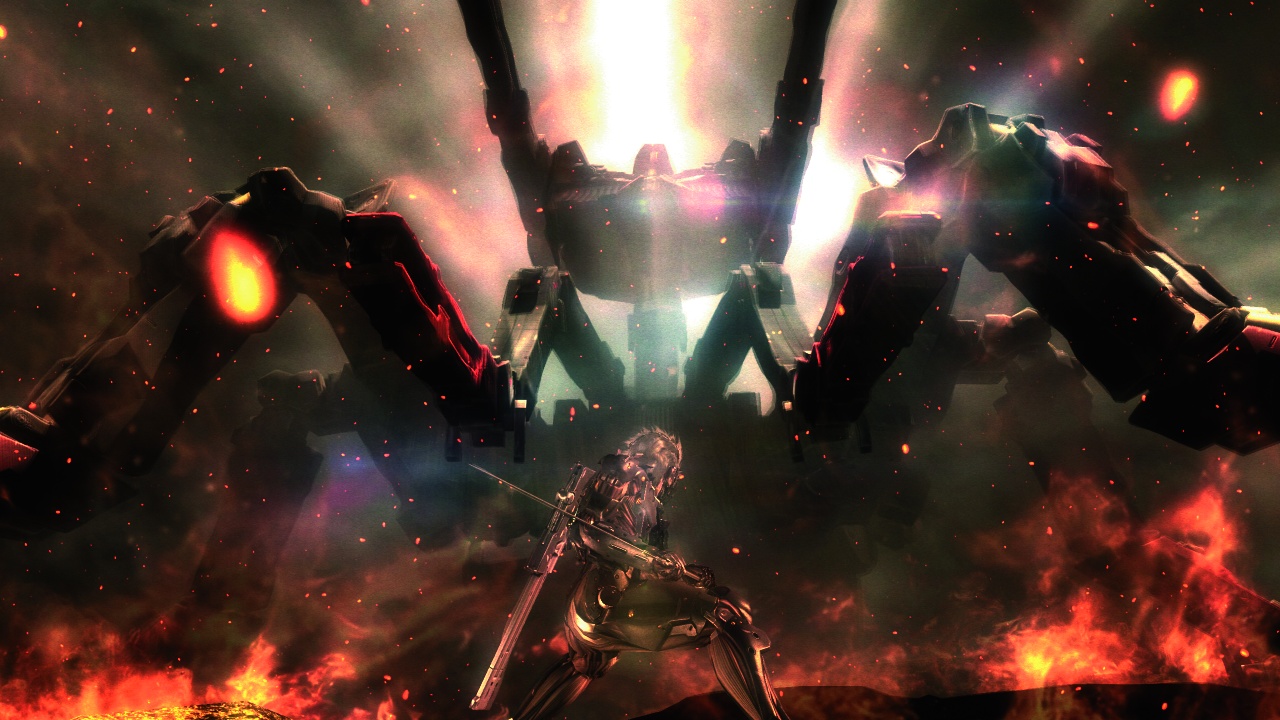
These games often use a completely different gameplay style. For example, the Pokemon series has many spin-offs like Pokemon Mystery Dungeon (a dungeon crawler), Pokemon Snap (a photography game), and Pokemon GO (an augmented reality mobile game). While they feature the same creatures, the way you play them is entirely different from the main RPG series.
The Verdict
Understanding the nuances between a remaster, remake, and reboot is essential for any modern gamer. While these terms are often used interchangeably in casual conversation, they represent very different levels of effort and creative intent:
Choose a Remaster if you want to experience the original game exactly as it was, but with crisp visuals and better performance on modern screens.
Choose a Remake if you love the spirit of a classic story but want the gameplay mechanics and graphics to feel like a high-end, contemporary release.
Look for a Reboot if you are ready to see a familiar franchise take a bold new direction, unburdened by years of complex lore or outdated styles.
Ultimately, these various ways of revisiting old titles ensure that gaming's greatest hits aren't lost to time. They bridge the gap between generations, allowing long-time fans to relive their favorite moments while giving new players a polished entry point into legendary series. The next time a "classic" is announced, checking which category it falls into will help you decide if it’s the right adventure for your library.

Discussion(0)