
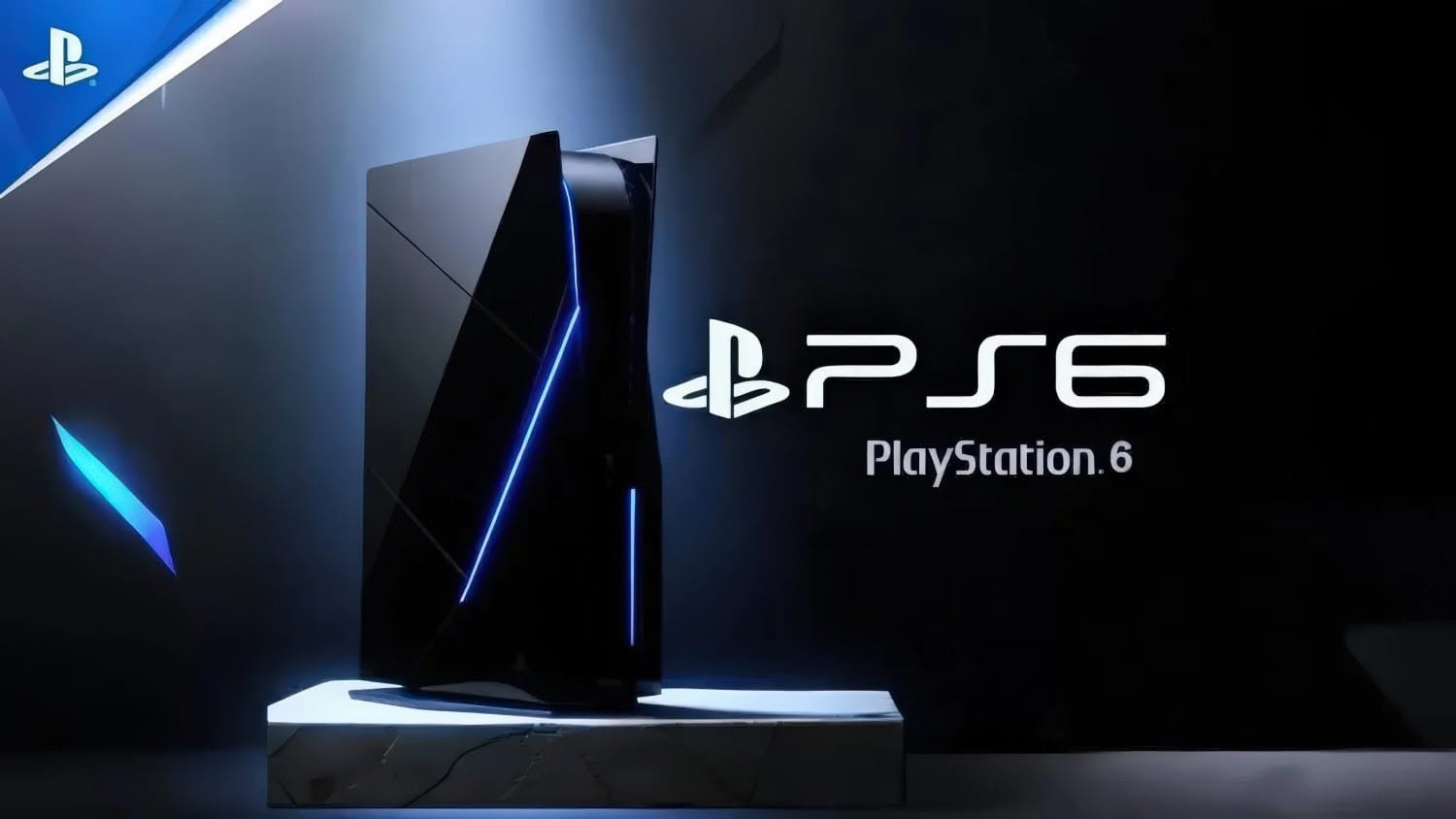

The next generation of gaming consoles could bring an unprecedented price increase, with rising memory costs threatening to push the PlayStation 6 beyond the $1,000 mark.
The next generation of gaming consoles could become the most expensive in the industry's history. According to recent claims from hardware insiders and industry analysts, the cost of manufacturing Sony's upcoming PlayStation 6 may have increased dramatically, raising serious questions about how much consumers will ultimately have to pay.
At the center of these concerns is the global memory market, where soaring demand and limited supply have pushed component prices to extraordinary levels.
According to hardware insider KeplerL2, who shared new information on the NeoGAF forums, the combination of RAM and NAND flash storage required for a single PlayStation 6 could now cost more than $680.
That figure covers only memory and storage, excluding the processor, cooling system, motherboard, power supply, controller, and other components needed to manufacture the console.
Previous estimates from the insider placed the PlayStation 6's total bill of materials at approximately $960. With memory prices continuing to rise, the overall manufacturing cost could potentially exceed $1,000 per unit.
However, these figures remain unverified estimates. Sony has not officially announced the PlayStation 6's specifications, manufacturing costs, retail price, or release date.
AI demand is driving memory prices higher
One of the biggest factors behind the rising cost of gaming hardware is the rapid expansion of artificial intelligence infrastructure.
Technology companies are investing heavily in AI data centers, creating enormous demand for memory chips and other semiconductor components. As manufacturers prioritize higher-margin products for enterprise and AI applications, consumer electronics companies face increasing pressure on supply and pricing.
For console manufacturers such as Sony and Microsoft, this creates a particularly difficult challenge. Unlike traditional gaming PCs, consoles are generally designed around carefully controlled hardware configurations and pricing strategies established years before launch.
When component prices change dramatically during development, manufacturers have limited options: absorb the additional costs, redesign parts of the system, delay production, or pass higher prices on to consumers.
The current PlayStation generation has already demonstrated how serious the problem has become.
Sony increased PlayStation 5 prices across several regions in April 2026. In the United States, the standard PS5 now carries a recommended retail price of $649.99, while the PS5 Pro costs $899.99.
For comparison, the original PlayStation 5 Digital Edition launched in 2020 at $399.99. Its current $599.99 price represents an increase of approximately 50%.
Sony Interactive Entertainment President and CEO Hideaki Nishino has also indicated that the company does not intend to continue absorbing major hardware losses.
During a business presentation earlier this year, Nishino explained that Sony cannot realistically absorb every increase in component costs and emphasized that the company does not intend to sell hardware at significant losses.
That position could have major implications for PlayStation 6 pricing.
Microsoft's project helix faces similar challenges
Sony is far from the only company facing an increasingly expensive transition to next-generation hardware.
Microsoft is also developing its next-generation Xbox platform, currently known as Project Helix, and the company has acknowledged that the ongoing memory crisis could affect its future hardware plans.
Xbox CEO Asha Sharma previously confirmed that rising memory costs would influence both the pricing and availability of Project Helix.
The company has not announced a final consumer launch date or retail price, leaving considerable uncertainty surrounding Microsoft's next generation of gaming hardware.
Industry analysts increasingly believe that the traditional console business model may need to evolve if manufacturers want to keep their devices accessible.
Joost van Dreunen, CEO of research firm Aldora, previously suggested that next-generation gaming hardware might not arrive until 2028 and that prices above $1,000 could become the starting point for premium devices.
However, other industry observers believe manufacturers will still have strong incentives to keep their standard console models below the psychologically important $1,000 threshold.
A potential solution could involve offering multiple hardware configurations, with entry-level models targeting a broader audience while more powerful premium versions carry significantly higher prices.
Nothing about these pricing strategies has been officially confirmed for PlayStation 6.
Could PlayStation 6 become an all-digital console?
Rising manufacturing costs could also accelerate the gaming industry's transition away from physical media.
Removing a built-in optical disc drive would allow console manufacturers to reduce certain production expenses, although it would not solve the much larger problem of rising memory prices.
Sony has already announced that physical disc production for newly released PlayStation games will end in January 2028, marking a major shift toward digital distribution.
That decision strengthens speculation that PlayStation 6 could launch as an all-digital console, potentially without a traditional built-in disc drive.
However, Sony has not officially confirmed the hardware configuration of its next-generation PlayStation system.
An all-digital approach would also raise concerns among players who prefer physical game collections, second-hand purchases, and the ability to preserve access to their games independently of digital storefronts.
Beyond hardware sales, Sony and Microsoft are increasingly relying on digital ecosystems, subscription services, cloud gaming, and long-term software support to generate revenue throughout a console's lifecycle.
These services could become even more important if next-generation consoles launch at significantly higher prices.
The $1,000 console could become a reality
For decades, console manufacturers have tried to balance technological improvements with affordable pricing, often accepting smaller hardware margins to build large player communities and generate revenue through software sales.
That balance is becoming increasingly difficult to maintain.
If the latest memory cost estimates prove accurate, Sony could face a difficult decision between launching an expensive PlayStation 6, accepting lower profitability, or waiting for component prices to stabilize.
A launch in 2028 remains one possibility, although earlier release windows have also been discussed in industry rumors.
Ultimately, the biggest question surrounding PlayStation 6 may not be how much more powerful it will be than PlayStation 5, but how many players will be able to afford it.
The next generation of gaming could deliver impressive technological improvements, but it may also fundamentally change what consumers expect to pay for a home console.

Discussion(0)