
At a time when the gaming industry is rapidly and aggressively shifting toward digital-only distribution, a recent announcement from a competitor has reignited debates about content ownership and the preservation of gaming history. After Sony faced criticism for announcing plans to completely discontinue the production of physical discs for new games starting in 2028, many began wondering whether the rest of the industry would simply follow the same path.
The answer has now come from one of the strongest supporters of traditional gaming formats. Nintendo has officially reaffirmed its position that it has absolutely no plans to abandon physical releases, providing much-needed reassurance to millions of collectors and fans around the world.
Putting players first and Nintendo's strategy for Switch 2
In a media interview, Bill van Zyll, Vice President and General Manager of Nintendo Latin America, explained that the Japanese gaming giant has historically maintained a neutral, or so-called agnostic, approach when it comes to choosing between digital and physical formats. Rather than imposing its own preferences, the company primarily follows the wishes and habits of its customers, taking them extremely seriously when making business decisions.
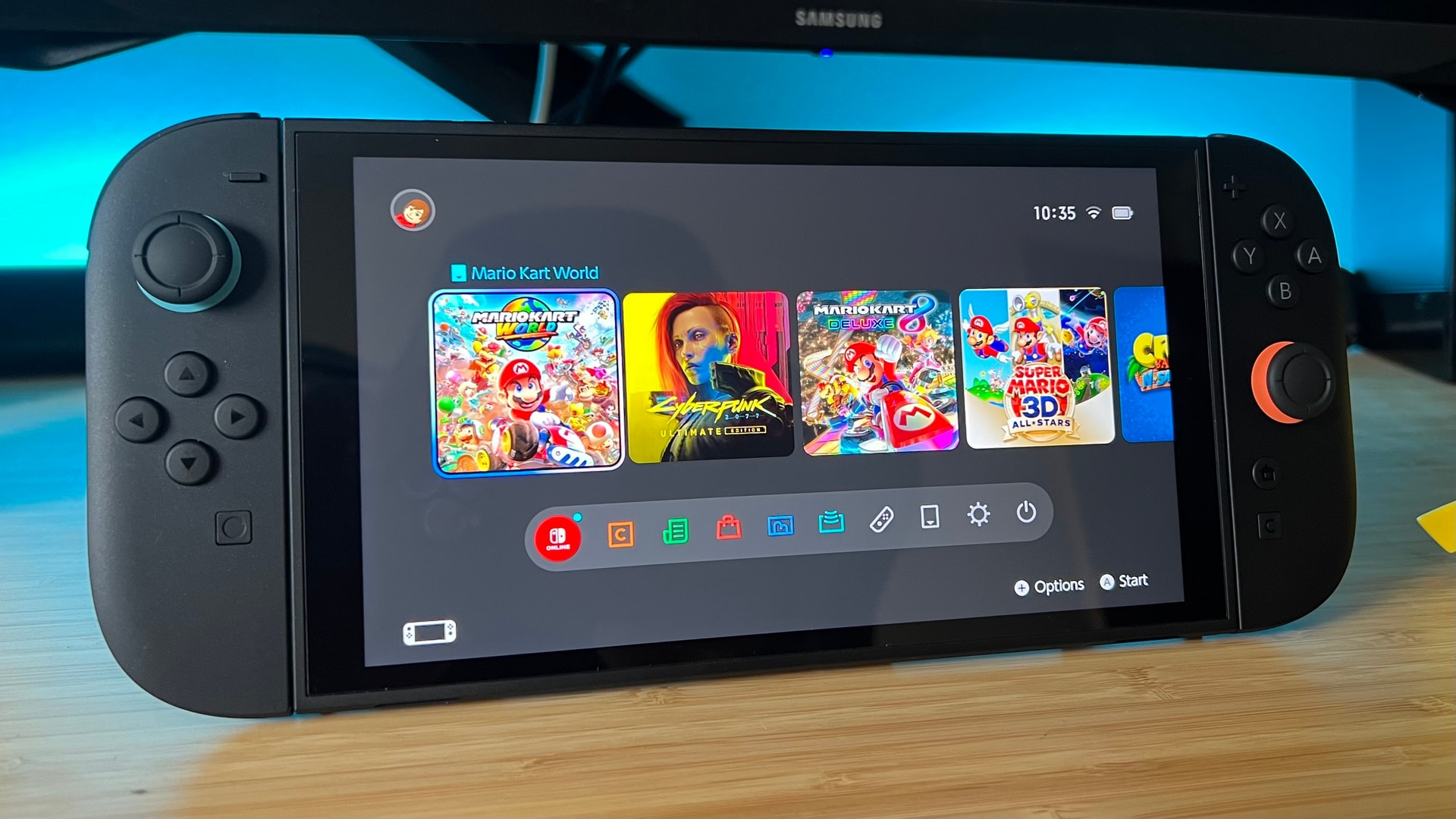
With the Nintendo Switch 2 having been on the market for just over a year, Nintendo emphasizes that the platform was designed from the very beginning to support both formats. From a business perspective, abandoning physical releases at a time when they remain extremely popular and generate significant revenue simply makes no sense. Furthermore, the culture of physical collecting within Nintendo's ecosystem has been strengthened by the continued success of Amiibo interactive figures, which are closely tied to the physical collecting experience.
Two sides of physical releases on Nintendo's new generation
Although this official confirmation has been received very positively, analysts and players remain cautious about how physical releases are being handled on the Nintendo Switch 2. Physical games currently come in two different forms — complete cartridges containing the entire game and the significantly less popular game-key cards.
With the latter, the box and card primarily serve as a license key confirming ownership, while the game itself must still be downloaded in full from Nintendo's servers. Despite divided opinions surrounding the game-key card model, demand for physical game boxes on store shelves remains extremely high worldwide.
By choosing to retain physical media while its competitors prepare for an entirely digital future, Nintendo once again reinforces its unique position in the entertainment industry, balancing modern trends with the traditions that its loyal audience values so highly.

Discussion(0)