As gaming startups compete for players’ attention, questions of loyalty, monetization, and international growth are becoming increasingly connected. Building a compelling game is one part of the equation; understanding what keeps players engaged and what they are willing to pay for is another.
We spoke with Imtiyaz Basharat, Startup Partner at Stripe, the financial infrastructure platform for businesses, at the Weekend Media Festival, where he participated as a panel speaker. Bringing a perspective from the intersection of startups and payments, Basharat discussed how gaming businesses can build lasting relationships with players, combine different revenue models, and adapt to the expectations of audiences in new markets.
What excites you most about current trends in gaming and digital products?
Right now, I’m most interested in how you build loyalty among your users and players. With so many games available across different genres, I think loyalty is probably at its lowest point. Studios are looking for ways to keep players engaged and keep their spending within their gaming universes.
What I find particularly interesting is how gaming studios continue to use gamification to encourage that engagement. Previously, you might buy a gaming card with ten dollars on it and spend it on in-game items. Now, the focus is more on how you engage people through gaming experiences.
I’m excited about the different models emerging around that, including ways to bring external brands into gaming environments. We’ve seen examples involving crypto or coins that reward users both within the game and externally through brand partners.
You mentioned loyalty. How should gaming startups think about monetization today: subscriptions, in-game purchases, or a mix of models?
I think it’s a mix. There was a game recently where consumers felt—I wouldn’t say scammed, but frustrated that they had to spend so much to unlock what they would have expected to be part of the original game.
From a business perspective, I think it makes sense to have a community element supported by some form of subscription. That could mean ongoing access to the community, servers, or the game itself. Alongside that, additional unlocks or in-game purchases can also make sense.
There’s a good opportunity to connect those purchases to campaigns and tie those campaigns to culture, making them relevant to players.
A hybrid approach makes sense, especially now. You can’t rely on one-off gimmicks, but you also can’t assume that customers’ habits will stay the same or that they’ll always want to keep paying subscriptions. Consumers are increasingly aware of where their money goes, and they don’t want to be paying for four different platforms.
What are the biggest challenges for gaming companies entering new markets?
One of the biggest challenges is assuming that, because you have a player base in one market, players will behave the same way everywhere else.
There are nuances, and cultural context matters a lot. If you’re building for the American market, the same approach won’t necessarily work in China. People interact with products differently, communication styles differ, and certain aspects of the gaming experience need to be considered.
There are also regulations. If anything resembles gambling, for example, you’ll need to find ways to navigate the rules and challenges in that market.
Generally, I think a similar approach can work across EU markets. When moving into the US, you need to understand what players actually want to pay for, how much they’re willing to spend, and how they approach spending as consumers. Those are all significant factors.
One thing I find particularly interesting is that, as I understand it, the Philippines is among the markets where consumers spend the most.
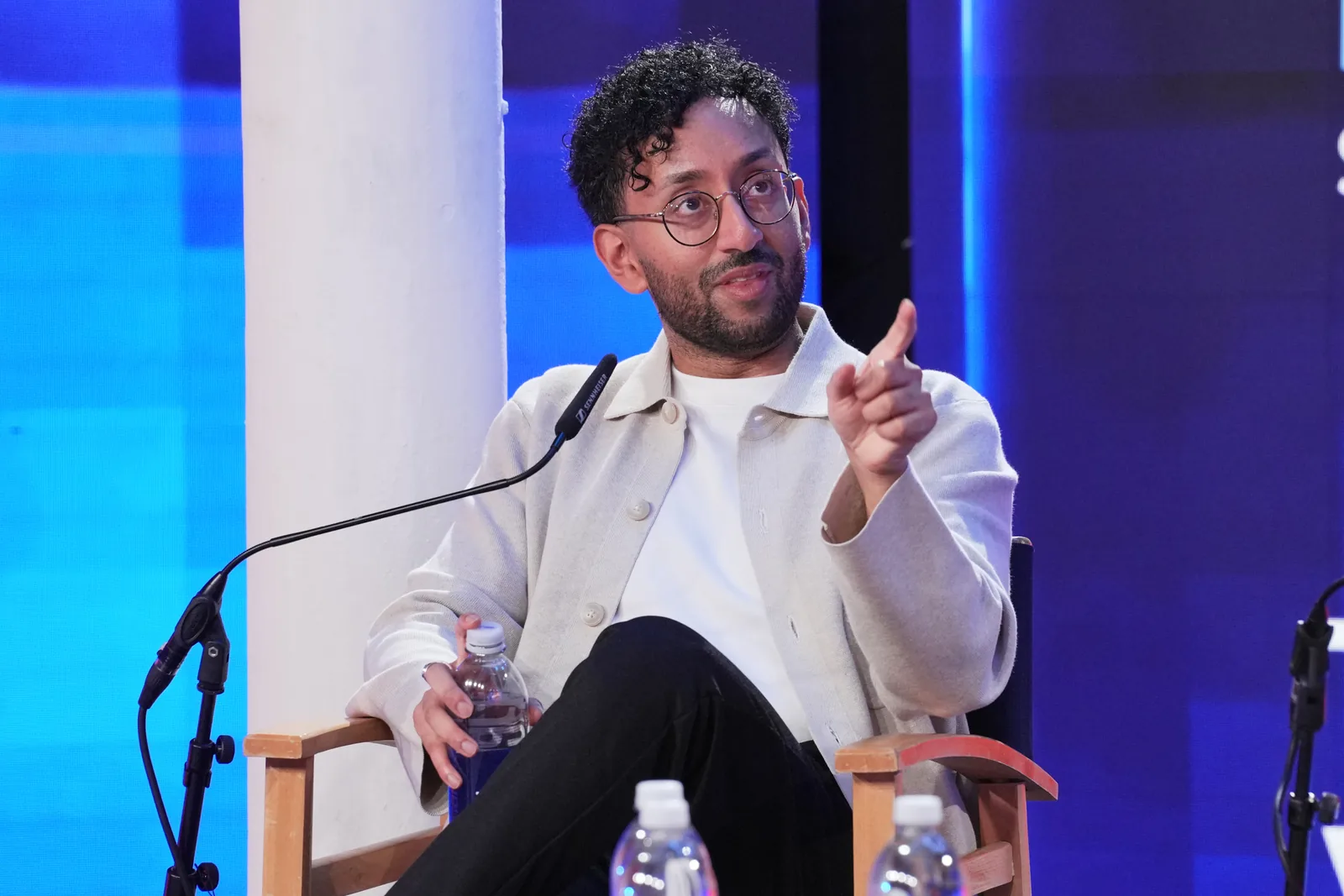
Foto: weekend.hr
What helps a gaming startup scale successfully around the world?
Understanding the audience. Again, it comes down to how people like to spend, how much they’re willing to spend, what games they enjoy, and how they engage with communities to play those games.
If you understand those things, that can inform your feature set, and you can start experimenting with different approaches.
How early should startups think about payments when planning to expand?
I think they should start thinking about payments early. It goes back to understanding your audience: how people prefer to pay, what they’re willing to spend, and how that differs from one market to another. Payments are part of the overall user experience, so it makes sense to consider them alongside your monetization model and expansion plans.


Discussion(0)