
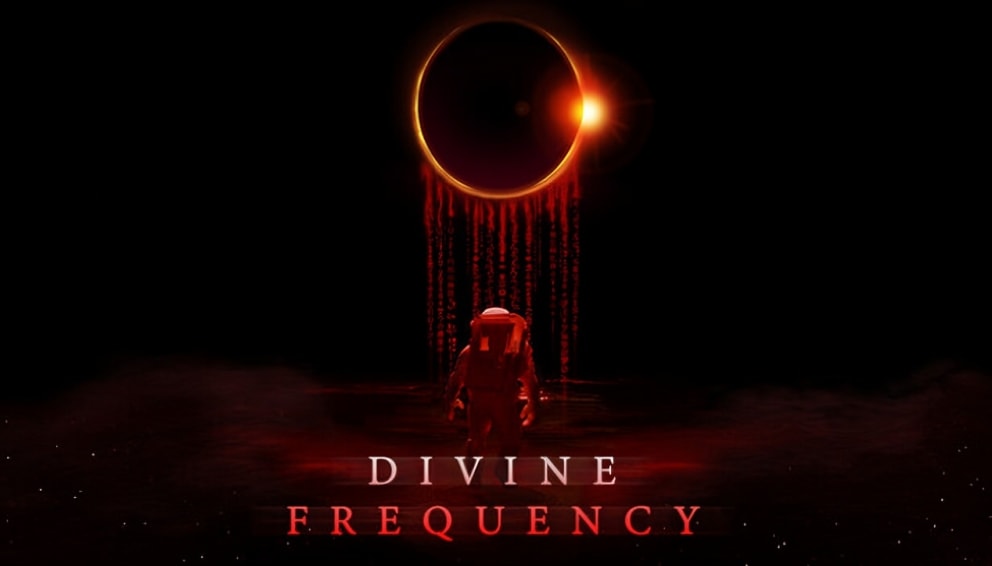

I’m not someone who enjoys trying out game demos, as I consider them a neat trick to "deceive" the player and foster false expectations. Quite a few games have had demos that felt manipulative to me and ultimately led to disappointment with the final product. Still, I’m obviously not speaking about the majority, and a demo certainly cannot conceal the core substance.
Scrolling through God knows which corner of the internet, I came across footage of yet another retro shooter—"Just another one to throw on the wishlist for some distant future," I thought. Moments later, however, I changed my mind and went straight to Steam to try out what I had seen.
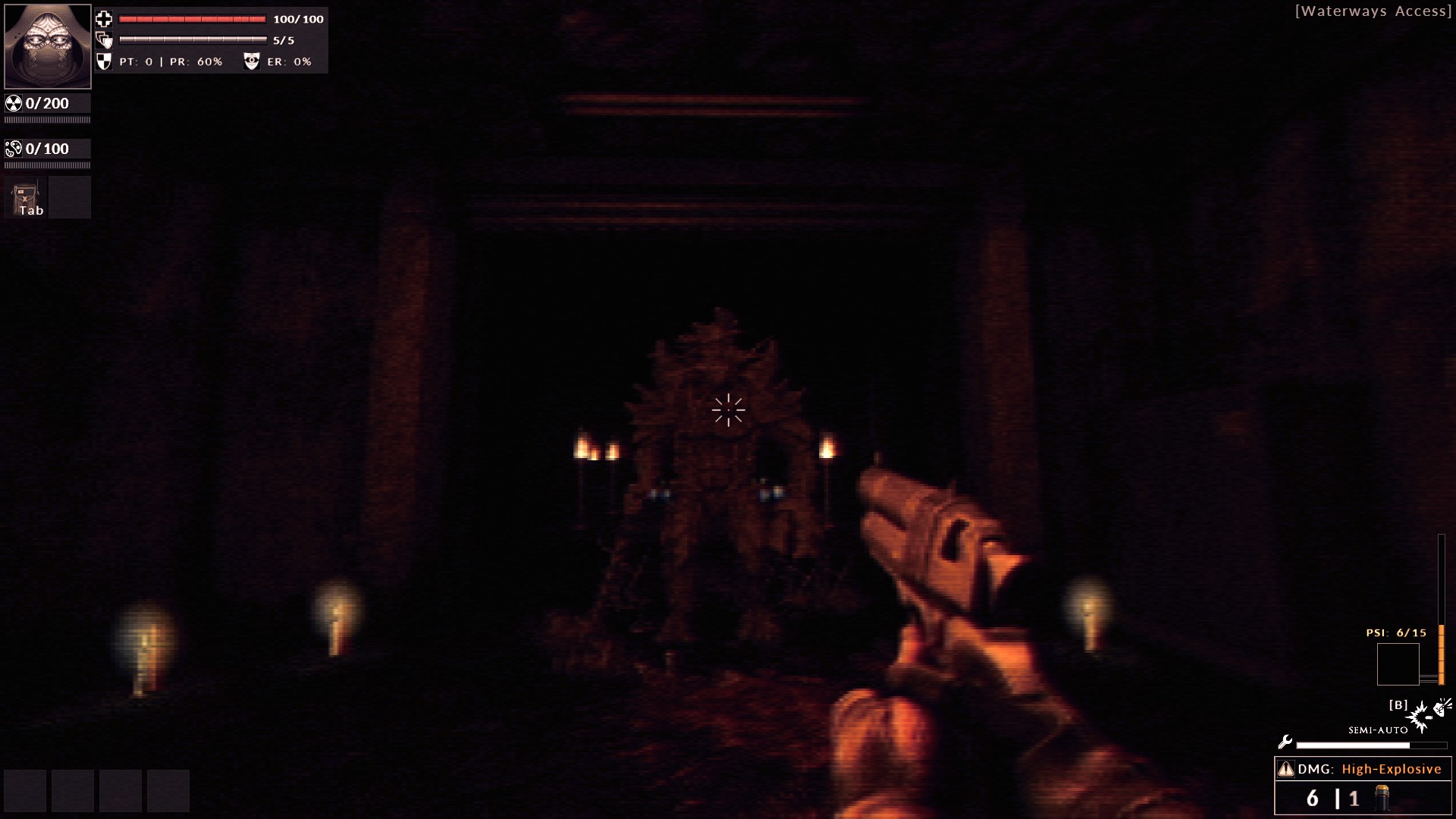
What I saw was Divine Frequency—an indie game that originated as a Doom mod by an independent creator named Abraxaes. Because it started as a mod for the aforementioned classic, Abraxaes chose GZDoom as the engine for the project. Over the years, evolving from a simple non-commercial mod, we have arrived at anticipating the launch of a standalone project this October 27th—one driven by an entirely different philosophy.
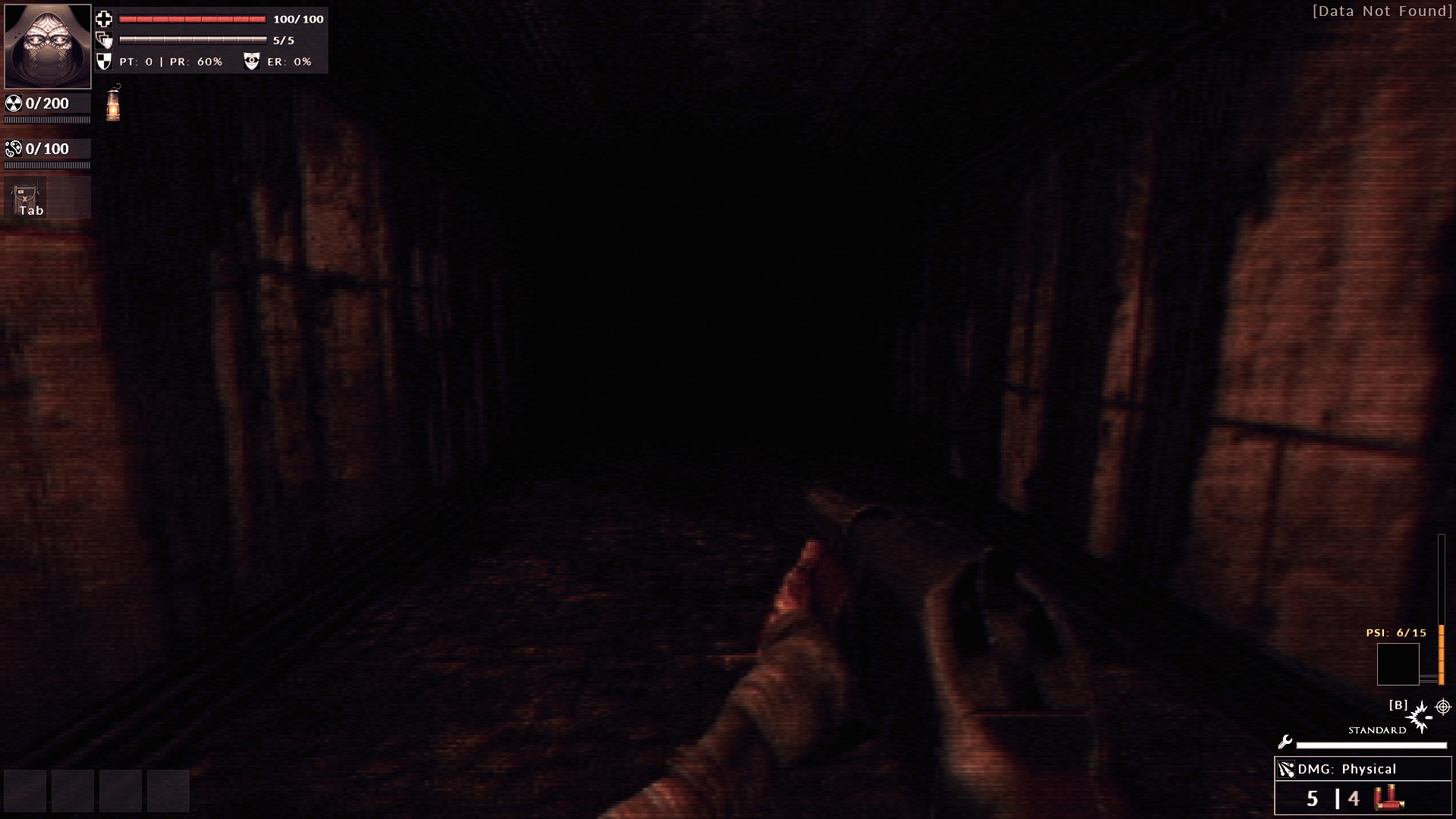
That "different philosophy" becomes evident within the first few minutes of stepping into this world. Simple retro gunplay centered on "clearing" linear corridors and rooms has been replaced by faster combat featuring sprint and dash mechanics, paired with severely limited resources. If you haven't realized it by now, yes, this is a horror experience, and the entire aesthetic breathes it.
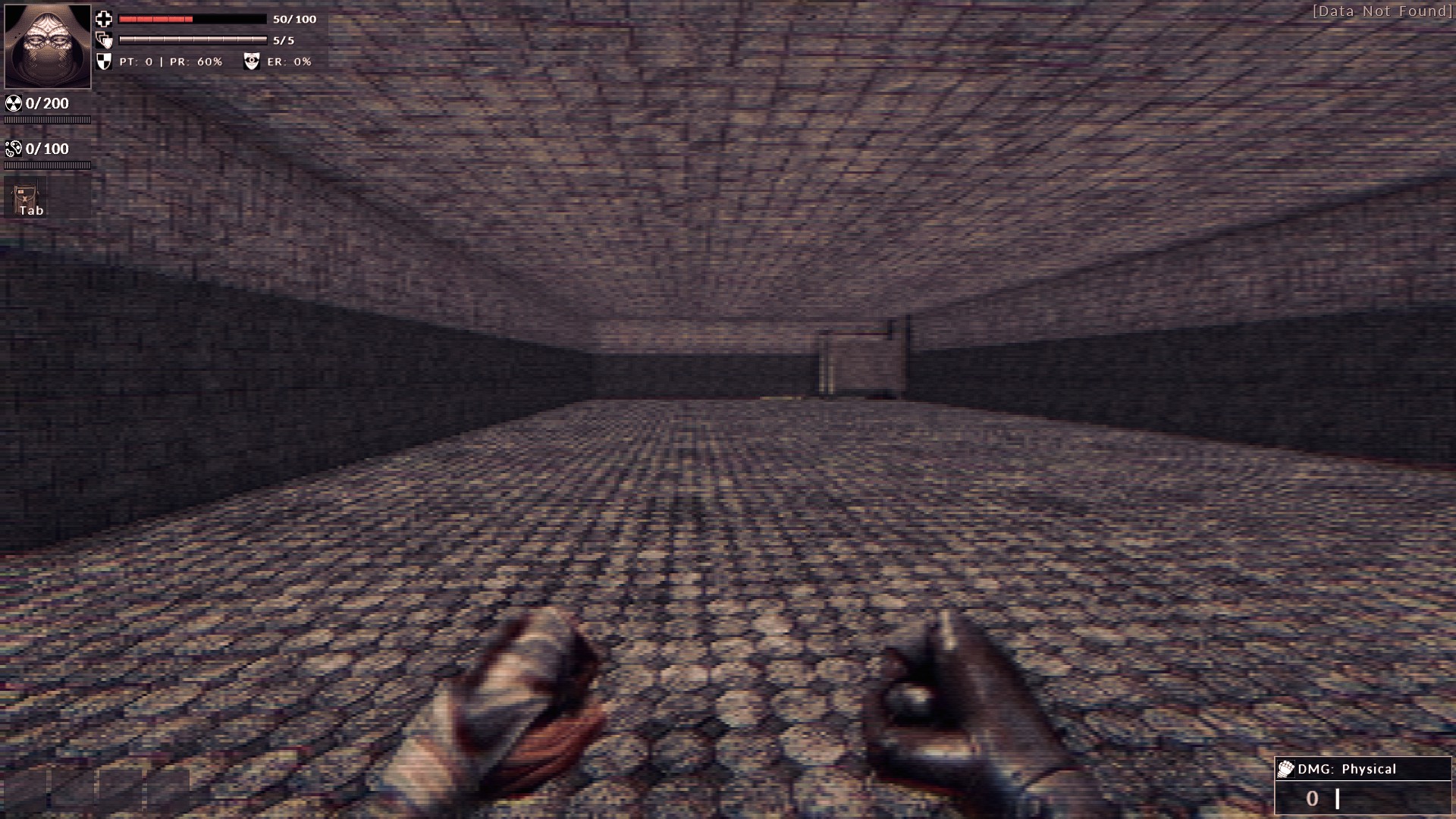
The story is set in a surreal, decaying post-apocalyptic universe steeped in cosmic horror, occultism, and subtle biomechanical elements. The game embraces a recognizable late-90s retro aesthetic—low-resolution textures and low-poly models—elevated by dynamic lighting and "glitch" effects that contribute brilliantly to the psychedelic atmosphere. It stands as one of the most visually striking shooters, and games in general.
Beyond the horror atmosphere cultivated through visual effects, deliberate enemy placement, and an eerie soundscape, the sense of dread and terror is driven directly through gameplay. Resources are strictly scarce, ammo is handed out only as much as is bare minimum, and every single bullet matters. Furthermore, inventory space is initially capped at 4 items, introducing a micro-management layer since you simply cannot hoard everything.
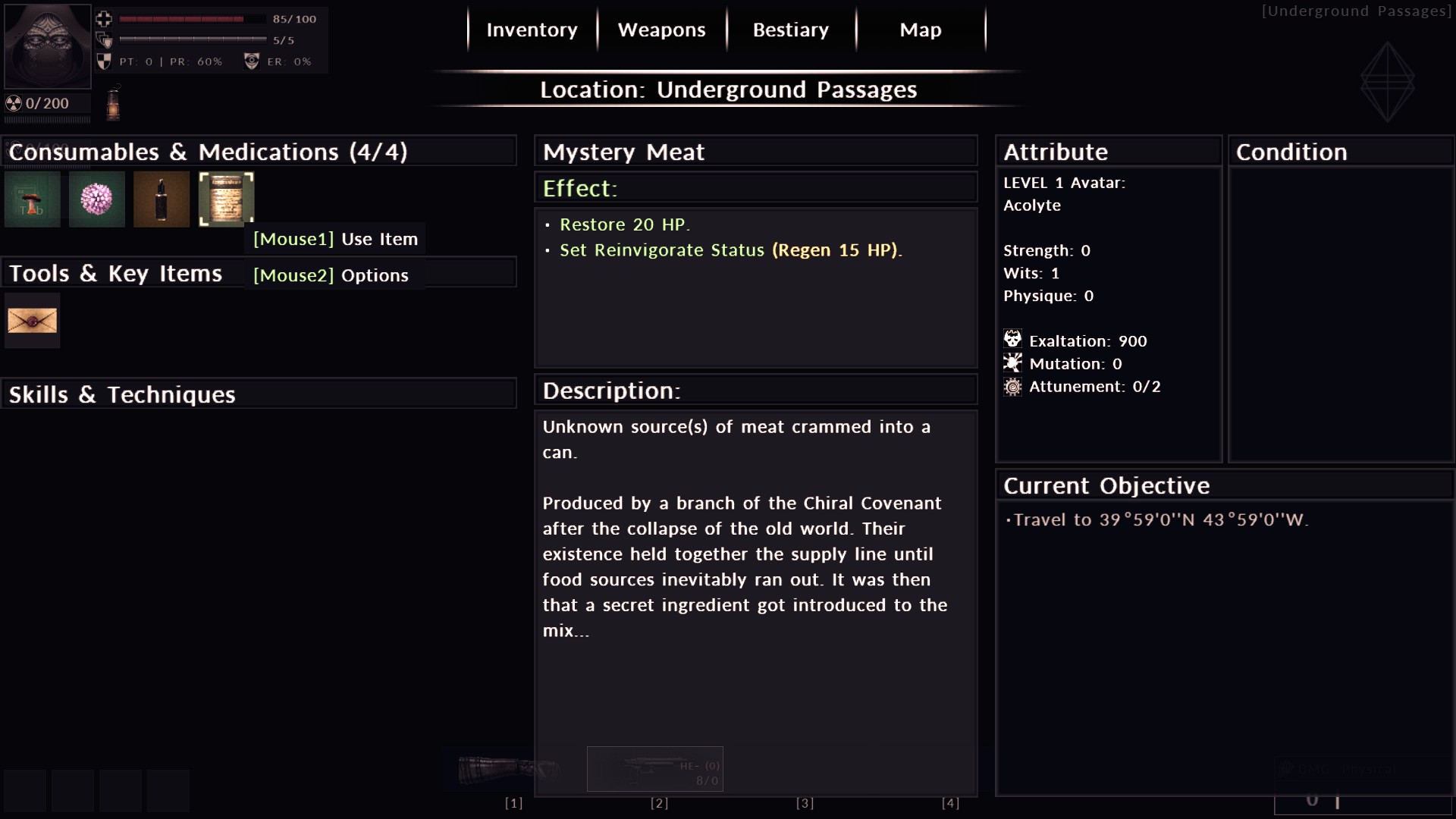
Combat itself is somewhat paradoxical: on one hand, you have access to a broad arsenal with substantial modifications, while on the other, resources are tight and each weapon has durability, requiring constant repairs. The enemies, however, are a story of their own; every archetype I encountered boasts an intensely grotesque, memorable visual design alongside tense, unique mechanics that inject plenty of fresh challenge into the experience.
Still, given the game's Doom roots, several hallmarks of the 90s remain—such as hidden rooms and small spatial puzzles—and for the most dedicated players, encounters with the Meso-Divinities: optional elite bosses who punish mistakes ruthlessly and extract a heavy toll.
It is also worth noting that the narrative approach is likely quite different from what one might expect. Not every character you meet is mere target practice, and not everything wants you dead—at least not right away. As the developers themselves put it: "when you stare into the abyss here, the abyss mostly grins back at you maniacally and mockingly." Sadly, the lead writer tragically passed away, but the rest of the team continued working tirelessly to deliver this wholly unique experience.
Which brings us to my closing words—not merely a recommendation, but a plea: if any of this sounds even remotely appealing to you, wishlist the game today, and on October 27th, set everything else aside and give Divine Frequency a chance.
This is definitely not just another nostalgic homage to nineties shooters cashing in on cheap retro trends, but an extraordinarily bold, dark hybrid that took the foundations of a classic and built something authentically its own—a project radiating sheer dedication, despite all the arduous circumstances the development team endured.
And as for my initial skepticism toward demos? What I experienced in just over an hour spent with it convinced me that, with all these strong elements in place, I cannot see how this could fail. A day-one purchase for me.

Discussion(0)