“Nvidia has officially announced DLSS 5, a new version of its AI rendering technology that the company claims is its biggest advancement since the introduction of real-time ray tracing.”
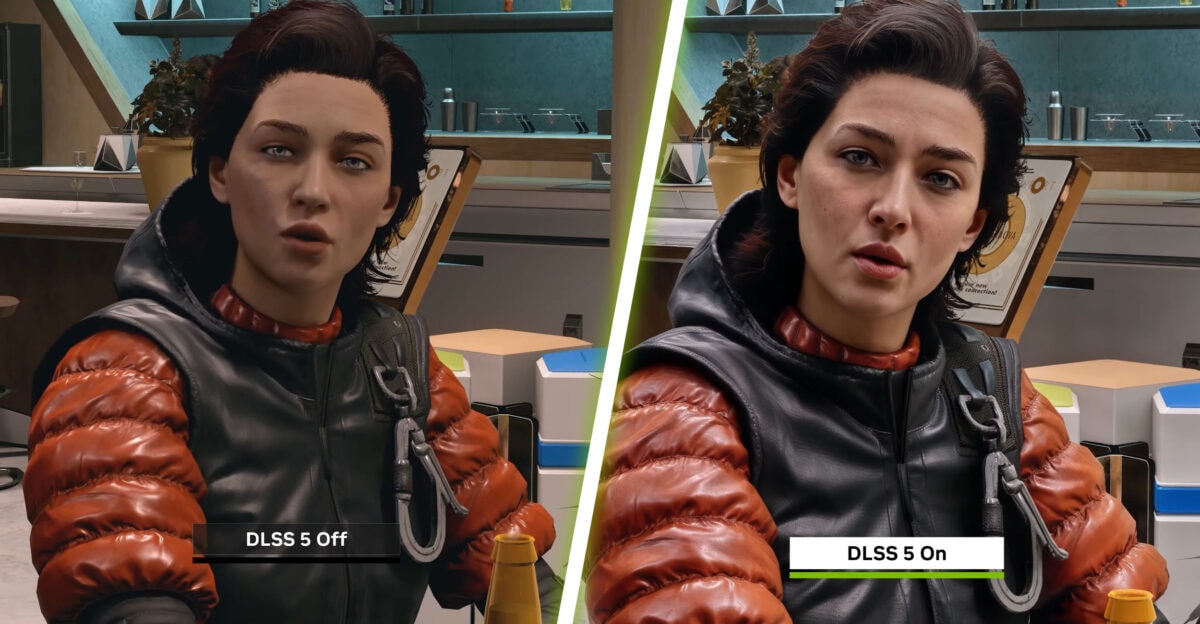
A new demonstration video shows the technology running in titles like Resident Evil Requiem and Starfield, showcasing what Nvidia calls a "real-time neural rendering model." The goal of this update is to close the gap between game graphics and high-end film effects.
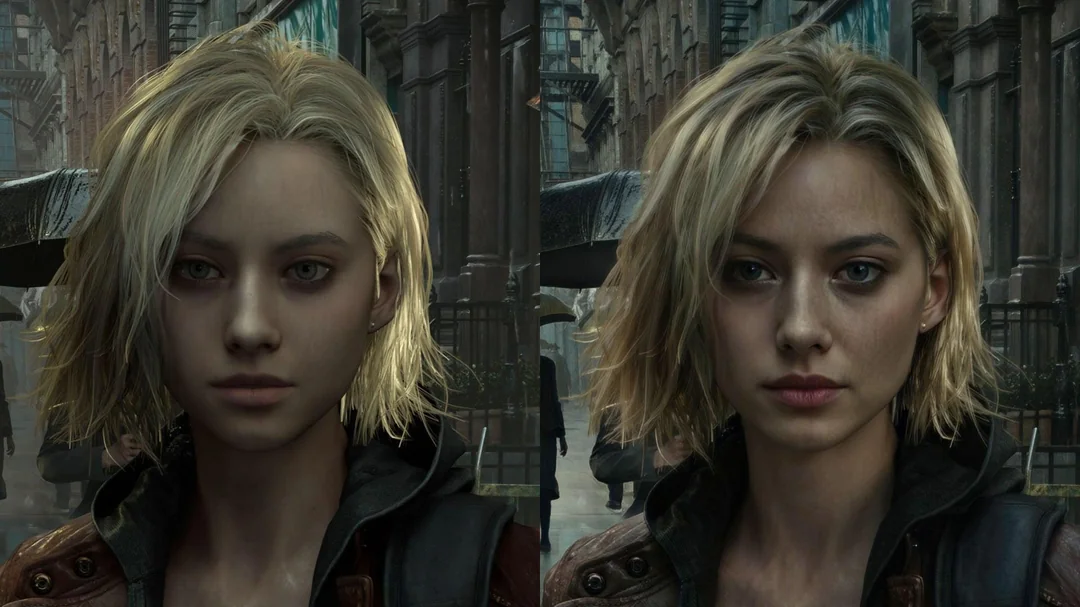
Unlike previous versions of DLSS that focused primarily on improving frame rates, DLSS 5 uses a generative AI model to modify the actual appearance of characters and environments. It analyzes individual frames to change how light interacts with specific materials, such as skin, hair, and fabric. Nvidia says this allows developers to achieve a level of photorealism previously only possible in Hollywood productions.
However, the initial reaction from the gaming community has been largely negative. Many viewers have pointed out that the AI often makes characters look "uncanny" or unrecognizable. In the Resident Evil Requiem demo, for example, the protagonist looks like a completely different person, leading some critics to compare the effect to a heavy Instagram filter. On YouTube, the reveal video currently has more dislikes than likes, with some commenters labeling the technology a "slopfilter" that ignores the original artistic intent of the game.
Despite the public skepticism, several major game studios are already on board. Todd Howard from Bethesda mentioned that seeing DLSS 5 in Starfield was a significant step forward for the game's visuals. Similarly, Ubisoft noted that the technology helps them build the types of detailed worlds they have always envisioned. Capcom also expressed support, though they did not directly address the drastic changes made to their character designs in the demo.
DLSS 5 is expected to launch this fall. It will be supported by a long list of titles, including Assassin’s Creed Shadows, Hogwarts Legacy, and the upcoming remaster of The Elder Scrolls IV: Oblivion. For now, the main concern for players is whether this new level of detail will require a major hardware upgrade.
Hi, name's Miloš, I’ve been leveling up in gaming since childhood, diving headfirst into worlds where survival isn’t guaranteed and every choice matters. Sci-fi, horror, and survival games are my playgrounds, and I bring that passion to every article I write. Whether it’s breaking down the latest releases, uncovering hidden mechanics, or sharing strategies, I’m here to keep gamers informed, entertained, and ready for the next challenge. Gaming isn’t just what I play—it’s how I see the world.



Discussion(0)