
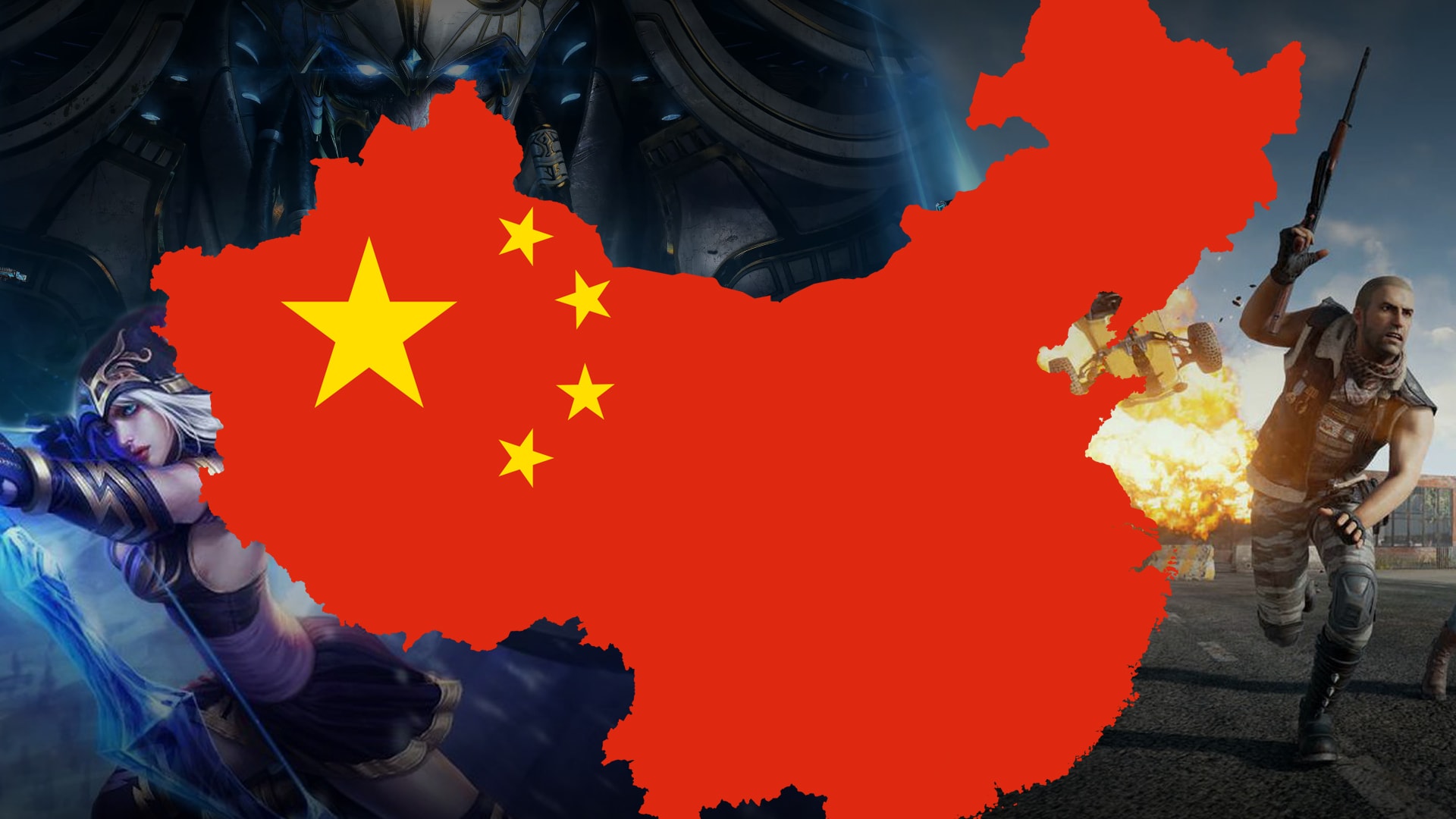

The rapid convergence of advanced artificial intelligence, relentless technical innovation, and a strategic embrace of traditional heritage has propelled China’s gaming industry to the forefront of the global digital economy. According to a recent China Daily editorial, this "trinity of growth" is transforming Chinese-developed titles from simple entertainment products into sophisticated vehicles for international cultural exchange and soft power.
The sector's expansion is underpinned by a significant technological leap, particularly in the realm of generative AI. Chinese developers are no longer merely following international trends but are setting new standards for efficiency and immersion. By integrating AI-driven tools into the creative pipeline, studios have drastically reduced the time required for complex 3D modeling and asset generation, allowing for more ambitious world-building. These advancements have allowed Chinese firms to claim a staggering 35% share of the global user acquisition market, leveraging data-driven strategies to reach diverse audiences across more than 100 countries.
This technical prowess is being paired with a "cultural-outreach" strategy that prioritizes authentic storytelling. Unlike previous generations of software that relied on generic themes, current blockbusters are deeply rooted in Chinese history and philosophy. These games function as "digital cultural carriers," translating ancient narratives—such as those found in Black Myth: Wukong, into a modern, interactive language that resonates with players regardless of their geographical background. This shift has successfully repositioned Chinese gaming as a bridge for cross-cultural understanding rather than just a commercial export.
The financial results of this strategic pivot are substantial. Domestic industry revenue reached a record 325 billion yuan ($46.8 billion) in 2024, providing a stable foundation for aggressive international expansion. Overseas sales of self-developed titles reached $9.5 billion in the first half of 2025 alone, representing an 11% year-on-year increase. This growth is bolstered by a supportive domestic policy environment that treats the digital gaming ecosystem as a vital component of the nation’s broader digital trade strategy.
As the industry continues to evolve, the editorial suggests that the synergy between high-tech R&D and traditional arts, ranging from classical music to fine literature, will remain the cornerstone of China’s competitiveness. By merging the efficiency of AI with the depth of a 5,000-year-old heritage, Chinese developers are carving out a unique and increasingly dominant niche in the global entertainment landscape.

Discussion(0)