

Exec Summary
Passes are a versatile feature effective for monetization, but also for engagement and retention. They serve as the connective tissue in modern live-service games, providing players with a constant sense of direction. By offering high perceived value for a relatively low entry price ($10), they act as the primary conversion tool to turn non-paying players into recurring customers.
The model relies on monetizing time rather than just content. Unlike a direct store purchase, a Battle Pass is a "contract" for future effort. By locking rewards behind a progression system, developers ensure that players remain active within the ecosystem to maximize their ROI (Return on Investment). This boosts key metrics like DAU (Daily Active Users) and MAU (Monthly Active Users), which are critical for the game’s long-term valuation.
Psychological levers like loss aversion and the sunk cost fallacy drive the completion rate. Once a player purchases a pass, they feel a psychological obligation to "finish" it to get their money's worth. This transforms the game from a leisure activity into a daily habit, and for the most dedicated players, it can feel like a "second job" with mandatory deadlines.
High conversion rates come at the cost of potential revenue cannibalization. A high-value Pass can devalue individual items in the premium shop. If the Pass is too generous, it may damage the spending depth of high-value players (whales). Developers must use sophisticated upsell strategies, such as "tier skips" and "currency loops," to maintain a healthy economy.
The strategic shift: from predatory luck to predictable labor
The gaming industry’s transition from loot boxes to Battle Passes was not just a response to government regulations; it was a fundamental evolution in monetization theory. In 2017, the industry hit a breaking point with titles like Star Wars Battlefront II, where randomized progression was labeled as predatory. Loot boxes relied on variable ratio reinforcement—the same psychological trigger used in slot machines—which, while highly profitable, created a massive "trust deficit" between players and developers.
The Battle Pass solved this by offering transparency. In a Battle Pass system, the player knows exactly what they are getting and when they are getting it. This transparency lowers the barrier to entry significantly. The developer is no longer selling a "chance" at a skin; they are selling a progression path. This shift from a "gambling" model to a "labor" model has stabilized the revenue streams of the biggest games in the world, from Fortnite to Call of Duty. It moved the focus from "extraction" (taking as much money as possible from a few people) to "engagement" (getting a small amount of money from as many people as possible over a long period).
The $10 entry fee
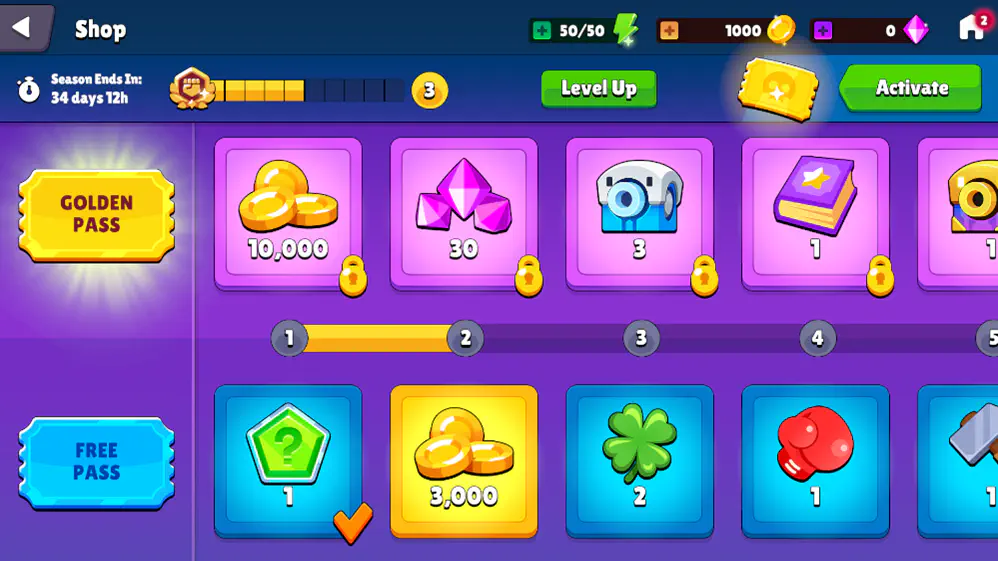
The almost universal $10 price point (usually 1000 units of premium currency) for a premium Battle Pass is one of the most successful psychological anchors in digital commerce. In behavioral economics, $10 is the "sweet spot"—it is high enough to feel like a significant purchase that grants "premium status," but low enough that it doesn't require a complex decision-making process.
However, the primary goal of the $10 pass isn't the immediate revenue. It is the conversion of the player's identity. Once a player spends money, even a small amount, they are statistically much more likely to spend again. The Battle Pass serves as a "gateway purchase" that brings the player into the game's economy. Furthermore, developers often use "unplayed value" as a lure. By showing the player how much they would have earned if they had the premium version (often valued at $150 or more), the $10 price tag appears to be an incredible bargain, forcing an impulse buy based on perceived value.
The anatomy of a reward track
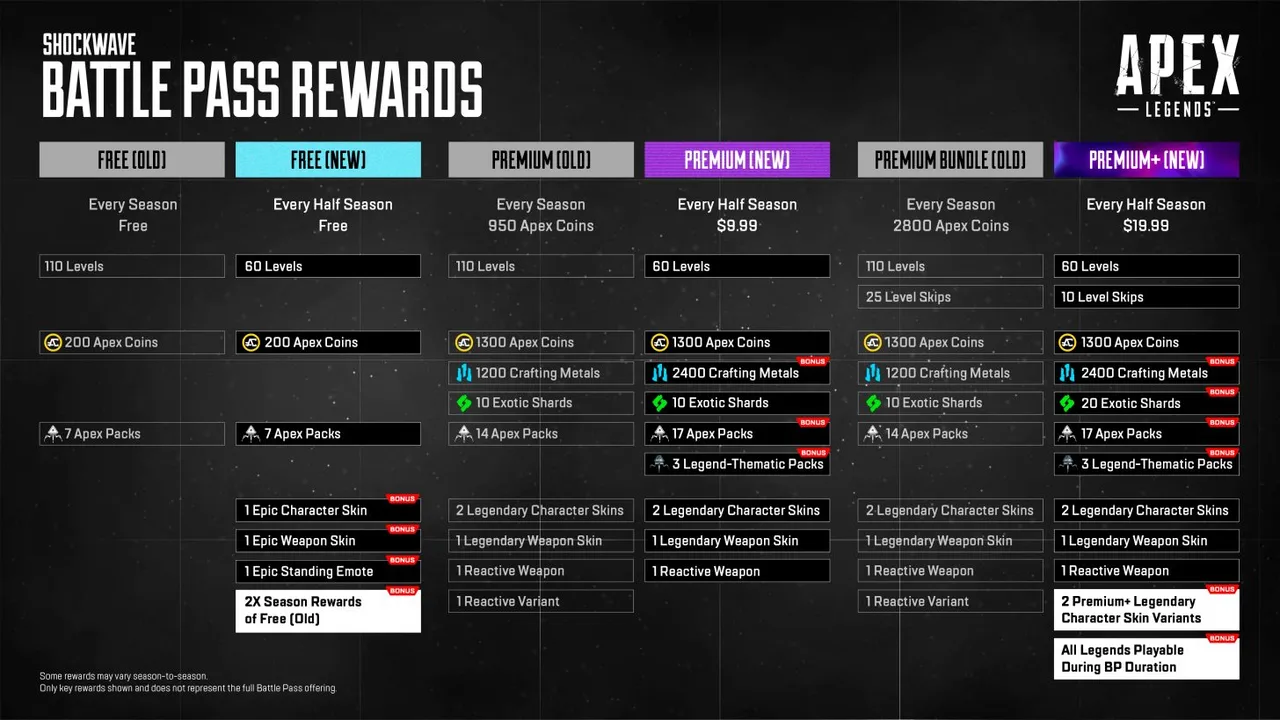
The Hook (Tier 1): Usually includes a high-quality character skin to provide immediate gratification and justify the initial $10.
The Fillers (Tiers 2-90): These are low-cost assets like stickers, emotes, banners, and charms. Their purpose is to fill the space and provide a constant "hit" of progress every 30-60 minutes of play.
The Chasers (Tier 100): The most prestigious item in the pass, often with "reactive" effects or unique animations. This is the ultimate goal that keeps players grinding in the final weeks of a season.
The Currency Nodes: Strategically placed "premium currency" rewards. These are crucial because they keep the player's "wallet" active. If a player earns 800 currency, they are only 200 away from a shop item, which often leads to a second purchase.
The psychology of retention
The true power of the Battle Pass lies in how it manipulates a player's relationship with time. It uses several sophisticated psychological triggers to ensure the game remains a daily habit.
1. Loss aversion and the premium track Psychologically, the fear of losing something is twice as powerful as the joy of gaining something. By showing players the "locked" rewards on the premium track, developers trigger a sense of loss. A player who reaches level 50 on the free track sees ten "locked" premium items they have technically already "earned" through their time. Buying the pass feels less like an expense and more like "claiming" what they already own.
2. The sunk cost fallacy As the season progresses, the pressure to play increases. If a player is at level 80 with only one week left in the season, they are highly likely to play for hours—or spend money on "tier skips"—to finish the pass. They don't want the initial $10 and the dozens of hours already spent to be "wasted." This exploits the player's fear of missing out (FOMO) on an item that is marketed as "exclusive" and will likely never return to the game.
3. The Zeigarnik effect This psychological phenomenon states that people remember uncompleted or interrupted tasks better than completed ones. A Battle Pass is essentially a massive list of uncompleted tasks. Every time a player logs out, their brain is still "tracking" the remaining 20 levels. This mental tension can only be resolved by returning to the game, creating a powerful "pull" factor.
4. Endowed progress Many passes now start players with a few "free" tiers or very easy early levels. Research shows that people are more likely to complete a task if they feel they have already made a start. By giving a player a "head start," developers increase the likelihood that the player will commit to the full journey.
The monetization paradox
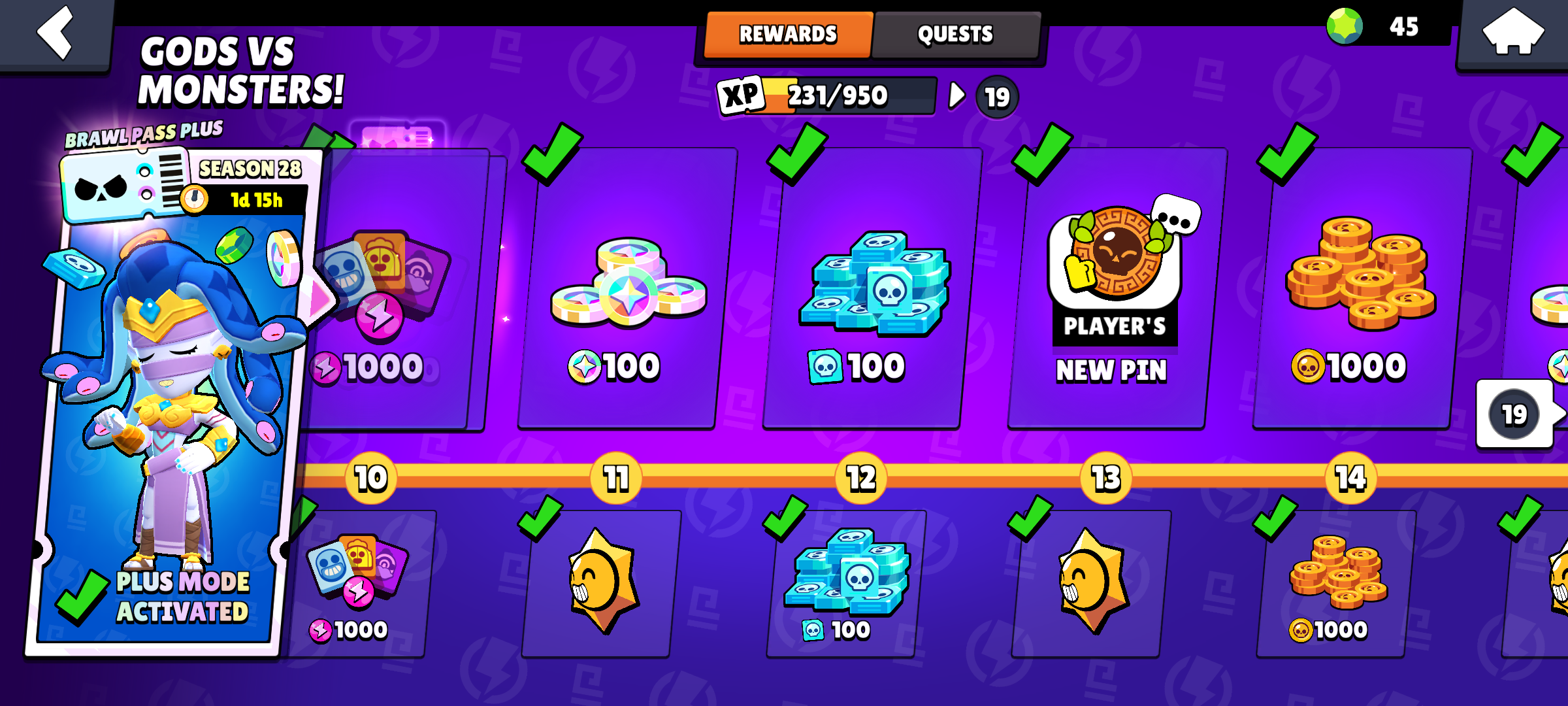
A major concern for game economists is "value density." If a Battle Pass contains four high-quality character skins, five weapon wraps, and 1,000 units of currency, the "price per item" drops to a few cents. This creates a risk of cannibalization. If the Battle Pass is too good, players may stop buying individual items in the shop because they feel "fully equipped" by the pass alone.
To counter this, developers have developed sophisticated "upsell" strategies:
Currency loops: Giving back just enough currency to buy the next pass, keeping the player in the ecosystem but not giving them enough to buy high-end shop items for free.
Exclusivity tiers: Reserving "Mythic" or "Ultimate" skins for the direct-purchase shop or extremely expensive bundles (costing $50+), ensuring the Battle Pass remains a "mid-tier" luxury.
Progression-linked shop offers: Using algorithms to show players shop items that "match" the theme or characters in the Battle Pass they are currently progressing through.
The mathematical balance
The success of a Battle Pass depends on its "pacing." Developers use complex data science and cohort analysis to track the average "Time to Completion" (TTC). This is a delicate balancing act. If the pass is too short, "hardcore" players finish it in a week and experience a "content drought," leading them to play other games. If it is too long or "grindy," casual players feel overwhelmed and "churn" (quit) early.
The modern solution is XP Throttling and Daily Challenges. Instead of allowing players to earn XP linearly by just playing, developers gate progress behind daily and weekly challenges. This forces the player to log in frequently over a 90-day period rather than "binging" the content in one weekend. This consistent login behavior is exactly what publishers look for; it proves the game has a "sticky" audience, which is a key metric for investors.
Furthermore, many developers use "Dynamic XP" systems. If the data shows that 70% of the player base is lagging behind the expected progress curve, the developer will suddenly announce a "Double XP Weekend" to push everyone back toward the target completion rate. This ensures that the majority of players feel "successful" enough to buy the next season's pass.
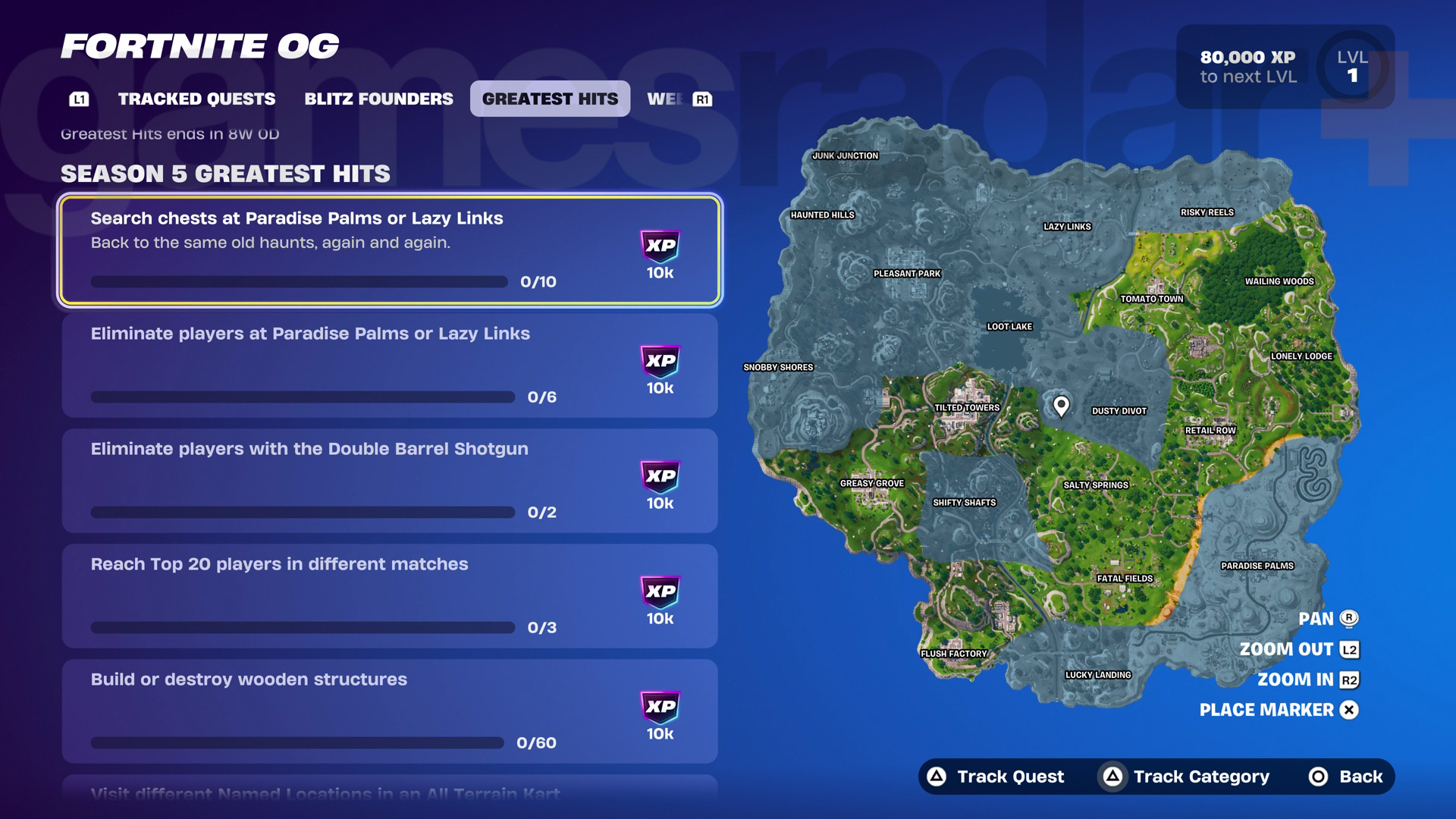
Level design and the "challenge meta"
The Battle Pass fundamentally changes how games are designed. Map layouts and weapon balancing are often tweaked to facilitate specific Battle Pass challenges. For example:
Map Hotspots: If a challenge requires "10 kills in a specific building," that building will see a massive spike in traffic, effectively changing the flow of the entire match.
Weapon Meta: Developers may temporarily buff a certain weapon type (e.g., shotguns) during a week where many Battle Pass challenges require shotgun kills.
Quest-based design: Some games, like Fortnite, have integrated the Battle Pass directly into the map’s narrative, requiring players to visit specific landmarks to unlock lore and rewards. This turns the environment into a series of "monetized objectives."
The saturation point: battle pass fatigue and the zero-sum game for time
In 2026, we have reached a point of "Battle Pass Saturation." While a player might be willing to spend $50 across five different games, they physically do not have the time to finish five different Battle Passes. Each pass requires anywhere from 70 to 150 hours to complete.
This has turned the industry into a zero-sum game for time. If a player commits to the Fortnite pass, they are effectively "unavailable" to Apex Legends or Warzone for that season. This is leading to "subscription fatigue," where players are starting to resent the "mandatory" nature of these systems. This fatigue is forcing a new trend: The Player-Centric Pass.
Case studies: different approaches to the model
Fortnite (The Pacing Master): Epic Games perfected the seasonal cadence. By linking the Battle Pass to massive "Live Events," they create a cultural moment. The Pass isn't just content; it’s a ticket to a story.
Halo Infinite (The Learning Curve): At launch, Halo’s progression was so slow it caused a player revolt. They eventually moved to "Non-expiring Passes," which allowed players to buy a pass and finish it years later. This was a direct response to player fatigue.
Dota 2 (The Compendium): One of the first models to use "Crowdfunded Prizepools." A portion of every pass sold went into the prize pool for The International, giving players a sense of altruistic contribution to the professional scene.
Helldivers 2 (The New Paradigm): They use "Warbonds," which are passes that never expire and can be unlocked with currency found in the game itself. This is seen as the most "pro-player" version of the model in the current market.
Conclusion
The Battle Pass is the ultimate tool for the "Games as a Service" (GaaS) era. It successfully combines monetization with engagement, creating a loop where the player feels rewarded for their time while the developer enjoys a predictable revenue stream. It has effectively ended the era of "splitting the player base" with paid map packs, ensuring that everyone can play together while cosmetic spending funds the game.
However, as we look toward the future, the "grind" is becoming a significant point of friction. Players are beginning to demand more respect for their time. The future of the Battle Pass will likely move away from strict FOMO-based deadlines and toward more flexible, non-expiring systems. The goal for developers in 2026 and beyond is no longer just to take the player's money—it is to capture their routine in a way that feels rewarding rather than burdensome. For the player, the question remains: are you playing for the fun of the game, or are you just working to finish your contract?

Discussion(0)