
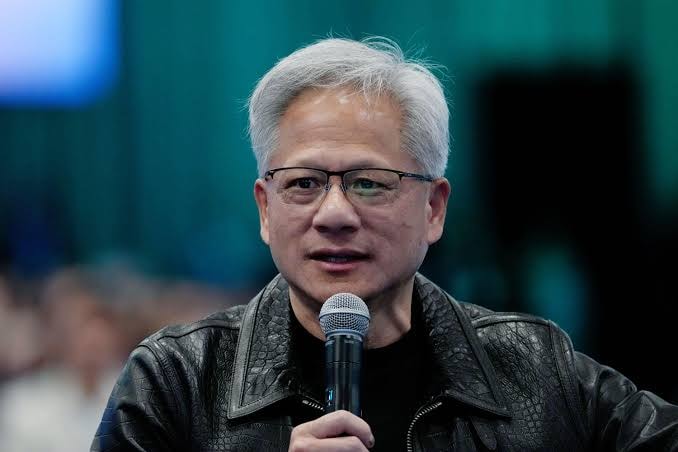
Nvidia CEO Jensen Huang has strongly rejected claims that artificial intelligence could lead to humanity’s extinction within the next decade, describing such warnings as “doomsday narratives” and irresponsible fearmongering.
“2030 is not going to be the end of the world. There’s a zero percent chance that’s going to be the end of the world,” Huang said in an interview with CBS News, arguing that frightening the public with such predictions is unnecessary and irresponsible.
Warnings from AI researchers about the technology’s potential risks have intensified in recent weeks, fueling a broader debate over artificial intelligence safety.
The discussion gained further attention following social media posts from former AI researcher Jacob Coxon, who claimed that some researchers believe the technology could “kill all of us by the end of the decade.”
The growing concerns have also prompted senior figures at companies including Anthropic and OpenAI to call for a slower and more cautious approach to the development of increasingly powerful AI models.
Huang, however, argued that such predictions are “not grounded in science” and said Nvidia itself has a strong business incentive to ensure that artificial intelligence is developed and used responsibly.
“Our company’s success is directly related to the safe use of our products and services. If we don’t continue to do that, our value will decline,” Huang said.
The Nvidia chief also suggested that companies publicly calling for tighter controls or a slowdown in AI development may, in some cases, actually be seeking protection from legal liability for potential harm caused by their products.
“Read between the lines. They’re not really asking for more laws. They’re asking to be exempted from the laws that we already have, and I think that’s a problem,” Huang warned.
Nvidia remains one of the most influential companies in the artificial intelligence industry, largely because its advanced GPUs and AI chips provide the computing infrastructure used to train and run many of today’s most powerful AI models.

Discussion(0)