

Out of nowhere, a group of people in California decided Meta and YouTube didn’t do enough to protect young users. Their decision wraps up a courtroom battle never seen before. Money changed hands - three million dollars went to someone just turning twenty. She claimed constant scrolling since childhood wrecked her inner peace, trapping her in endless screen reliance. Not once did she say they meant harm, only that warnings were missing when it mattered most.
After sitting for over forty hours across nine days, they reached a conclusion. Not just one but both tech giants - Meta, which runs Instagram, plus Google’s YouTube - fell short in how they built and managed their sites. What sealed it for the jurors was seeing that these flaws played a major role in hurting someone known legally as KGM, called Kaley in court files. This outcome turns heads because evidence showed company leaders understood risks to young users, still did little to alert anyone.
Payouts may start at 3 million dollars, yet what comes next could cost those tech firms far more. Intent, oppression, or fraud - that’s what the jury signed off on, opening another chapter in court. Back they’ll come, jurors gathering once again, listening closely before setting the weight of extra penalties. How heavy those fines get? That part waits just around the corner.
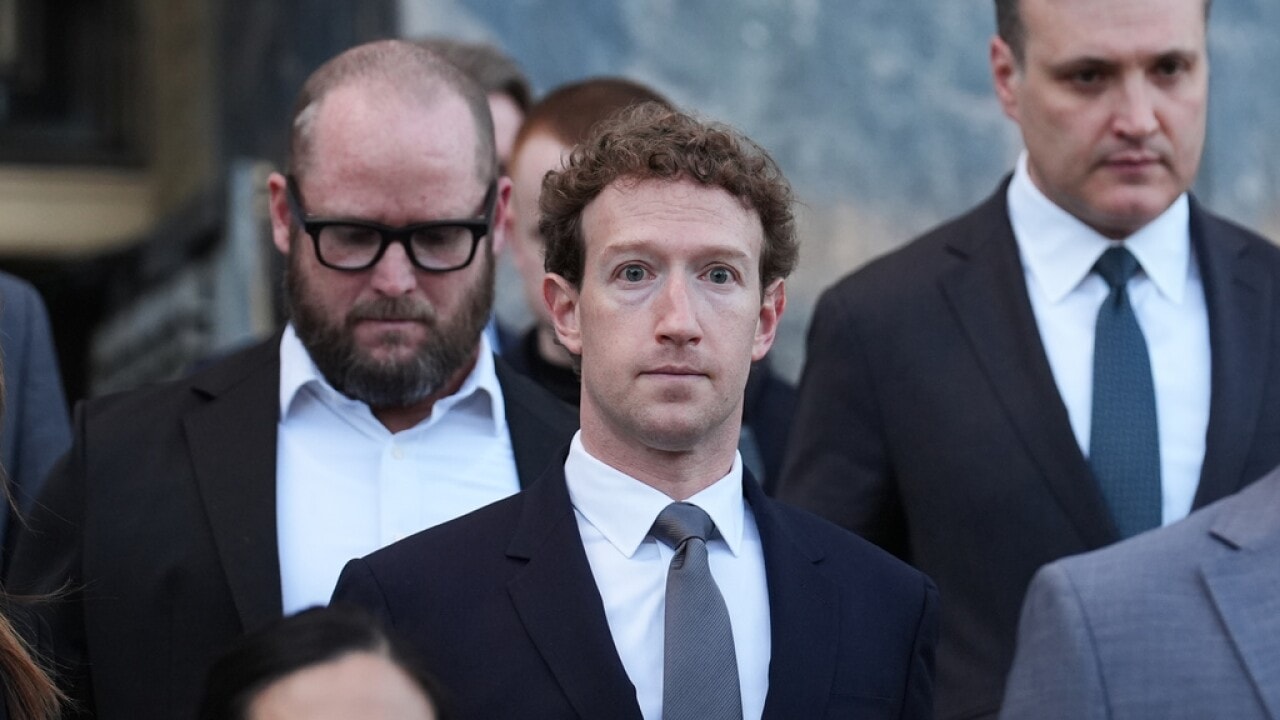
Seventy percent of the blame went to Meta, while thirty landed on YouTube - a subsidiary of Google - after jurors divided fault for the harm done. Before court opened, TikTok and Snap had already settled, leaving just those two tech giants facing claims. Testimony arrived through big names: Mark Zuckerberg took the witness chair, as did Instagram’s Adam Mosseri. Standing absent? Neal Mohan, who runs YouTube.
Little more than a child when she first signed on, the girl started using YouTube at age six, then Instagram by nine. Most of her early years unfolded behind screens, time shaped by app designs, according to her lawyers. Standing firm in court, Mark Lanier pointed fingers at built-in tools like endless scrolling, videos that play without asking, alerts popping nonstop - features said to grab kids’ attention and never let go. Each trick pulled together on purpose, creating a loop hard to step away from.
Out on their own, the defense tried shifting focus away from the apps by pointing at the plaintiff’s past. Family chaos, Meta claimed, shaped Kaley’s struggles more than any screen time ever could. Not one therapist who worked with her called social media the main driver behind her pain. Still, blame doesn’t need to rest solely on something for it to matter under law. A major role was enough - not total responsibility - for the case to hold ground.
It quickly became clear the courtroom leaned heavily on Section 230, part of an older internet law shielding platforms from user-generated material. Instead of dwelling on what clips Kaley watched, jurors were told to look at how the app itself functioned beneath the surface. The structure mattered more than individual moments. YouTube argued it worked like broadcast media - closer to cable channels than friend-based networks. Over time, her activity slowed, a detail highlighted without drama.
This case acts like an early signal, showing what could happen in many other lawsuits waiting over social media firms. Because outcomes here may shape those later ones. Experts say these legal fights echo past crackdowns on tobacco and opioids. Not so different now, some argue, when it comes to holding big tech answerable. Changes might come whether the industry likes it or not.
What happened in court might just mark a shift few saw coming. Laura Marquez-Garrett, speaking for the Social Media Victims Law Center, called it a milestone - not because of money awarded but due to what came out. Hidden files from Meta and Google are now visible to everyone. These companies placed earnings ahead of young users’ well-being, she said, treating apps like risky gadgets slipped past safety checks. With more cases lined up next year, eyes stay fixed on tech's part in worsening mental health among teens worldwide.

Discussion(0)