
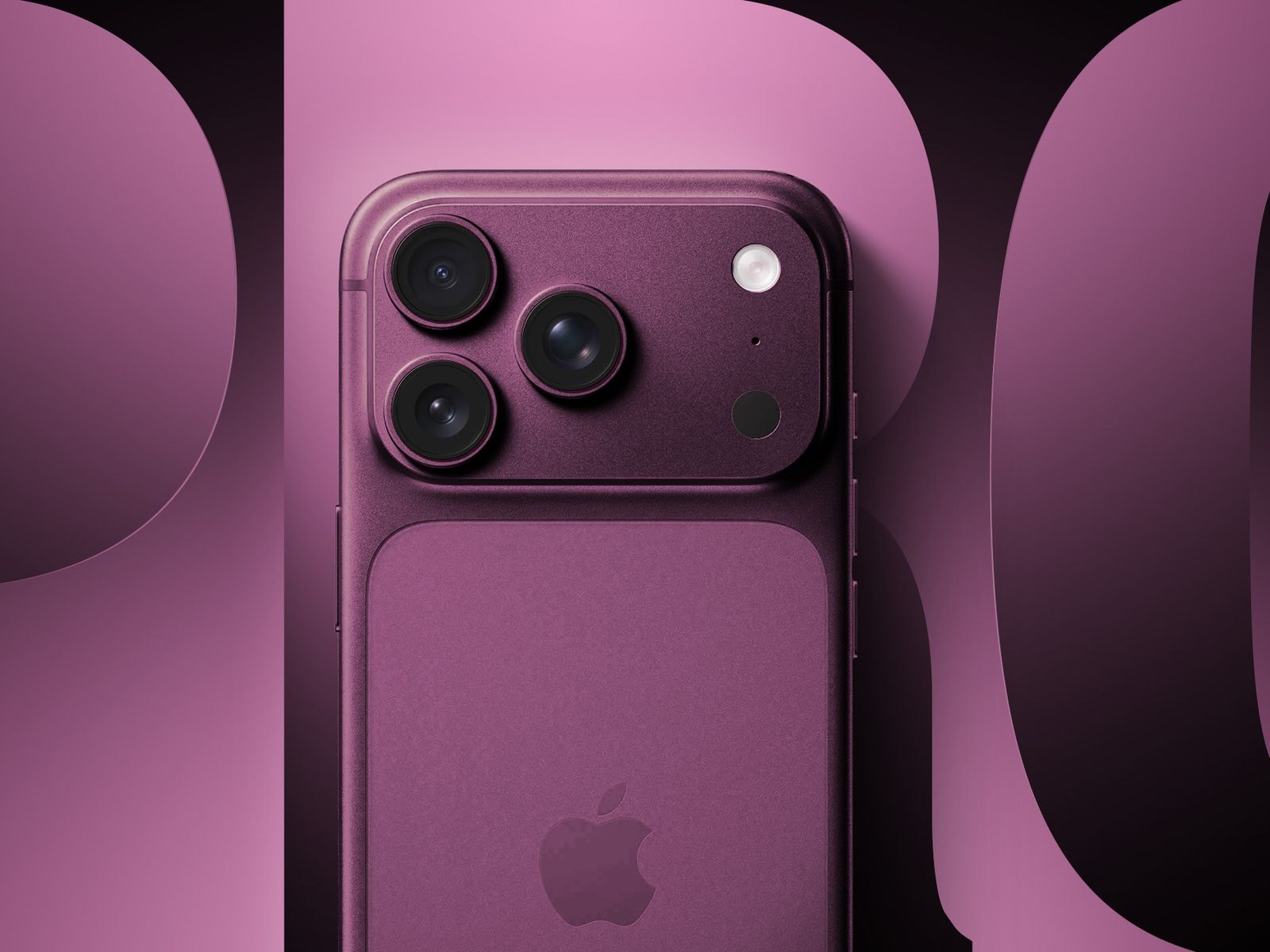

Apple has reportedly asked some of its suppliers to reduce component production for the iPhone 18 Pro and iPhone 18 Pro Max, as higher prices and soaring memory chip costs appear to be weighing on consumer demand.
According to Nikkei Asia, citing multiple sources familiar with the matter, Apple's component orders for October have been reduced by at least 15% compared to the company's original projections.
The reported cuts come shortly after Apple introduced its latest premium smartphones with higher starting prices. The iPhone 18 Pro starts at $1,199, while the iPhone 18 Pro Max begins at $1,299. Both models are $100 more expensive than their predecessors.
Rising memory prices put pressure on Apple
One of the main factors behind the price increases is the sharp rise in memory chip costs. As technology companies continue expanding artificial intelligence data centers, demand for memory chips has surged, putting pressure on global supplies and driving up prices.
In August, market research firm TrendForce estimated that components for the 256GB iPhone 18 Pro were approximately 38% more expensive than those used in the previous generation, largely due to rising memory costs.
Apple had already increased prices for several Mac and iPad models in June, signaling that the company could no longer fully absorb the growing cost of components.
The situation highlights how the rapid expansion of AI infrastructure is affecting the broader consumer electronics market, with smartphone and computer manufacturers competing for increasingly expensive memory supplies.
Apple's new iPhone release strategy may also affect demand
Nikkei Asia also suggests that weaker demand could be partly related to Apple's decision to change its traditional iPhone release schedule.
Unlike previous years, Apple has split the launch of its latest smartphone lineup into separate periods. The standard iPhone 18 and the next-generation iPhone Air are expected to arrive in early 2027, rather than alongside the Pro models.
Meanwhile, Apple's first foldable smartphone, the iPhone Duo, is scheduled to go on sale on October 23 with a starting price of $1,999, making it the company's most expensive iPhone to date.
The revised launch strategy could be influencing purchasing decisions, as some consumers may prefer to wait for more affordable models or Apple's new foldable device before upgrading.
Apple shares fall following the Report
Apple shares dropped more than 2.5% in early trading following the publication of Nikkei Asia's report, reflecting investor concerns about weaker-than-expected demand for the company's flagship smartphones.
However, reduced component orders do not necessarily translate directly into an equivalent decline in iPhone sales, as production adjustments can also reflect inventory management and changes in supply-chain planning.
Apple has not officially confirmed the reported production cuts.
The coming months will provide a clearer picture of whether the higher prices are causing a lasting slowdown in demand or whether the latest adjustments are simply part of Apple's broader production strategy.

Discussion(0)